Have you ever ventured out to the garden in spring and tried to recall what thrived in that particular bed last year: the name of the variety, the sowing date, when it started flowering? Or why has that section consistently had a slug issue every August?
Memory can be faulty. Six months is a considerable span, and the specifics that seem clear in July can be quite difficult to reassemble the following March when you’re perusing seed catalogs.
Maintaining a garden journal is one habit I would suggest to any gardener, whether you’re entering your first season or your fourteenth. It doesn’t have to be intricate. What’s crucial is capturing the details whilst they’re fresh, so you have tangible information to rely on for future planning.
Here’s a guide on how to initiate one, what to include, and how to truly keep up with it.
As an Amazon associate, I earn a commission from eligible purchases at no extra cost to you. My blog also presents other affiliate links for your convenience. Click here to view my privacy policy.
What Is Garden Journaling?
A garden journal is merely a focused record of the occurrences in your garden: what you plant, when you plant it, how it flourishes, the weather patterns, the pests that emerge, and what you would alter in the future. It can reside in a notebook, a binder, a digital application, or a combination thereof.
The format is not as important as the routine. A journal that you actually engage with is far more valuable than a beautifully crafted one that gathers dust. I utilize a three-ring binder with printed sheets filled with empty seed packets and plant labels. This approach works for me as it’s easy to access, adaptable, and compiles everything in one spot.
Your entries can be as concise as a few sentences or as comprehensive as you desire. What you are creating is a resource that becomes increasingly valuable with each season.
A Brief note on my garden
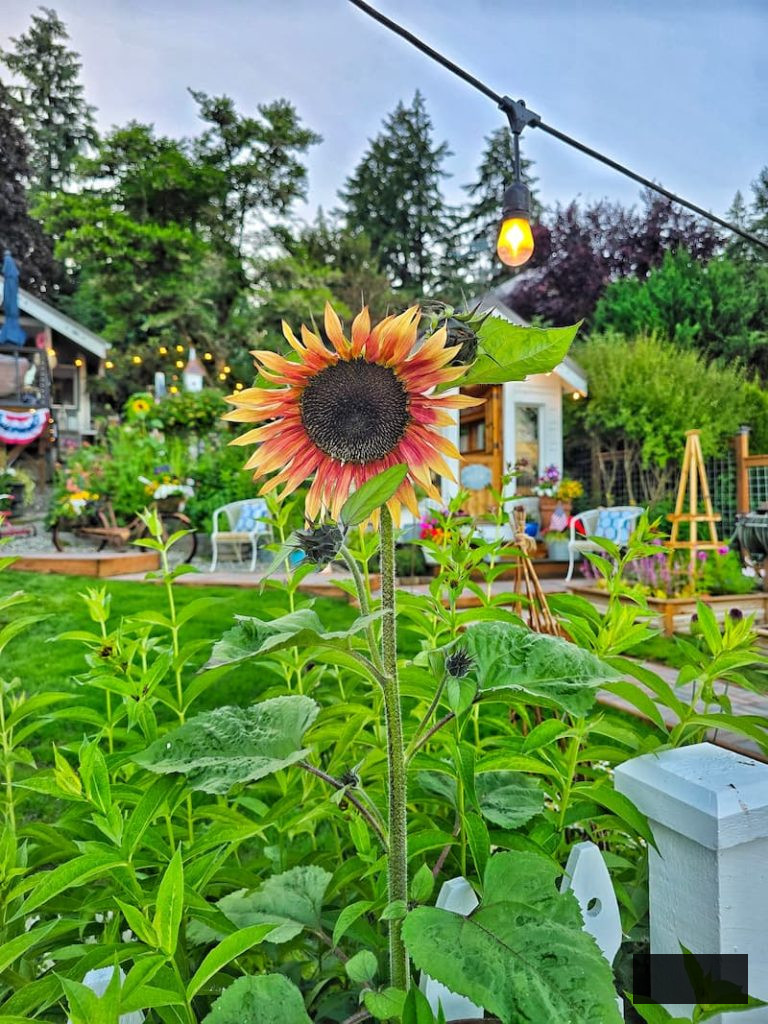
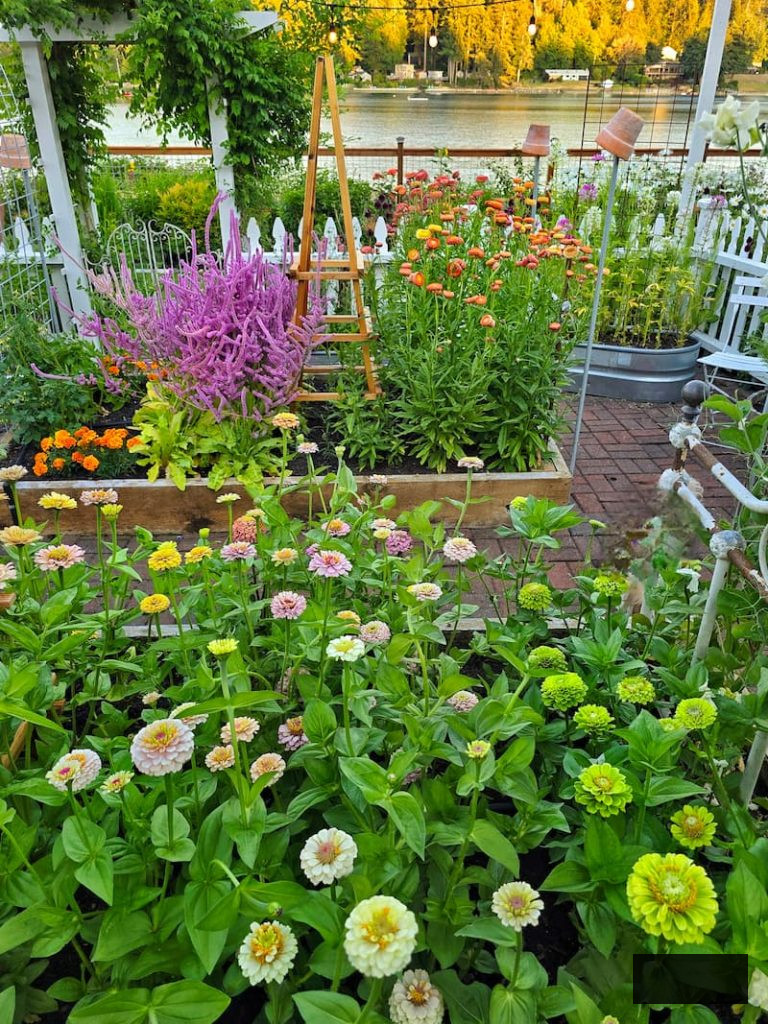
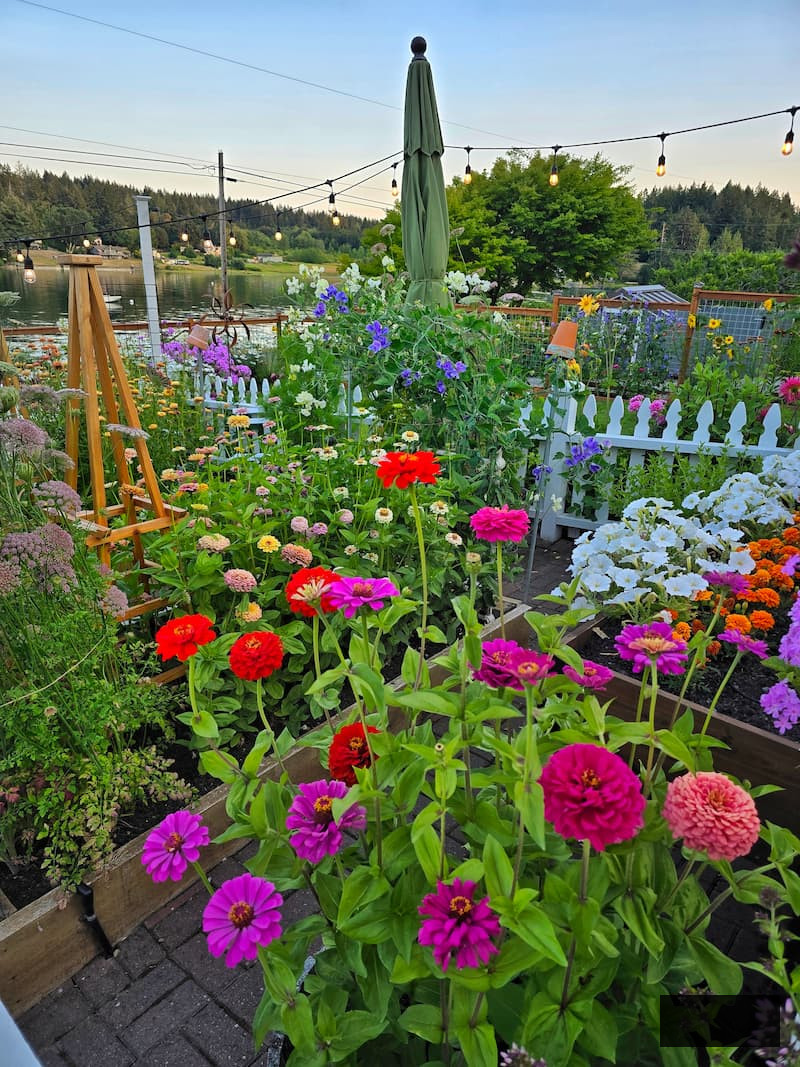
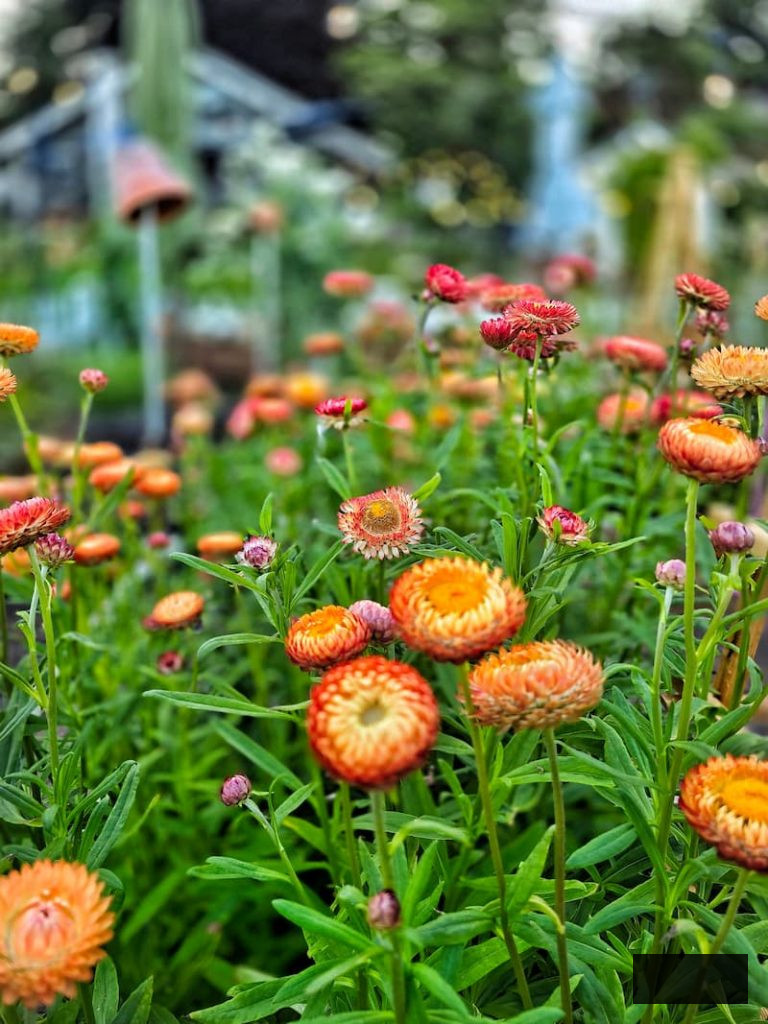
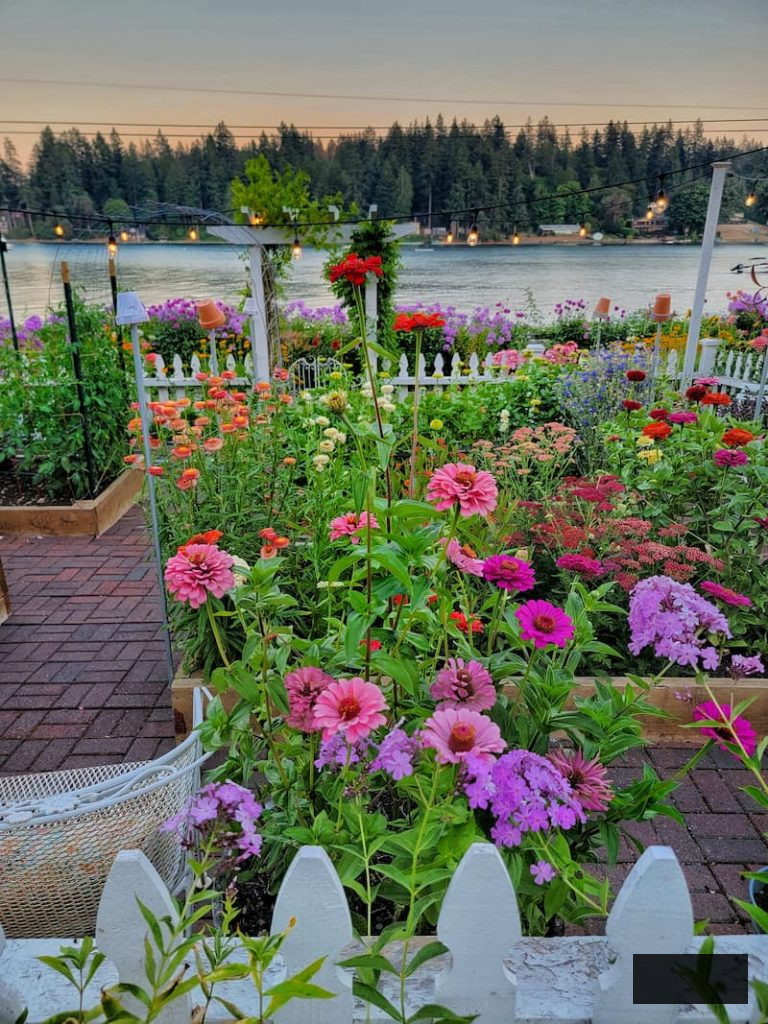
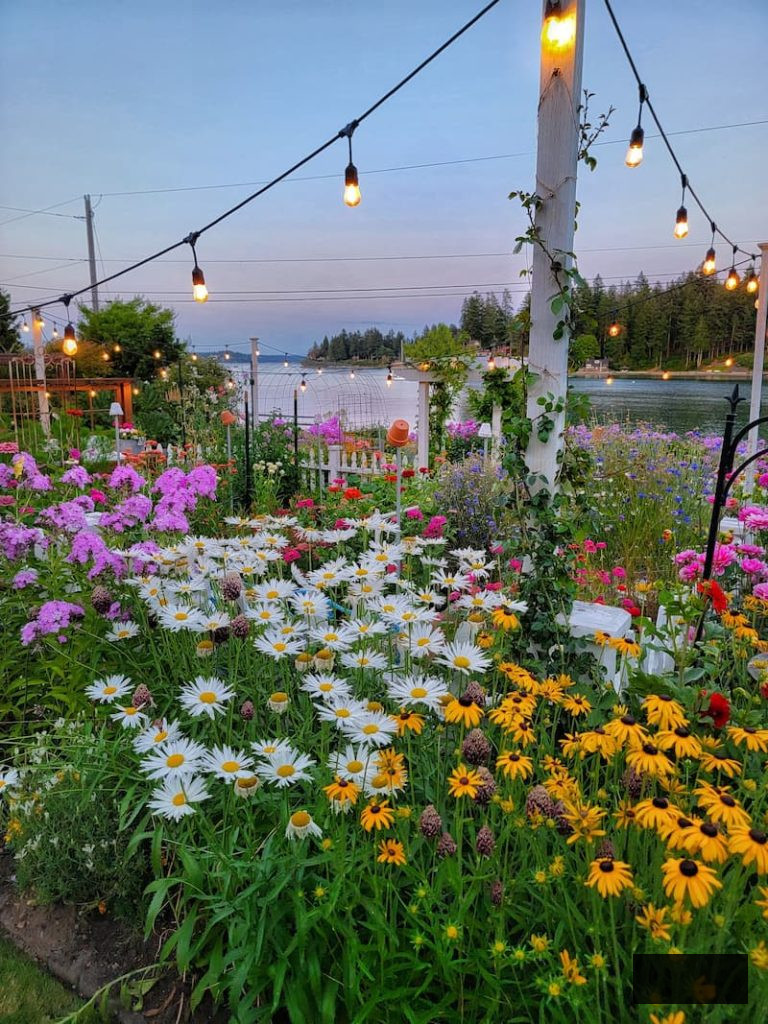
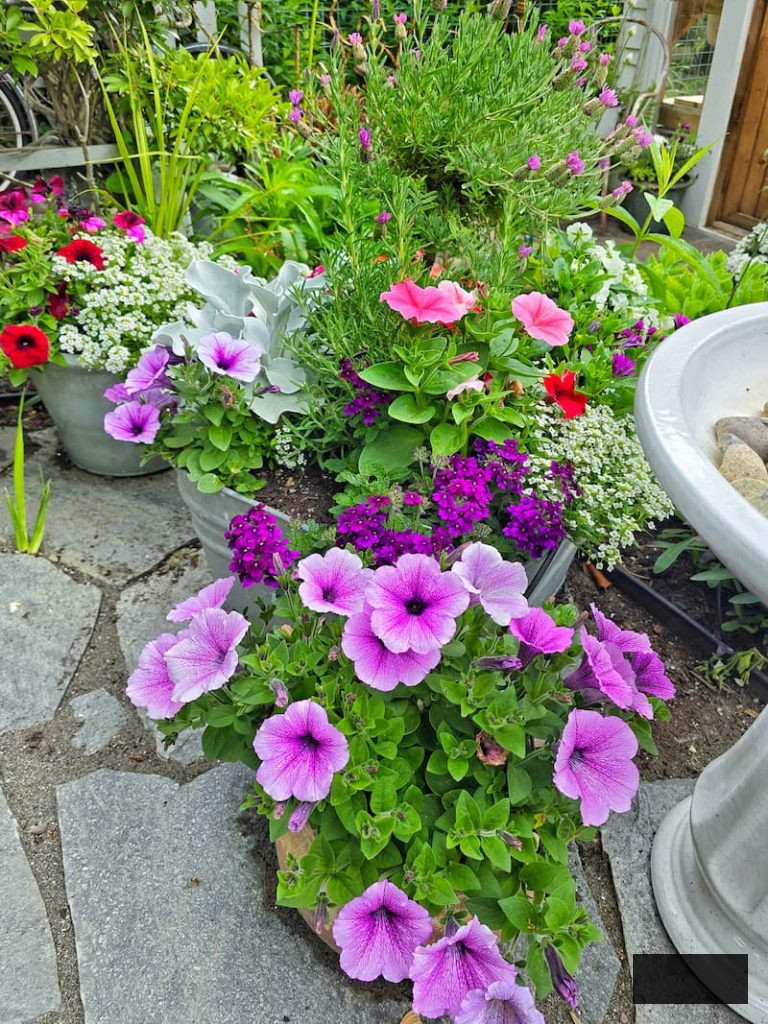
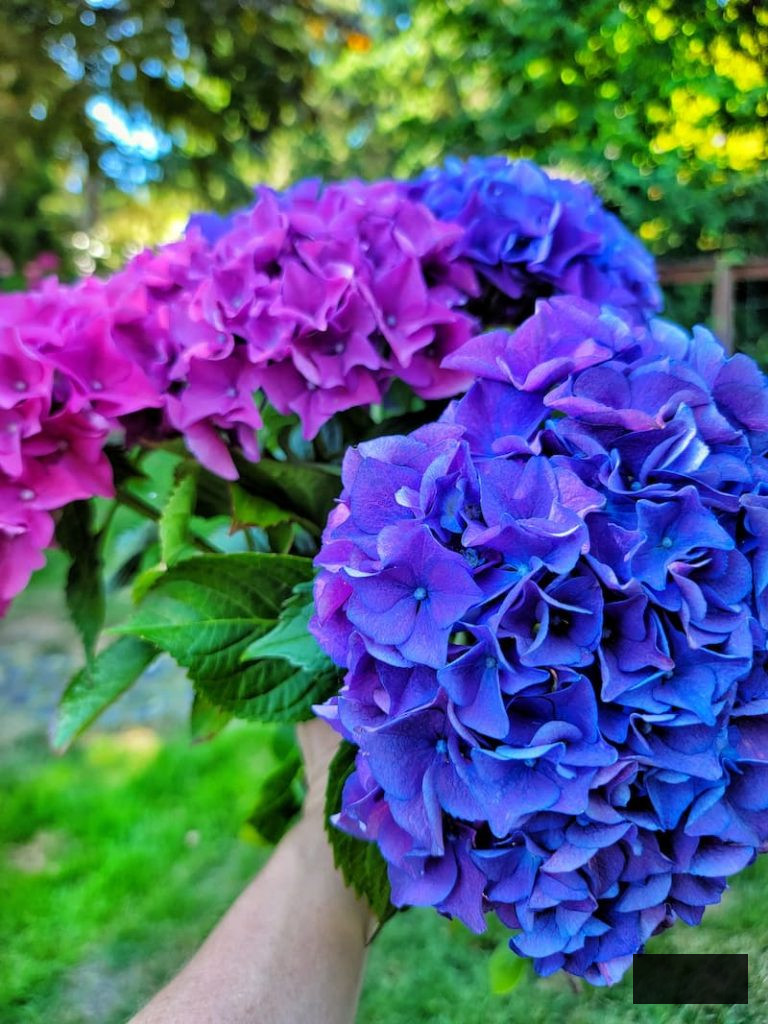
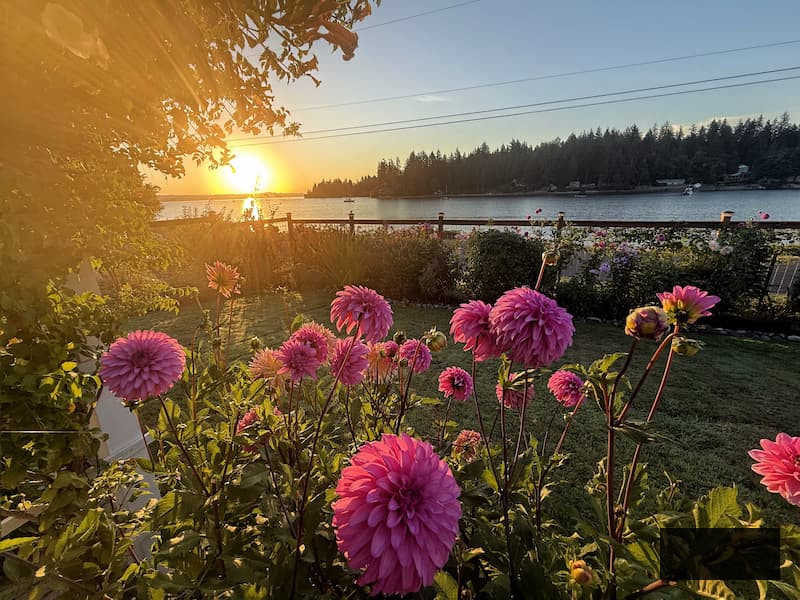
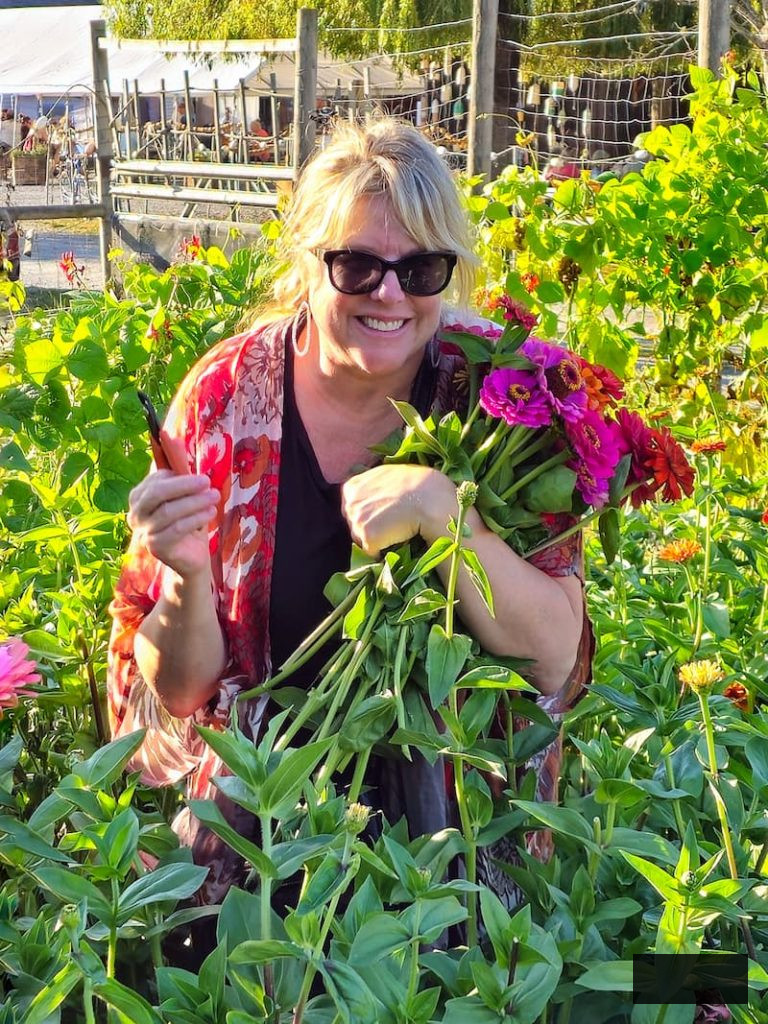
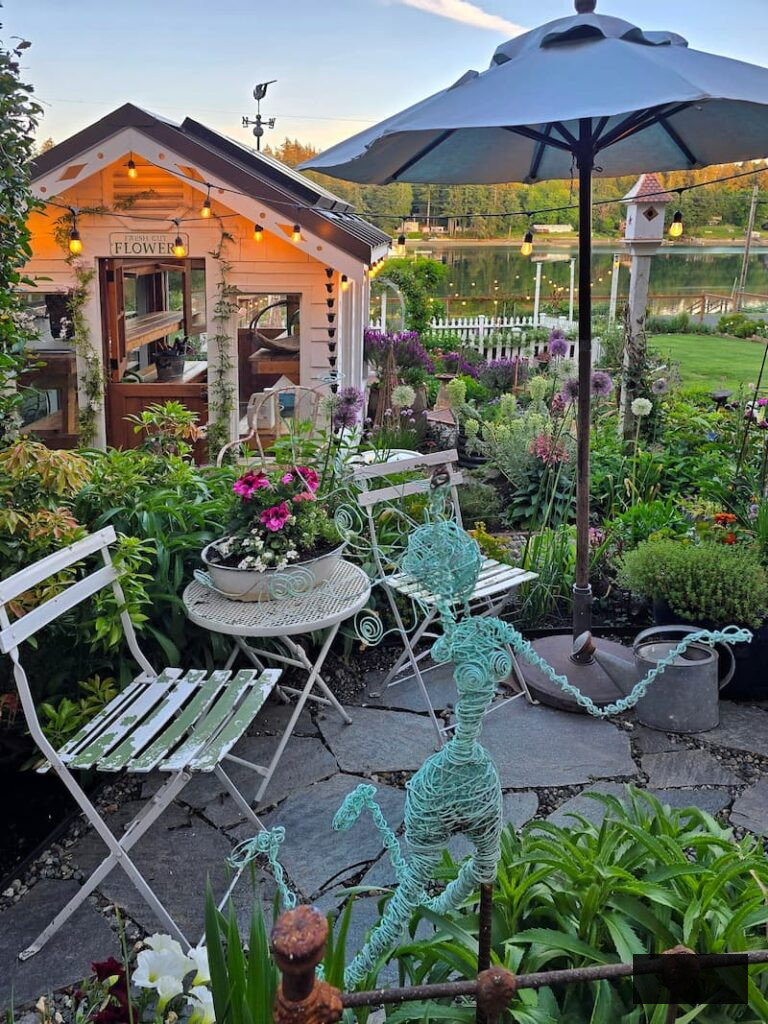
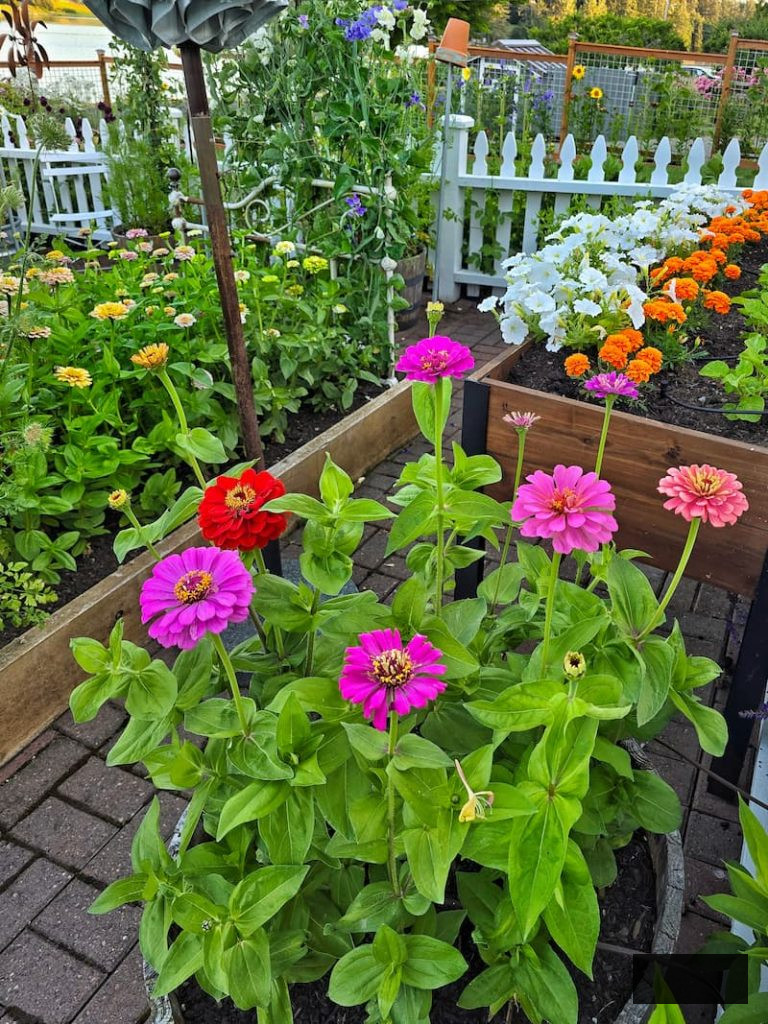
Most of the blooms I showcase here are cultivated from seed in our greenhouse and placed in raised beds and containers throughout our cottage garden.
Why Maintain a Garden Journal?
The argument for journaling is rather straightforward: gardening is a long-term endeavor, and a written account is the most trustworthy asset you possess for enhancing each year. Here’s what it effectively accomplishes
for you.
Monitors Progress You’d Otherwise Overlook
Sowing dates, sprouting times, initial blooming dates, peak harvesting periods: these specifics may seem clear while you’re experiencing them but are truly challenging to recall six months later. A journal records them in real-time, ensuring you have precise data when planning rather than rough estimates.
Uncovers Trends Over Time
One season of notes proves helpful. Two or three seasons of records begin to reveal trends that might otherwise go unnoticed: which bed remains saturated after significant rainfall, which pest issues peak in mid-July, which variety consistently excels on that south-facing incline.
Such accumulated insights contribute to the effectiveness of seasoned gardeners.
Assists You in Learning from Errors
When issues arise (and they will), having a log of your actions simplifies understanding the cause. Was the plant already under strain before the pest appeared? Did the drainage issue occur after you modified that bed? Was the timing incorrect due to a late frost? A journal provides the background to address these inquiries instead of mere speculation.
I’ve encountered errors in my cut flower beds that I would likely have repeated had I not documented them. The year I faced considerable slug damage, I indicated precisely which beds were impacted, the soil moisture levels, and when the damage commenced. The subsequent year, I had the iron phosphate bait ready before it escalated.
Conserves Funds
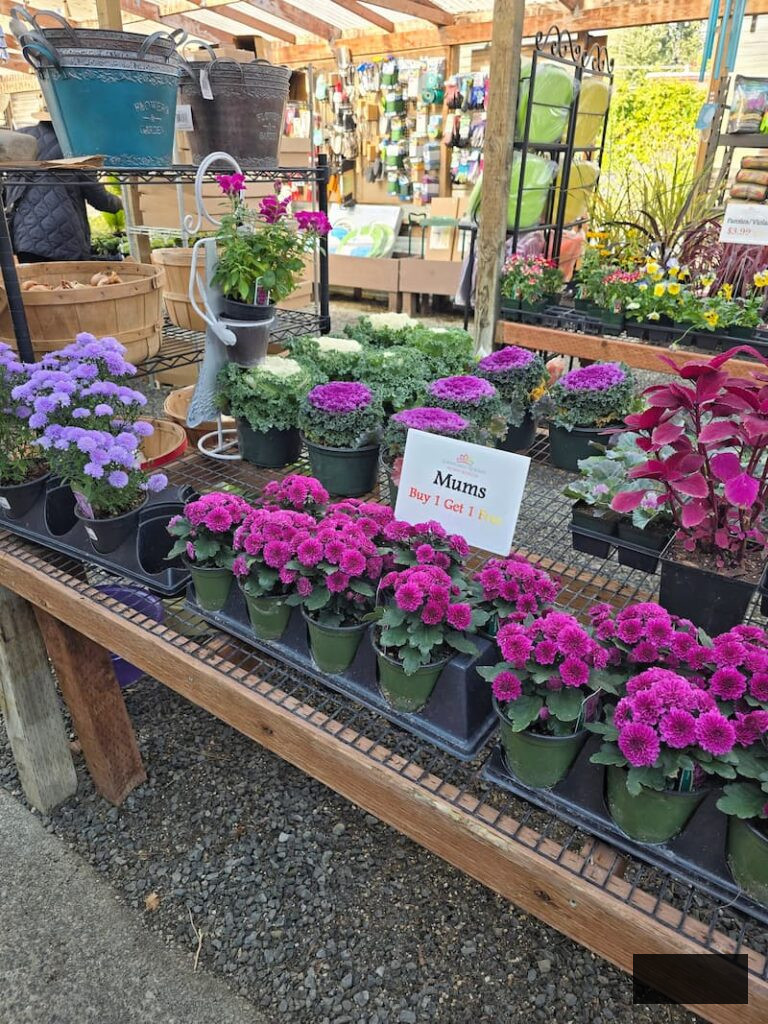
A seed inventory prevents you from purchasing varieties you already possess. Records of what didn’t flourish in certain areas avert unnecessary spending on replacements for inappropriate plants in unsuitable locations. Comprehending which soil amendments genuinely impact helps you invest in what is effective rather than guessing.
Enhances Garden Planning
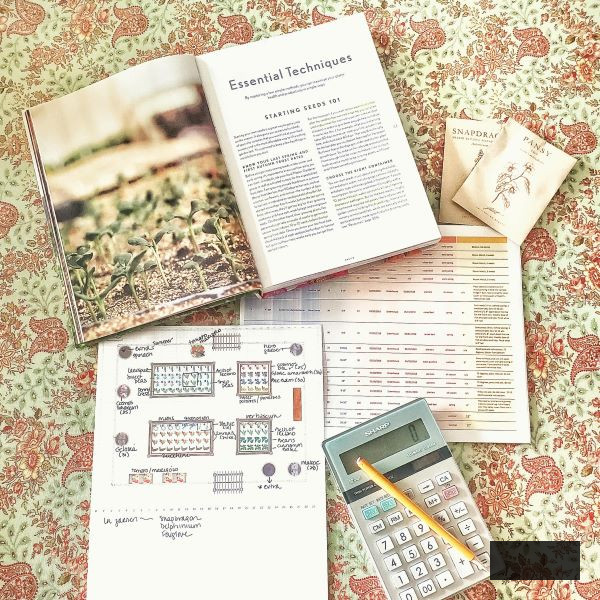
When you sit down in January to devise next season, having last year’s journal readily available is more valuable than any catalog or gardening manual. You understand what truly transpired in your specific garden, within your unique climate, and under your distinct growing conditions. That’s information that no general guide can provide.
Transpires into a Significant Record
There’s a rewarding feeling about flipping back through multiple years of garden notes. You can observe how your beds have progressed, which plants have become staples, what you’ve experienced and chosen to forgo, and how your gardening approach has grown more assured and deliberate over time.
Pressed blooms, pictures, sketches: these transform the journal into something worth preserving beyond its functional value.
Categories of Gardening Journals
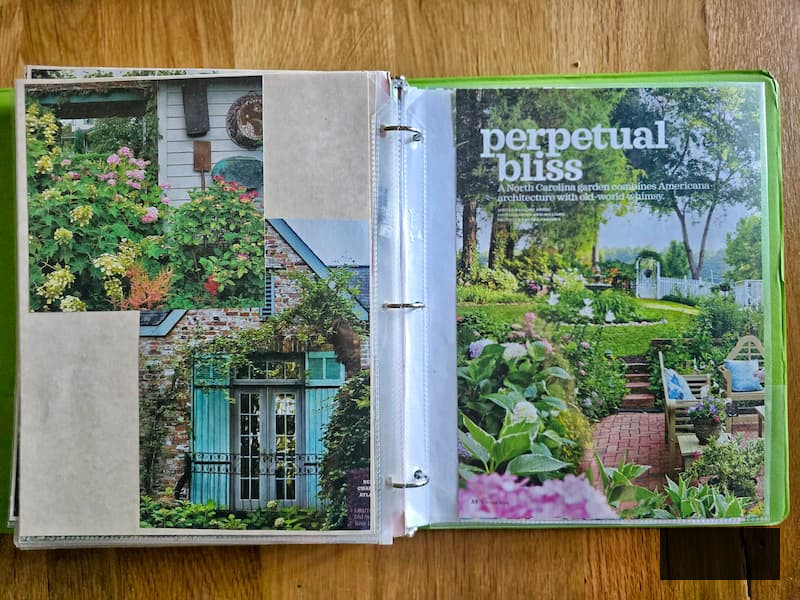
The most effective journal format is the one you will genuinely utilize. Here’s a brief summary of the primary options.
Traditional Notebook or Spiral Notebook
Straightforward, portable, and entirely adaptable. You document what you wish, whenever you want, without any imposed framework. Ideal for gardeners who favor a free-form style and don’t mind creating their own organizational system. The drawback is that it may be challenging to locate specific information later unless you index as you proceed.
Three-Ring Binder
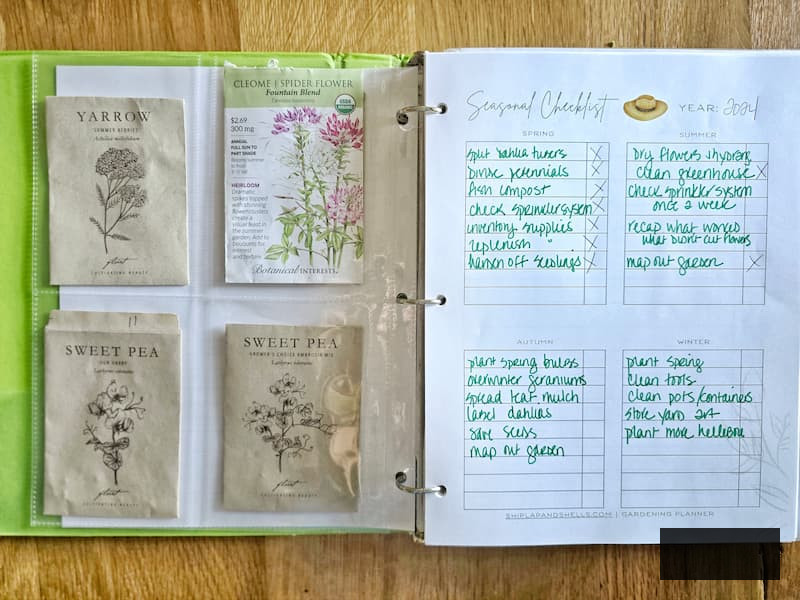
My individual configuration. A binder enables you to add, remove, and reorganize sheets, which is significant when you’re incorporating new sections during the season or printing updated templates annually.
Insert seed packets, plant tags, receipts, and catalog pages alongside your observations. If you utilize a printable planner (refer below), the binder serves as its ideal storage.
Let’s Organize Your Visionary Garden With Our
Gardening Organizer
Unlock Your Garden’s Capabilities.
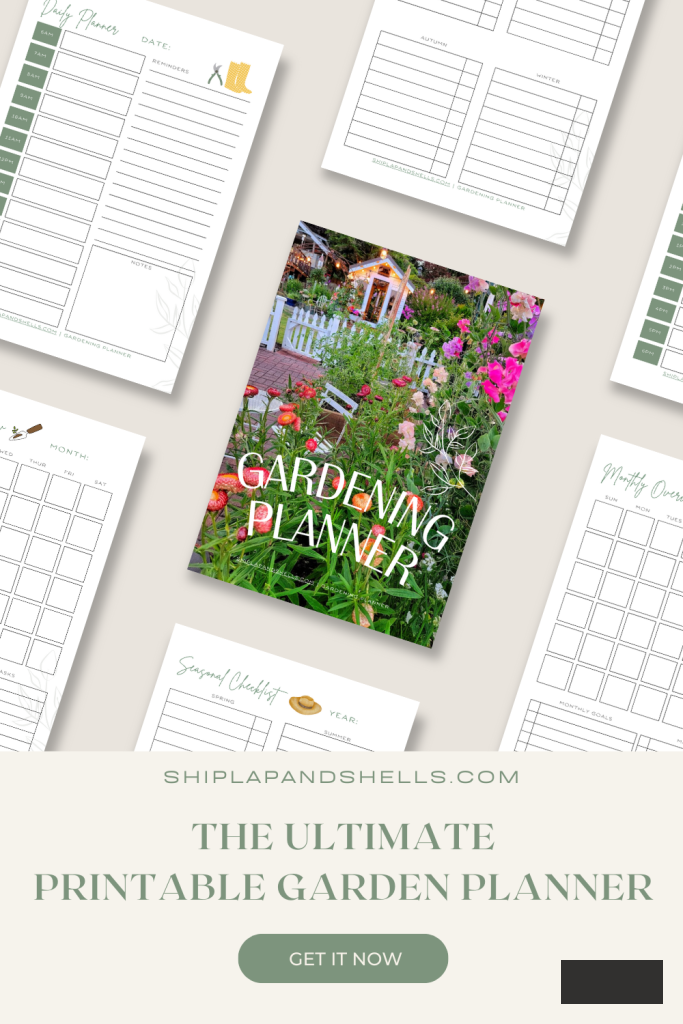
Our 35-page Ultimate Garden Organizer is crafted to assist you in planning, monitoring, and thriving in your gardening pursuits.
Acquire yours for $4.99
Pre-Formatted Gardening Journal
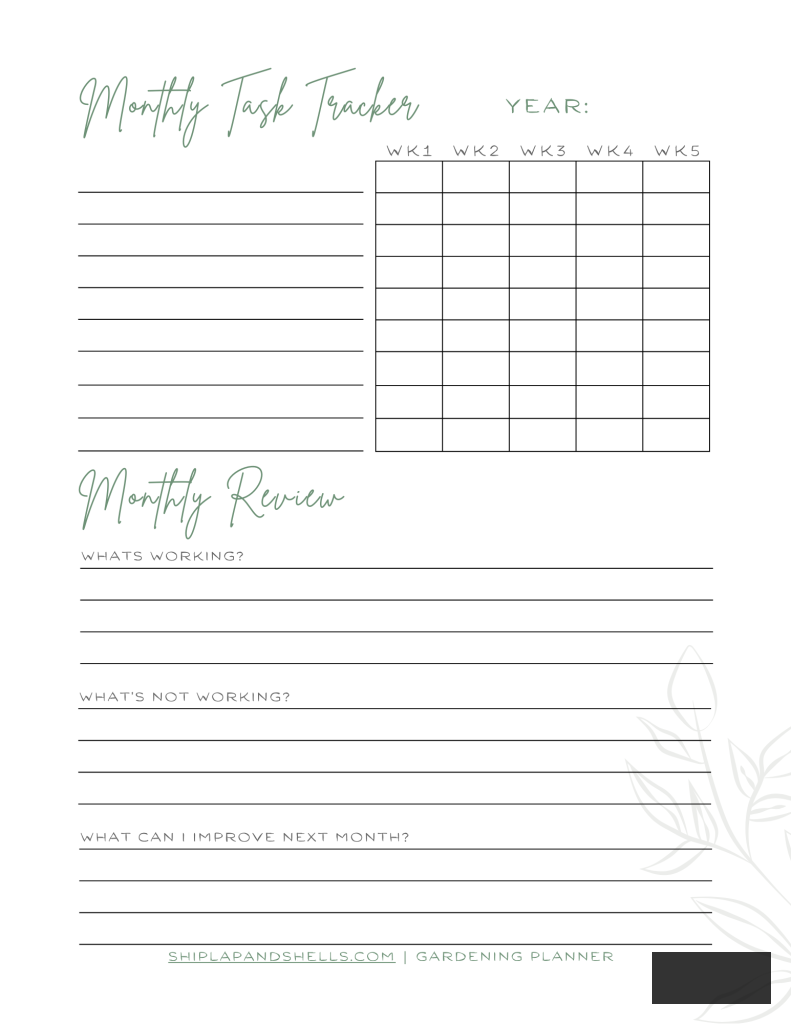
Organized journals with specific sections for planting logs, weather documentation, pest monitoring, and seasonal checklists. Useful for gardeners seeking direction on what to document and who prefer not to create their own method from the beginning. Especially advantageous in the initial season or two prior to establishing your own preferences.
Digital Journal or Application
Applications and software tailored for garden monitoring provide searchable records, photo uploads, automatic weather information, and cloud storage. Ideal for gardeners who prefer typing instead of writing and desire easy access across gadgets. The downside is that it’s less tangible. You can’t insert a seed packet into a digital file, but for some individuals, the search function alone justifies it.
Bullet Journal
A dot-grid notebook utilized with the bullet journal system, which is extremely customizable, artistic, and perfectly suited for those who enjoy designing their own formats. You can create calendars, plant profiles, habit trackers, and sketches all in one location. This requires slightly more initial effort to establish, but evolves into a truly personalized system.
Photo Journal
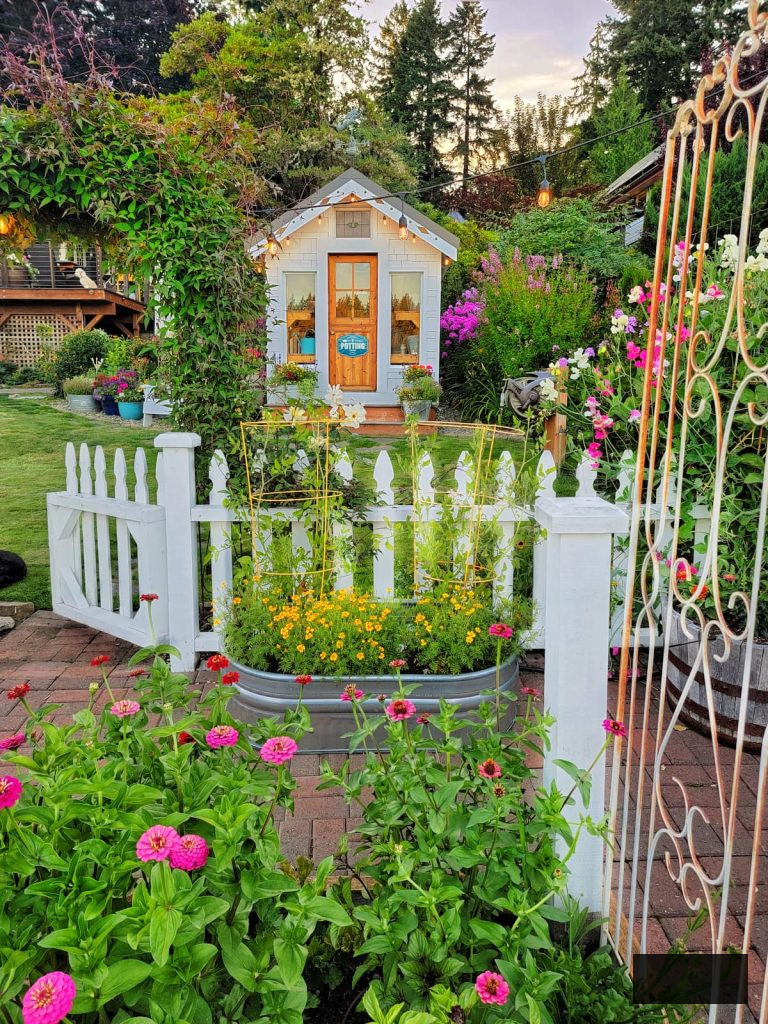
A visual documentation: a tangible photo book or digital platform that showcases your garden’s aesthetic throughout the seasons. Brief notes or captions alongside the images give context. Serves well as a supplement to a written journal rather than a substitute for one, since images alone don’t capture planting dates, pest details, or soil adjustments.
Printable Garden Organizer
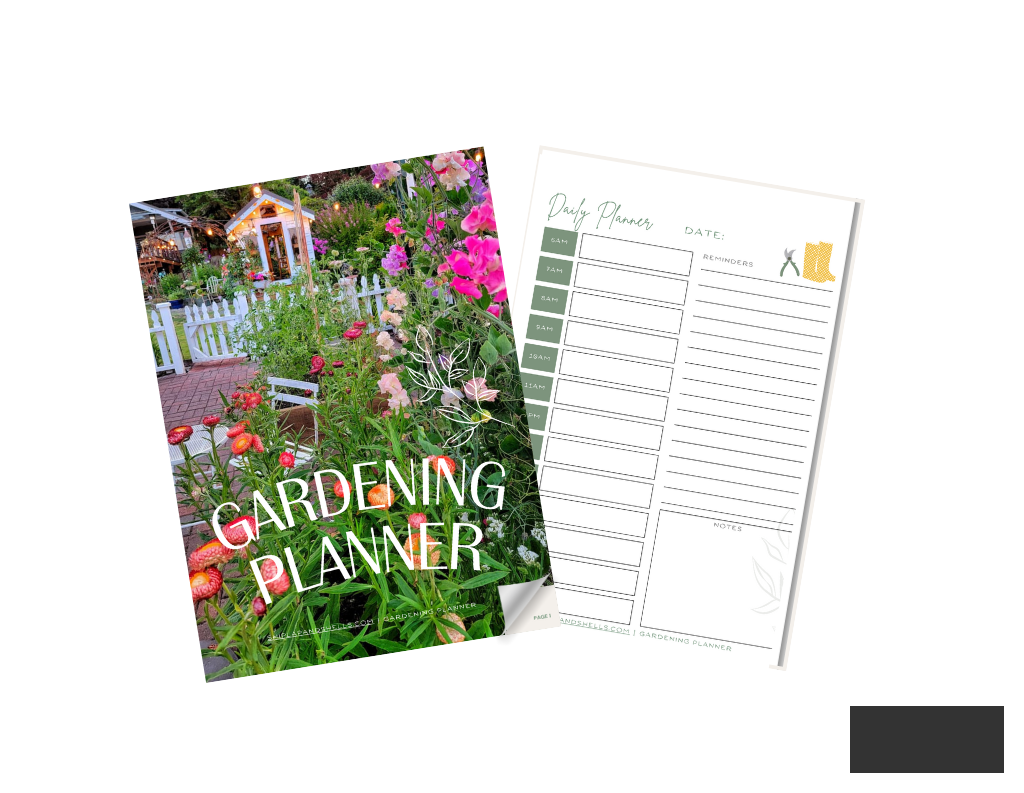
Digital resources are accessible online and come pre-structured with sections for every facet of garden journaling: seed lists, plant profiles, seasonal to-do lists, expense records, layout sketches, pest tracking, and beyond. You print what you require, organize it in a binder, and can reprint sheets as necessary. The layout work is complete for you, and the sections include details you might not have thought to monitor independently.
I utilize my printable planner as the core of my binder-based structure. The integration of pre-designed sheets paired with the versatility of a binder strikes the perfect equilibrium between structure and flexibility for me.
Combination Journal
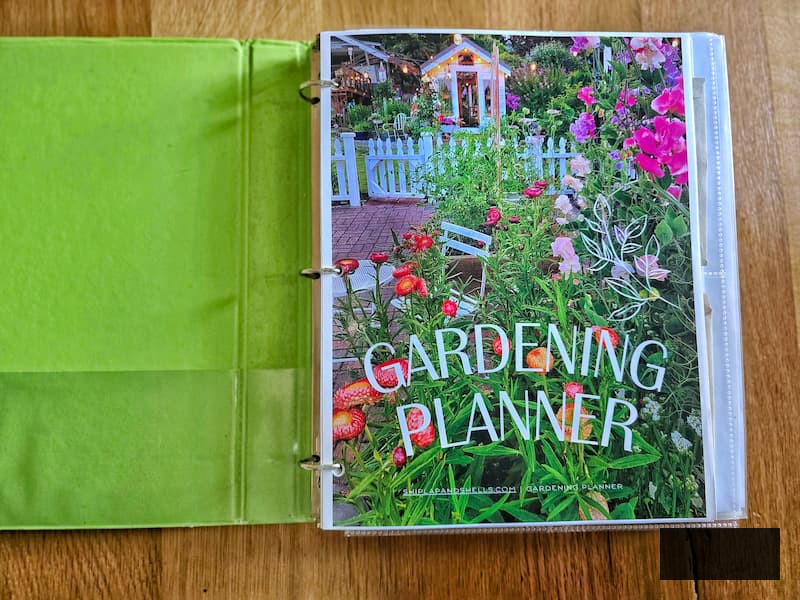
Most seasoned gardeners ultimately develop some version of a hybrid system: printable sheets in a binder, complemented by a photo book on their device, with quick daily notes scrawled in a small spiral notebook kept in the gardening bag. Utilize varying formats for what they excel at, and don’t feel obligated to have everything consolidated in one location.
What to Incorporate In a Gardening Journal
You don’t have to document everything from the outset. Initiate with the sections that seem most beneficial for your current situation, and add more as the routine develops. Here’s what’s valuable to include.
Calendar and Planting Timeline
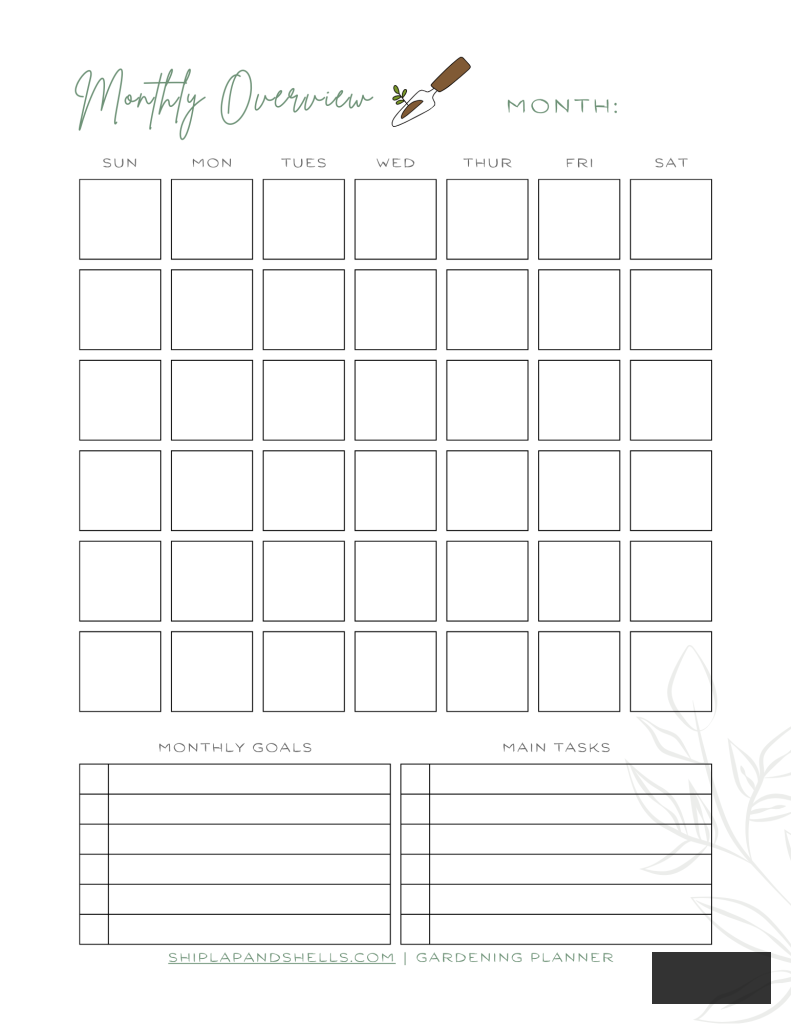
A calendar enables you to outline planting dates, transplant periods, anticipated flowering times, and important care activities for the entire season at a glance. It’s beneficial for organizing successive plantings, monitoring when to initiate seeds indoors relative to your last frost date, and indicating the upcoming tasks.
In practical terms, I utilize the calendar pages primarily for planning my intentions rather than documenting past actions. The daily or weekly logs illustrate what genuinely occurs.
Daily and Weekly Records
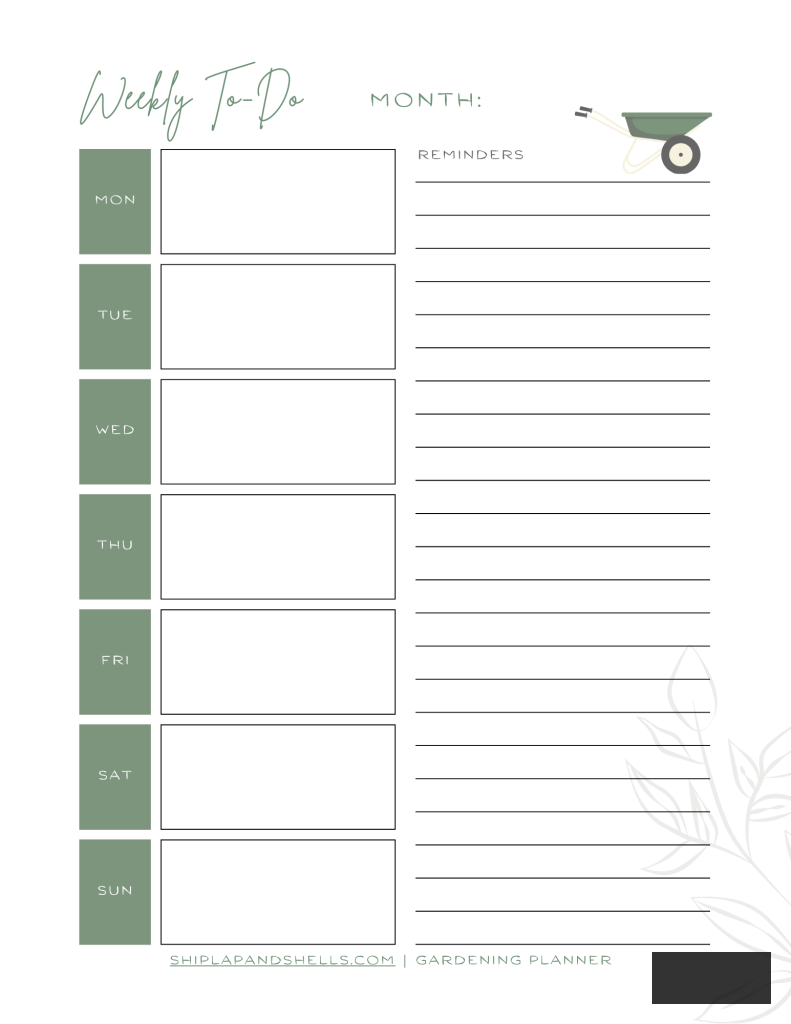
This section forms the core of the journal. Frequent entries record what you accomplished, what you observed, and what shifted. They don’t need to be extensive: a few sentences about what was watered, what was deadheaded, what’s beginning to bloom, and what seems amiss is sufficient for most days.
Seasonal Checklists
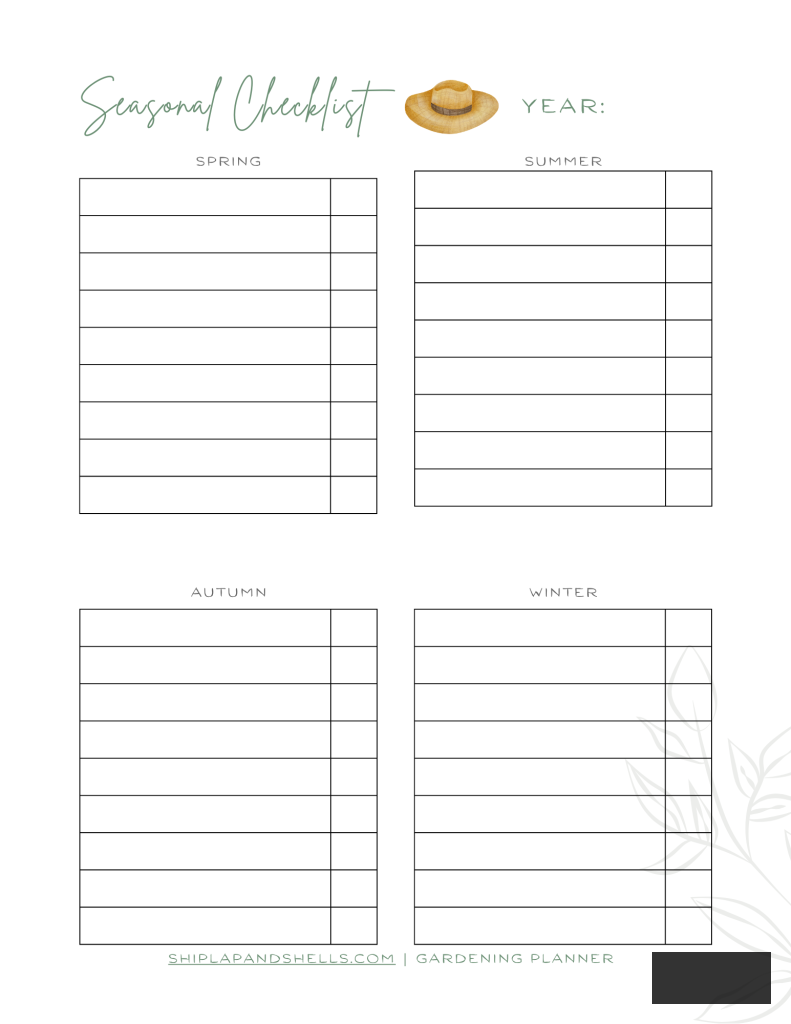
A seasonal checklist aids in preparing for each stage of the gardening year without omitting anything.
Location Information and Climate Observations
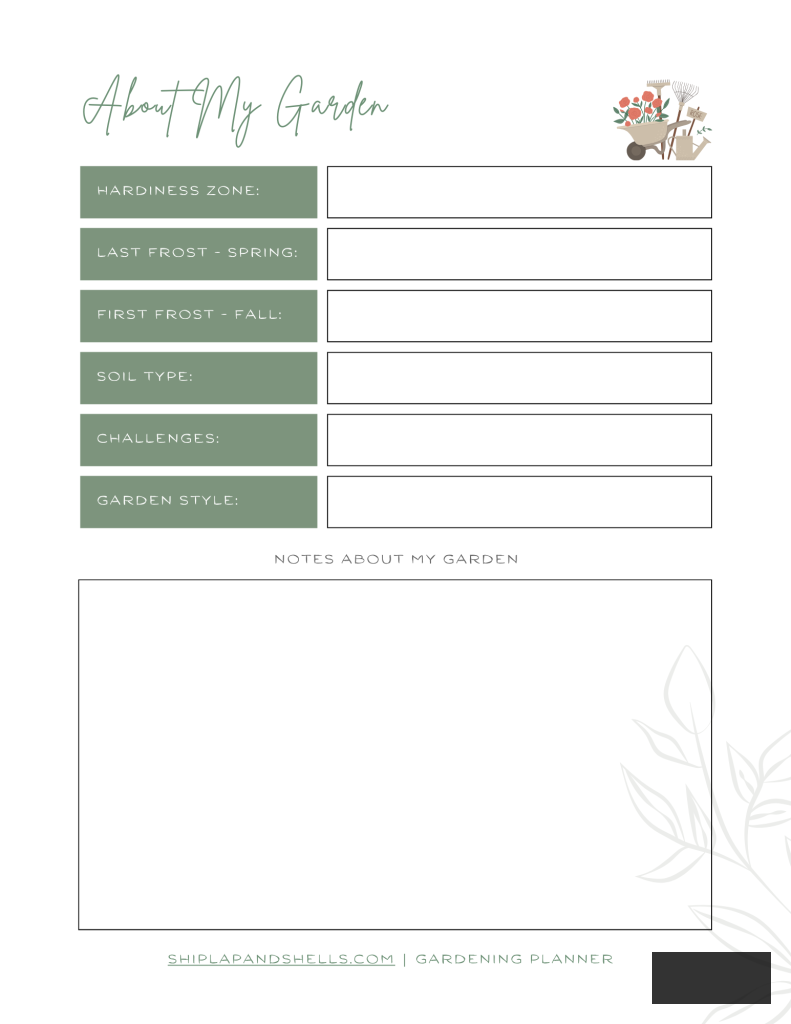
Document your USDA Hardiness Zone, average initial and final frost dates, along with any microclimates in your garden: areas that remain wetter, spots that receive afternoon shade, and corners that experience more wind. These details are worth recording once and referring to when making planting choices.
In Zone 8b on the Pacific Northwest coast, I also note our weather irregularities: the last frost that unexpectedly caught me off guard, the heat wave that arrived three weeks sooner than anticipated, and the unusually wet June that resulted in powdery mildew on the snapdragons. These occurrences are precisely what the journal preserves.
that no universal gardening manual can encompass.
Seed and Plant Inventory
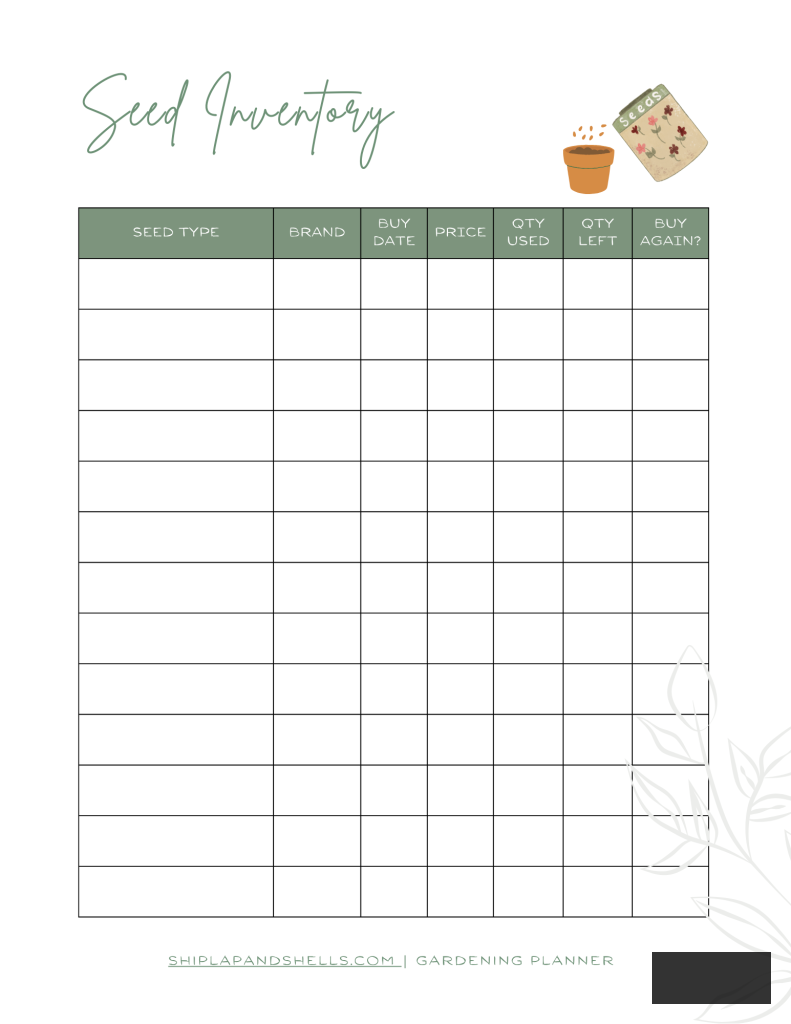
An ongoing catalog of all that you possess, encompassing seeds available, perennials planted, and new arrivals from the nursery. This assists in avoiding repeated purchases and offers a transparent overview of your seasonal tasks. Document variety titles, origins, purchase or planting dates, and any notes on germination rates.
This segment is particularly essential for seeds preserved from one year to the next. Understanding that your cosmos seeds are from two years prior aids in determining whether to procure new ones or evaluate germination prior to sowing.
Plant Profiles
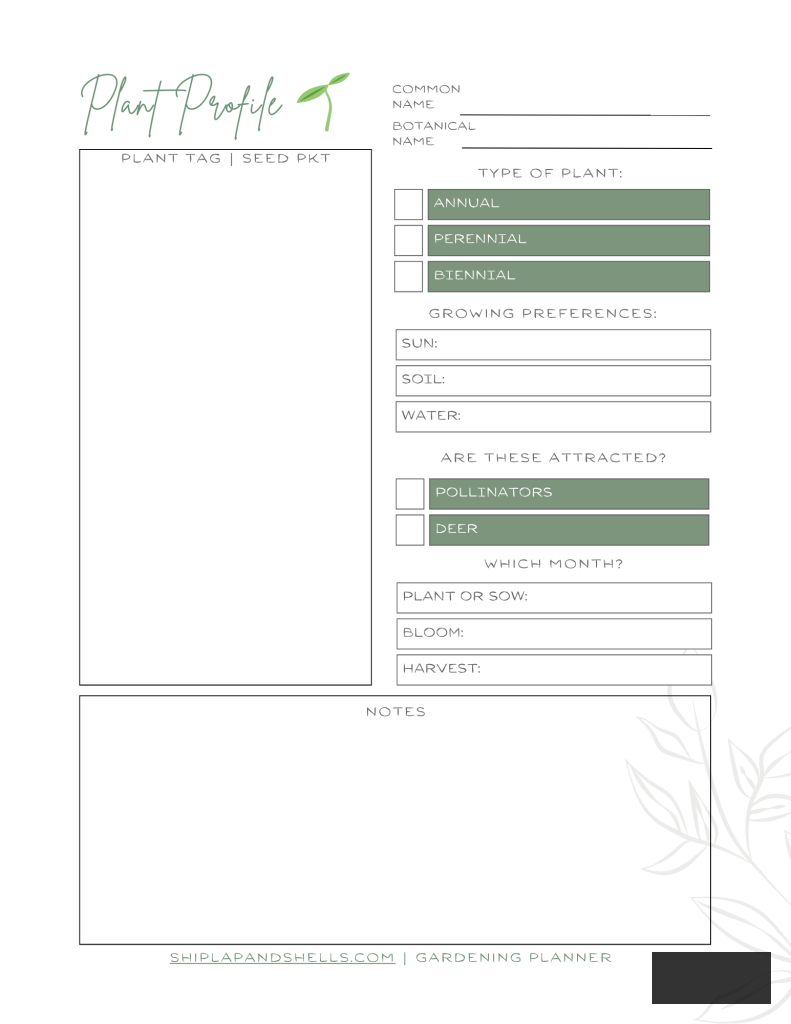
A specific page or segment for each variety you cultivate: detailing planting date, light and water requirements, blooming duration, performance, and reflections on potential adjustments. Across multiple seasons, a well-maintained plant profile provides insights into a variety’s behavior within your unique garden more than any catalog narrative.
For floral varieties, notes on bloom duration and stem length are invaluable for strategizing cutting garden successions.
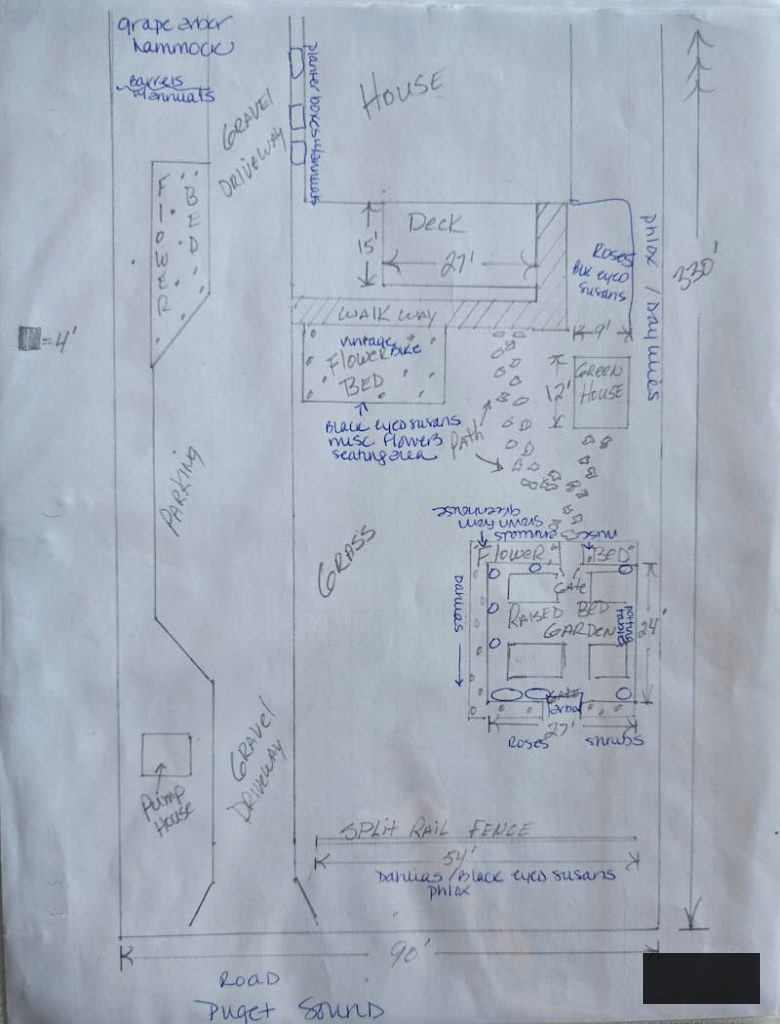
Garden Sketch and Bed Layout
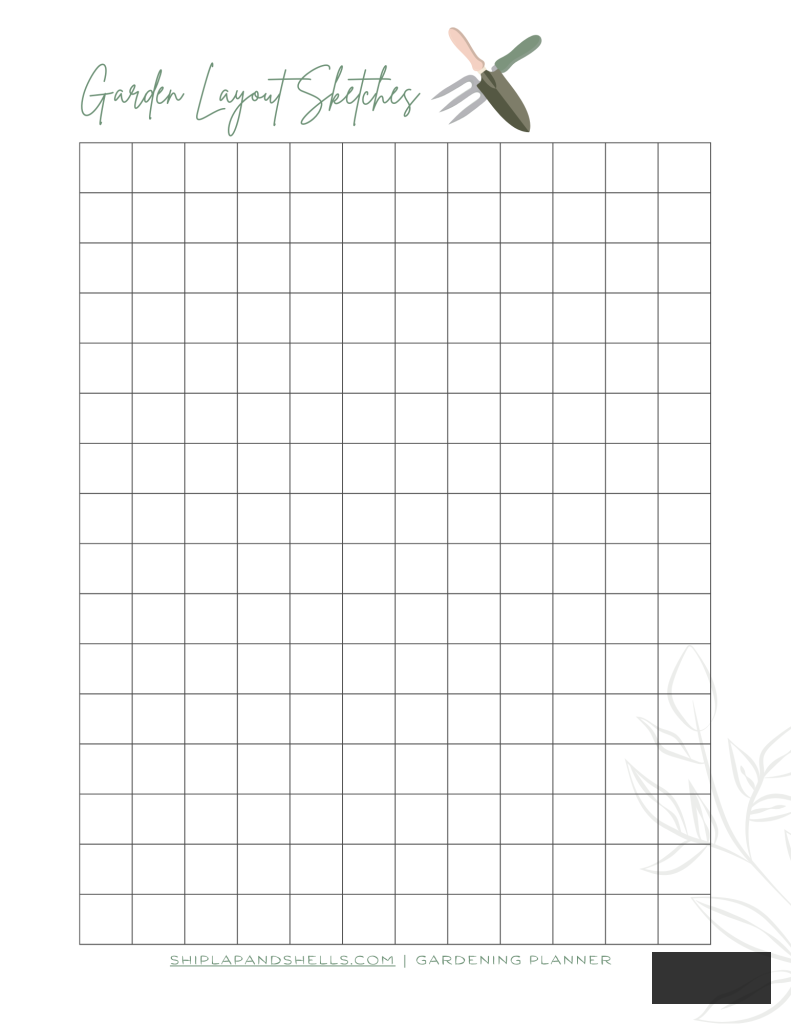
A simple drawing of your garden, indicating bed placements and plant locations aids in monitoring crop rotation, recollecting previous plant placements (vital when facing unmarked soil in spring), and organizing modifications for the upcoming season. Precision isn’t required, just enough accuracy to serve a purpose.
Every spring, I sketch my cut flower beds before planting and revise them as I add more plants. By the season’s close, I can quickly identify what thrived in which spot.
Photographs
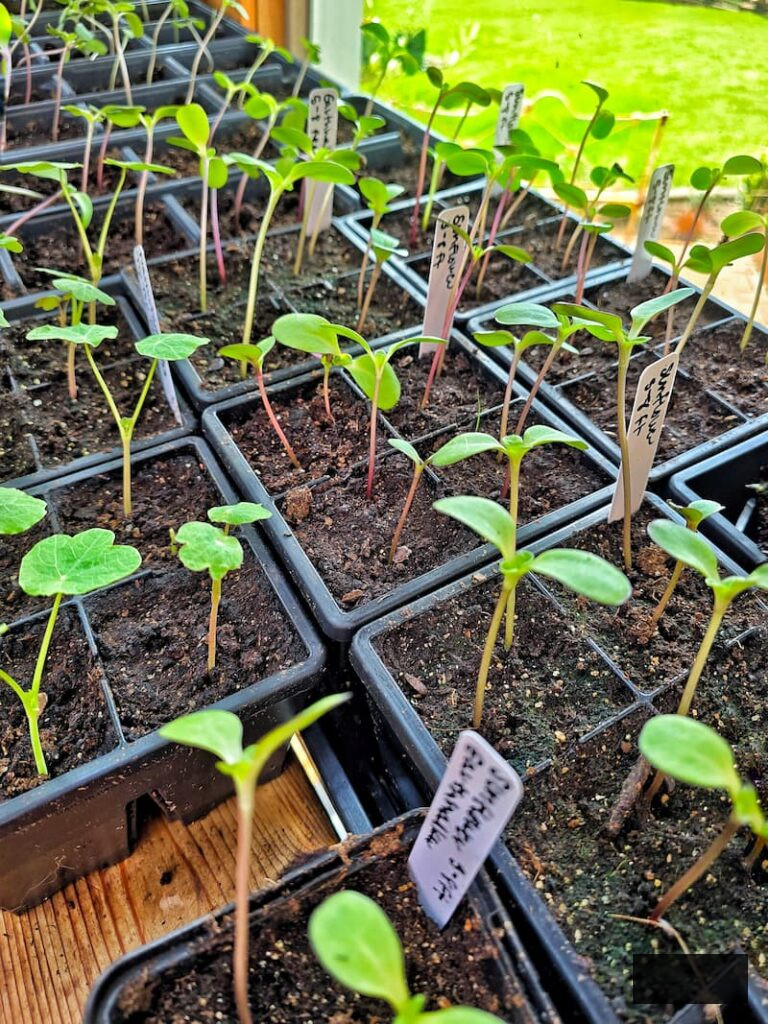
Images encapsulate what written notes miss…the true look of a plant at a specific growth stage, the signs of pest or disease damage, and the appearance of the beds during peak bloom. Timestamped photos are especially beneficial for contrasting the same bed or plant over several seasons.
I maintain a chronological photo collection arranged by month. Not anything extravagant, just the routine of clicking pictures of noteworthy moments while I’m tending to the garden.
Pest and Disease Log
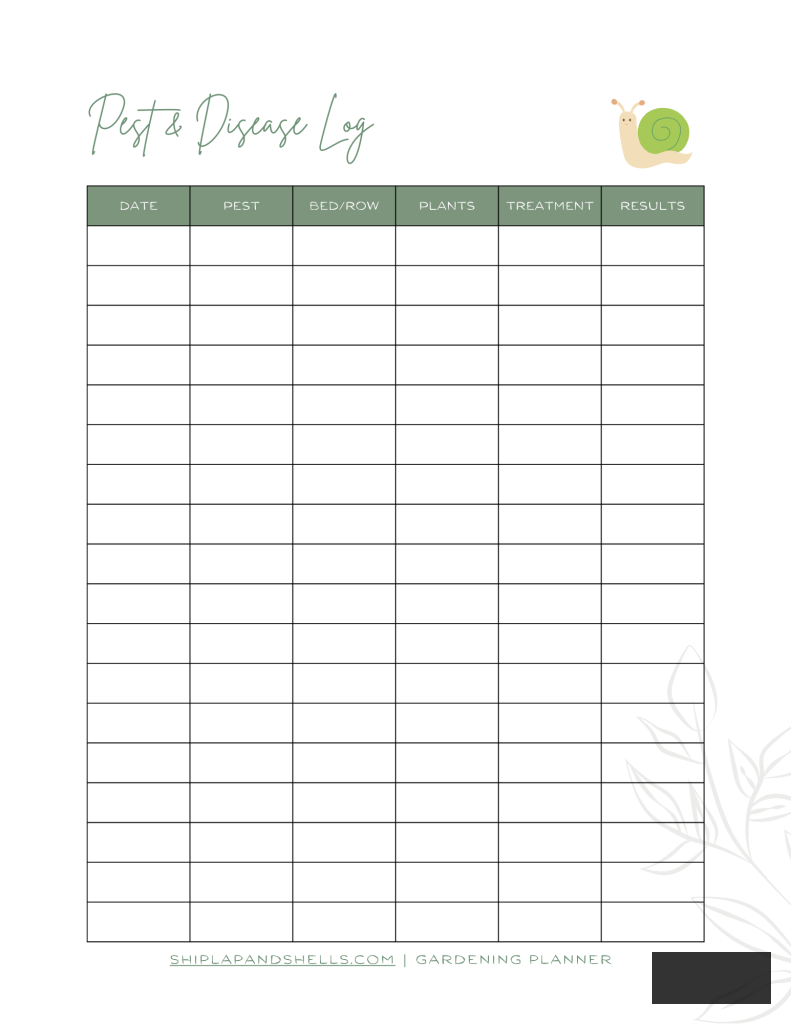
Record what emerged, when you first noticed it, which plants were impacted, and your response. With time, this section demonstrates trends: pests that reliably appear under specific conditions, plants that are consistently susceptible, successful treatments, and those that fail.
Additionally, this segment provides significant insights for prevention. Recognizing that slugs target a particular bed heavily each year in mid-June means I’ll put out bait in late May instead of waiting for damage to manifest.
Weather Log
Temperature, precipitation, heat waves, late frosts, and unusually wet spells: weather influences every aspect of the garden, making it worthwhile to monitor. You don’t have to log daily, but noting notable incidents and their consequences provides context for understanding why specific events unfold the way they do.
Bloom Times
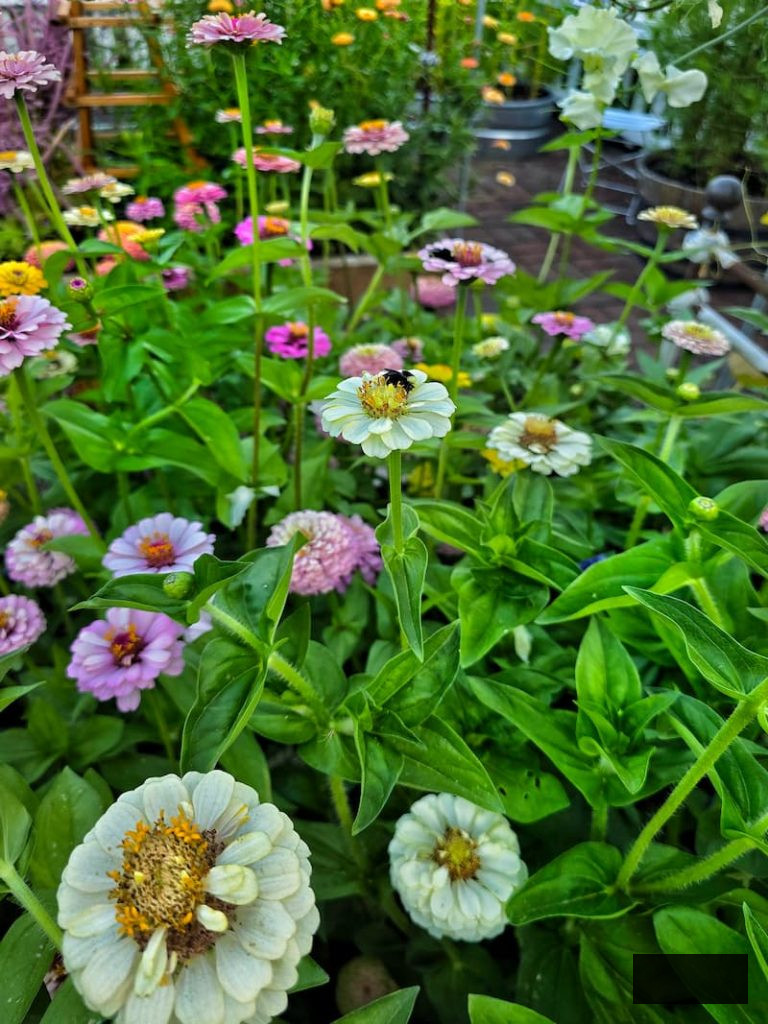
Documenting when each plant first blooms and when it fades assists in planning for ongoing color and succession cutting.
Over various seasons, you’ll gain precise knowledge on when to anticipate your initial ranunculus, the peak of the dahlias, and when the zinnias generally last until frost. This section makes cut flower cultivation feel significantly less like a guesswork.
Expense Log
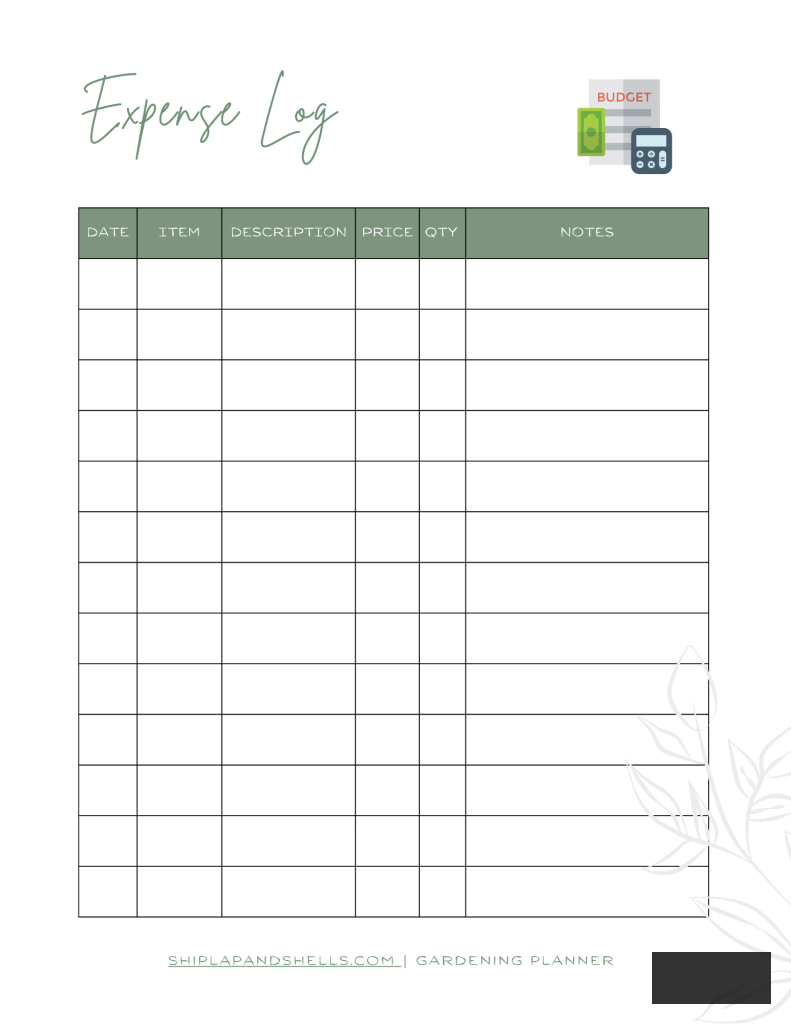
Seeds, transplants, amendments,
tools, watering supplies: it’s simple to misplace sight of what you’re expending on the garden. A straightforward expense log allows you to observe where the funds are allocated and make wiser choices about where to economize and where it’s justifiable to invest more.
Achievements and Obstacles
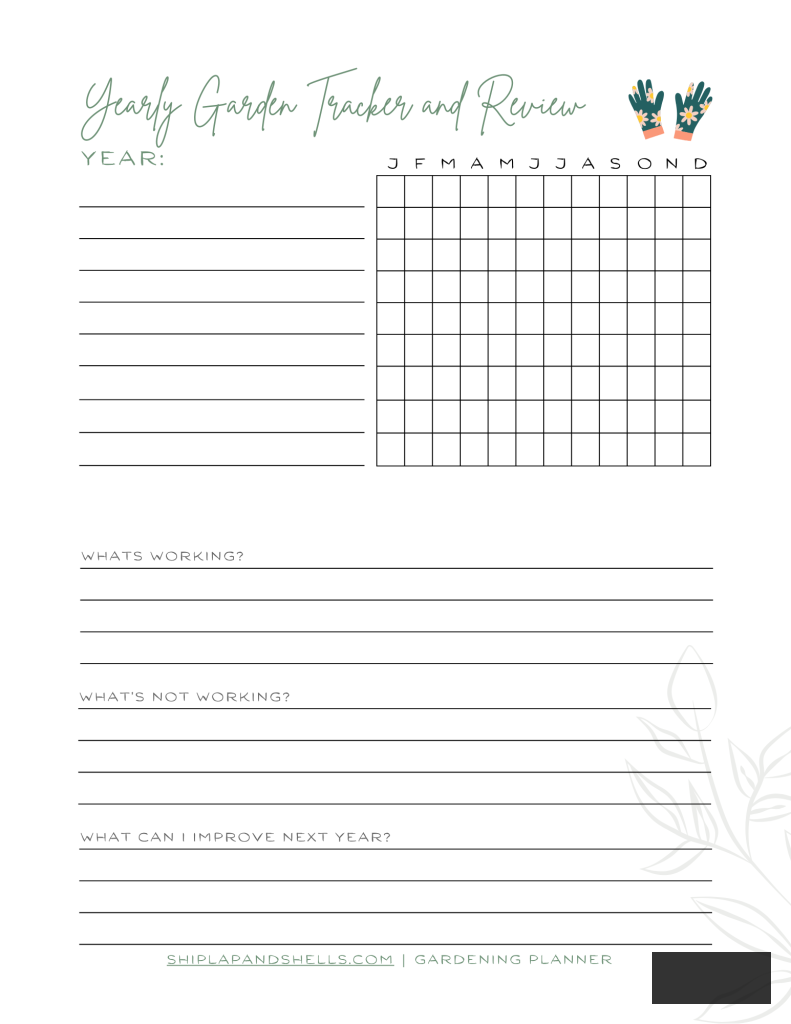
A truthful end-of-season evaluation: what surpassed expectations, what faced challenges, and what adjustments you’d consider for next time. This is the part you’ll reference most frequently when strategizing for the upcoming year.
Be specific: ‘the Benary’s Giant zinnias in bed three were remarkable; the Purity cosmos and bed one underperformed after the heat wave in August, and I wouldn’t plant them there again’ provides more insight than ‘zinnias were good, cosmos were mixed.’
Garden Memories
The first blossom of the season. The dahlia that grows larger than any you’ve cultivated previously. A morning spent in the garden with an iced latte when everything was at its finest. Pressed flowers, sketches, musings about your thoughts or experiments. This section is what transforms a practical record into something worth preserving for its own value.
Browse for Garden Journals and Accessories
How to Initiate a Garden Journal
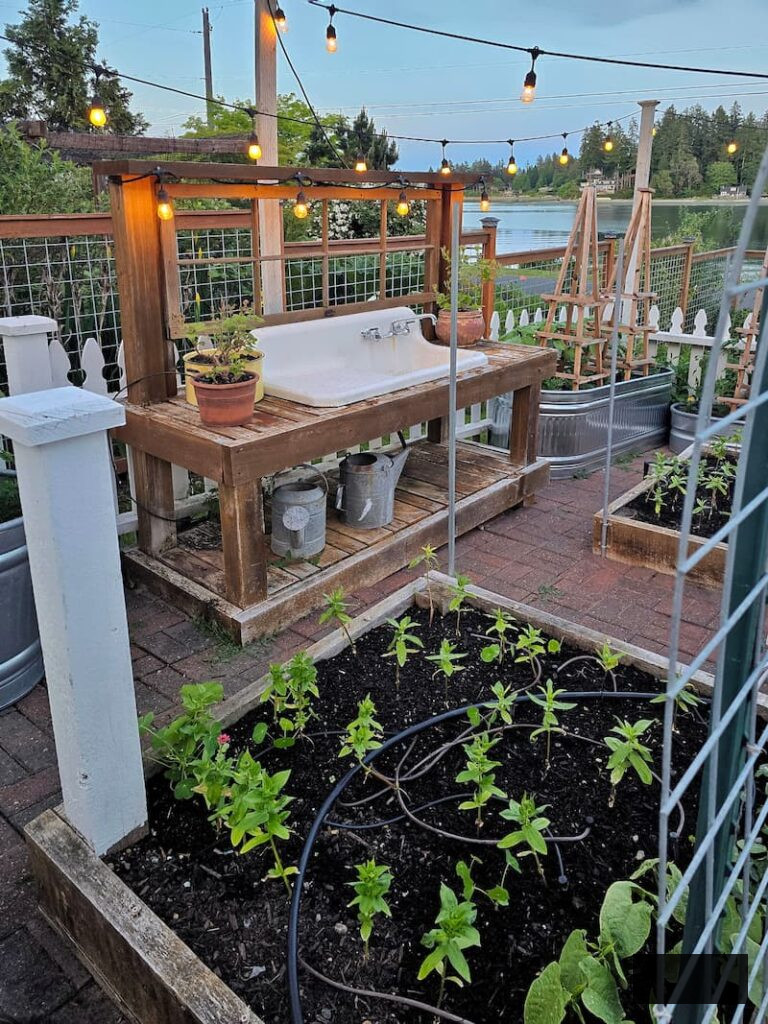
The most crucial aspect is to commence before you feel prepared. You will discover what is effective as you progress. Here’s a straightforward method.
Select a Format That Suits Your Working Style
If you’re an individual who carries a notebook everywhere, a conventional or spiral notebook is an ideal match. If you prefer structure handed to you, a pre-designed journal or printable planner is worth the minor investment. If you’re already using your phone in the garden, a digital app might be more effective than a physical system.
Attempt not to complicate it at the beginning. A simple notebook and a writing instrument are adequate to get started.
Establish Fundamental Sections
You do not need to create every section at once. Begin with a few that seem immediately practical:
Incorporate additional sections as the season advances and you identify what you truly need to monitor.
Create the First Entry Today
Begin with whatever is currently occurring in the garden. What’s flowering, what’s just been positioned, what seems off, what the climate has been like. Don’t hesitate for the right moment or the ideal format… just commence.
Write Consistently, Not Flawlessly
A brief entry three times per week holds more value than a comprehensive entry once a month. Consistency is what renders the record beneficial. Keep the journal in a location that is easily accessible. Place it near the exit you use or in your gardening bag, making it simple to jot down a note when returning from the garden.
Incorporate Visual Elements
Insert seed packets as you open them. Press a flower or two. Add a photo when something appears particularly striking or particularly poor. These minor additions enhance the journal’s depth and usability as a reference.
Evaluate
It Before Each Season
The diary’s significance accumulates when you peruse it. Prior to the planting season, take a moment to review last year’s entries and search for trends, reminders, and insights. Which varieties did you wish to replicate? Which beds require attention before planting? What timing modifications did you note at the conclusion of the season?
That reflection is when the routine yields its most evident benefits.
LET’S GO SHOPPING FOR
Garden Supplies and Tools
Explore my preferred garden supplies and tools for the growing season. Whether in search of potting mix or deer deterrent, you’ll discover what I utilize in my own garden.
Frequently Asked Questions
What Should I Document in a Garden Journal?
Begin with planting dates, weather notes, and your observations about your plants each week. Include pest and disease records, blooming times, and an honest end-of-season evaluation of what was effective and what fell short. Over time, you’ll cultivate an understanding of which categories are most beneficial for your gardening style.
How Frequently Should I Record in My Garden Journal?
A few times per week is optimal during the dynamic growing season. Even short notes about what was hydrated, what you pruned, or what appears unusual accumulate into a valuable record. A daily entry doesn’t need to be lengthy; just a couple of sentences suffices. In the off-season, monthly entries on planning and seed orders help maintain the habit.
What’s the Most Suitable Type of Garden Journal for Novices?
A pre-structured journal or downloadable planner provides guidance without necessitating you to create your own system entirely. It directs you on what to document and provides a space for it. After employing a structured format for a couple of seasons, you’ll gain clarity on what you truly need and can tailor the approach from there.
Do I Require a Distinct Journal for Each Garden Bed?
Not necessarily. Most gardeners discover it simpler to maintain one journal divided into sections for different beds or a diagram indicating where each plant is located. Keeping separate journals per bed tends to introduce more complications than it resolves. A bed diagram, along with detailed plant profiles, generally suffices for your needs.
Can I Utilize My Phone Instead of a Physical Journal?
Absolutely, and for some gardeners, it proves more effective. A dedicated application provides searchable entries, easy image storage, and accessibility from various devices. The drawback is that you can’t slip a seed packet or a dried flower into a phone. A blended method: quick notes and images on the phone, organized into a physical binder at week’s end, is what some gardeners find most efficient.
Is a Garden Journal Valuable If I Only Have a Small Garden?
It’s particularly beneficial. Smaller gardens are frequently more densely planted, indicating more details to monitor in a limited area. Furthermore, the practice of close observation that journaling promotes is indeed valuable regardless of garden size. You’ll notice elements you might otherwise overlook, and have an authentic record to refer to when planning each upcoming season.
Final Reflections on Garden Journaling
A garden journal isn’t complex. It’s merely the practice of recording what transpires, while it occurs, so you possess something concrete to refer to when the next season approaches.
I began maintaining detailed notes after a few seasons of repeating the same errors, and the enhancement was immediate. Not due to the journal altering my actions in the garden, but because it transformed my understanding of what was happening there.
Commence with a notebook and a pen. Document what you planted today, its appearance, and the weather conditions. That’s sufficient for now. Everything else will follow.
Until we meet again,
Wishing You Joy in Gardening!

I am an autodidact passion gardener. Everything I publish on my site reflects my perspective and what has succeeded for me.
ADDITIONAL ARTICLES
For Your Enjoyment
Connect with Me for Further Inspiration