Have you ever observed how certain gardens flourish endlessly while others begin to appear worn out by midsummer? Often, the distinction boils down to one straightforward habit: deadheading.
This task appears more intricate than it truly is. Once you grasp what you’re doing and the reasons behind it, it takes merely ten minutes to navigate through a garden bed, with benefits that extend across the entire season.
Here’s all you need to comprehend about deadheading flowers, including which plants gain the most, the optimal timing for it, and the precise method to make the cut.
As an Amazon associate, I earn a commission from qualifying purchases at no extra cost to you. My blog also features other affiliate links for your ease. Click here to view my privacy policy.
What Does Deadheading Flowers Mean?
Deadheading is simply the act of removing faded, wilting blooms from your plants before they develop seeds. That’s all there is to it.
Once a flower has bloomed, the plant’s next instinct is to reproduce seeds. By trimming off that spent bloom, you’re redirecting the energy back towards generating new flowers instead. It’s a minor intervention that yields a significant outcome.
This process differs from pruning or cutting back. You aren’t reshaping the plant or eliminating large portions of its growth. It’s more of a gentle, ongoing tidying: removing what’s no longer vibrant so the plant can concentrate on its next phase.
You can deadhead using your fingers, a pair of shears, or bypass pruners. Once it becomes part of your regular garden stroll, it transitions from feeling like a chore to feeling like a rewarding routine.
Let’s Design Your Dream Garden With Our
Gardening Organizer
Unleash Your Garden’s Potential.
Our 35-page Ultimate Garden Planner is crafted to assist you in organizing, tracking, and flourishing in your gardening projects.
Obtain yours for $4.99
Benefits of Deadheading Flowers
Deadheading is not solely about maintaining a tidy appearance, although it certainly achieves that. Here’s why incorporating it as a regular habit is beneficial:
Promotes Additional Blooms
By eliminating the spent flower, you’re instructing the plant to continue its production. Rather than directing energy towards seed formation, it redirects focus back to generating fresh buds.
For numerous annuals and repeatedly blooming perennials, this signifies a second or even third wave of flowers throughout the season.
Maintains Plant Tidiness
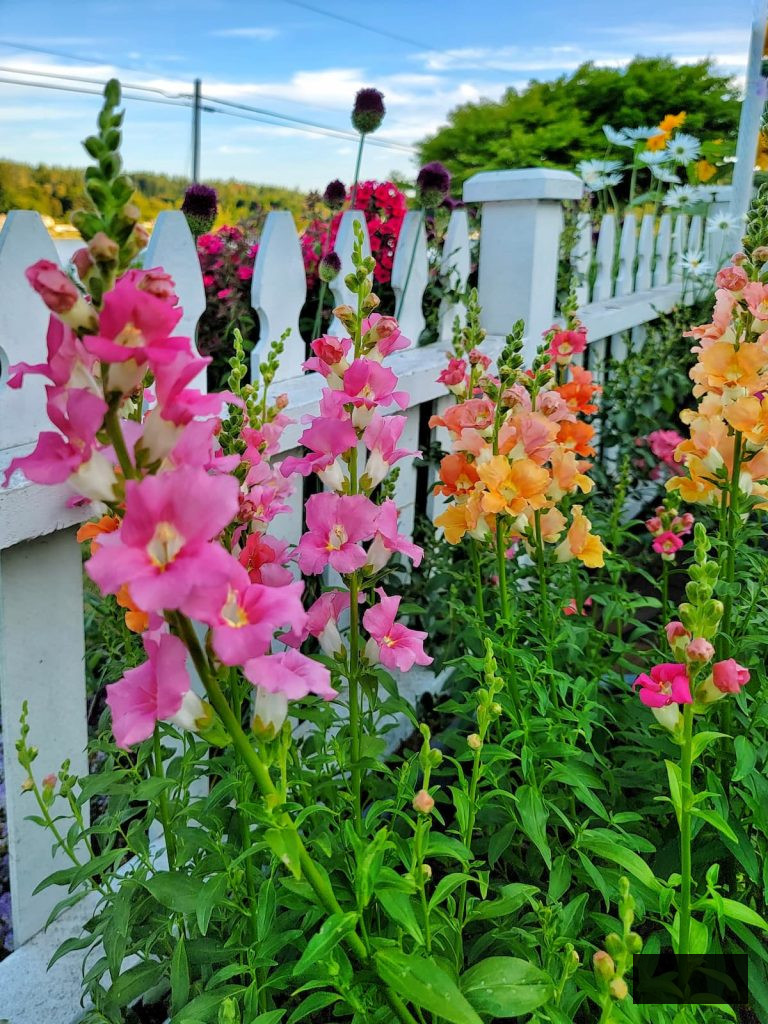
Dull, drooping blooms detract from an otherwise stunning bed. Regular deadheading helps keep your…
landscape appearing vibrant and well-maintained, even when you haven’t found time for anything else.
Encourages Robust Growth
Aged, withering blossoms can lure insects and harbor illness. Eliminating them quickly assists in maintaining a tidy garden and lessens the circumstances that attract issues.
Regulates Where Plants Self-Seed
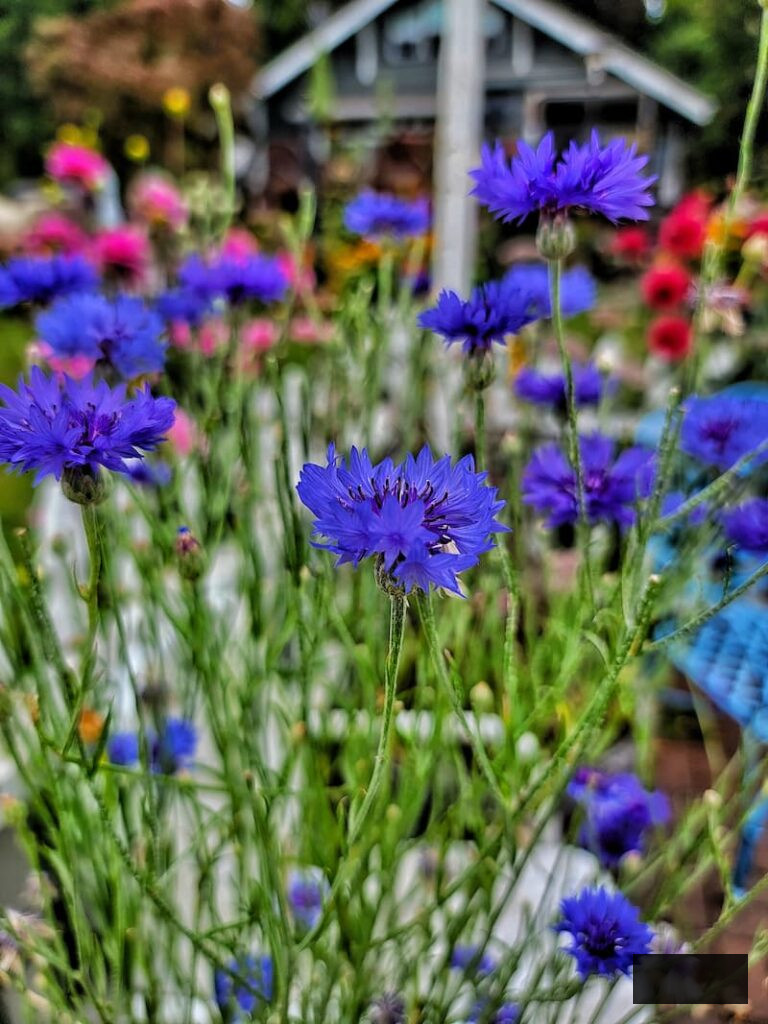
If you wish to prevent cosmos from sprouting in every nook of your garden next spring, or bachelor’s buttons from dominating a patch, deadheading prior to the seeds ripening grants you much greater authority over where plants emerge.
Prolongs the Blooming Season
Numerous plants will blossom until frost if you keep up with deadheading. It’s the most dependable method to extend the display of color in your garden for as long as possible.
Which Blossoms Require Deadheading?
Not all flora in the garden necessitates this level of care, but many do reap the benefits. Here’s a useful overview.
Flowers That Thrive with Deadheading
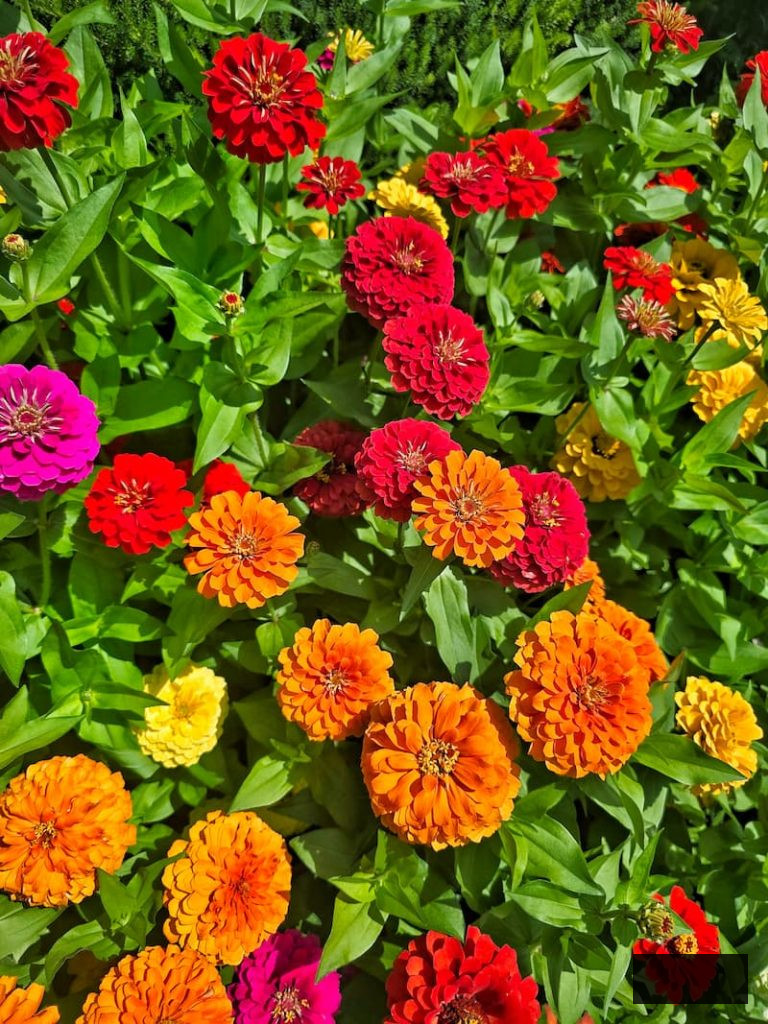
These florae will provide you with more flowers and an extended blooming period when you consistently eliminate faded blossoms:
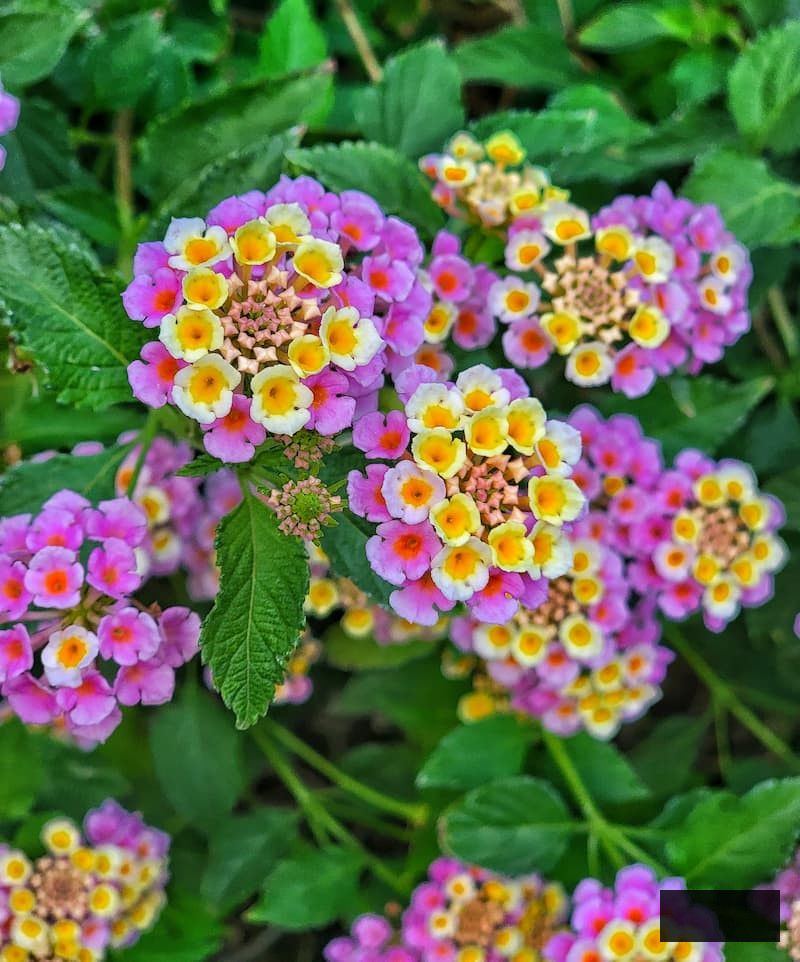
Annual Flowers That Don’t Require Deadheading
Certain contemporary annuals are self-cleaning, meaning they shed their old blooms independently. These can generally be left to their own devices:
Perennial Blooms That Don’t Require Deadheading
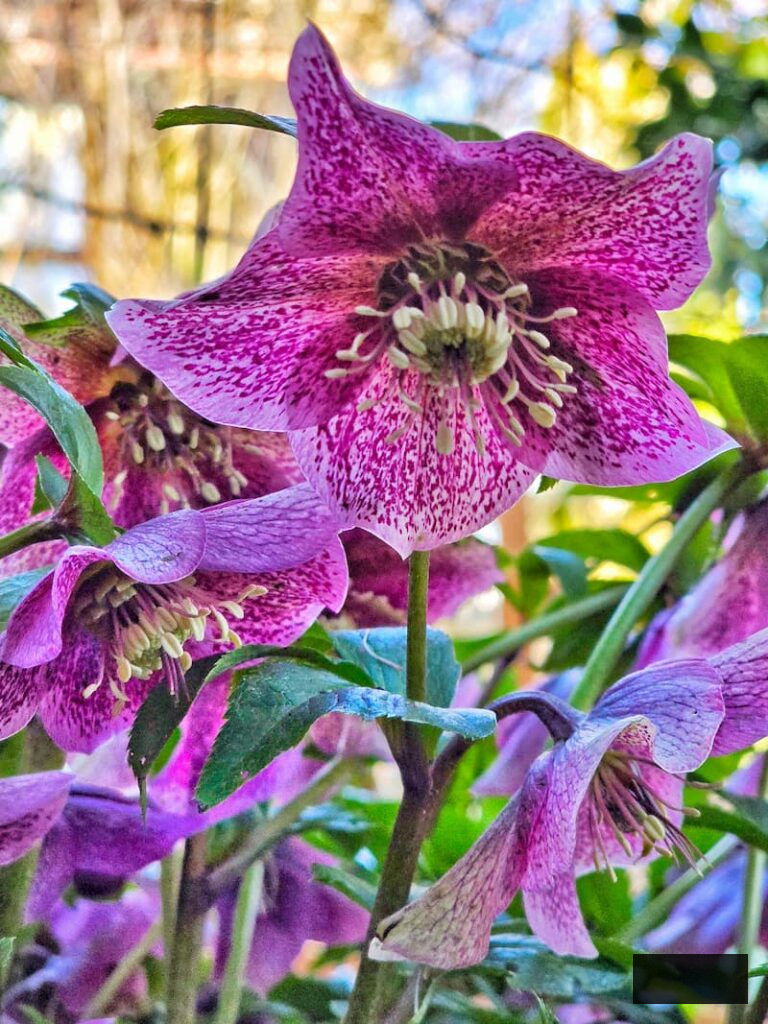
These generally maintain their neatness independently, or don’t benefit significantly from the removal of faded blooms:
When to Omit Deadheading
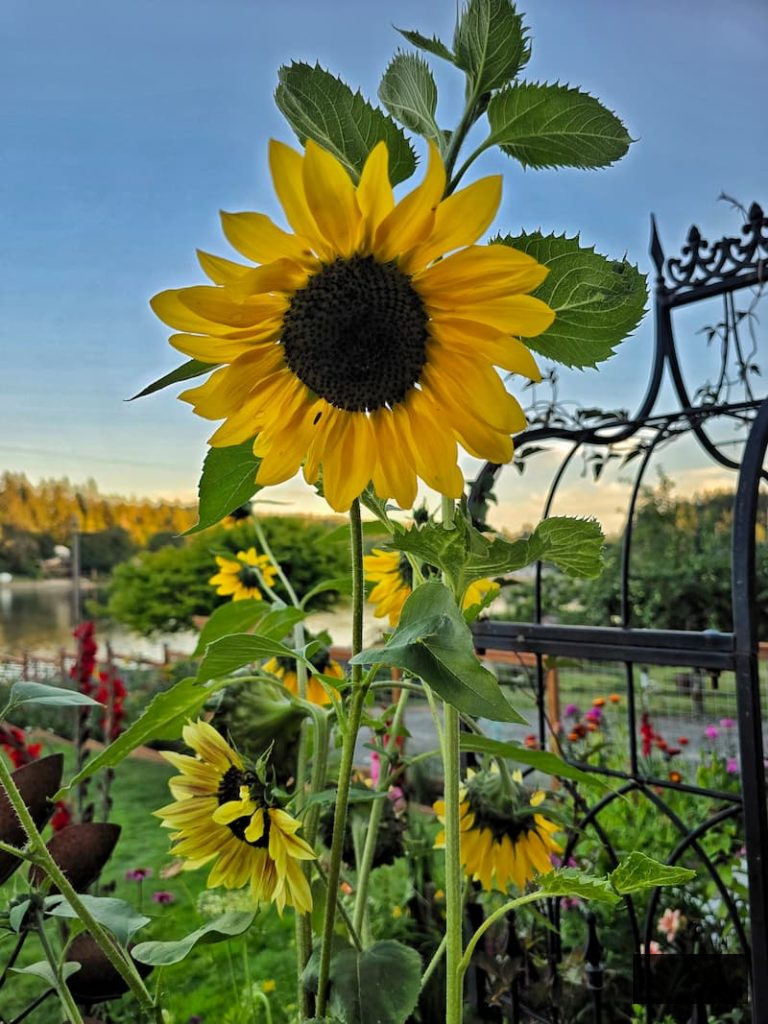
At times, retaining faded blooms is the appropriate choice, particularly if you’re aiming to assist wildlife or preserve seeds. A few worth maintaining:
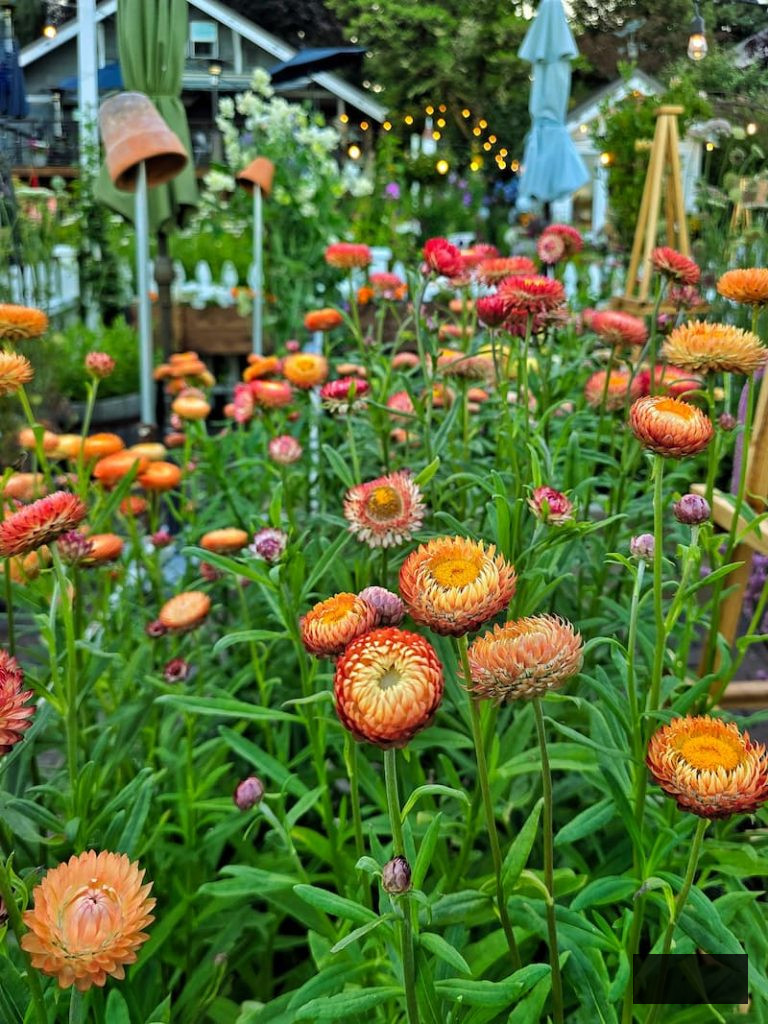
I consistently deadhead my cosmos and zinnias diligently throughout the summer, but I begin allowing them to go to seed in September. A few intentionally scattered cosmos seeds in the spring provide a delightful surprise.
LET’S GO SHOPPING FOR
Garden Supplies and Equipment
Explore my preferred garden supplies and equipment for the growing season. Whether it’s potting soil or deer deterrent, you’ll discover what I utilize in my garden.
How to Properly Deadhead Flowers
The method is straightforward, yet performing it accurately yields significant results. Here’s how to begin.
Which Tools Are Necessary?
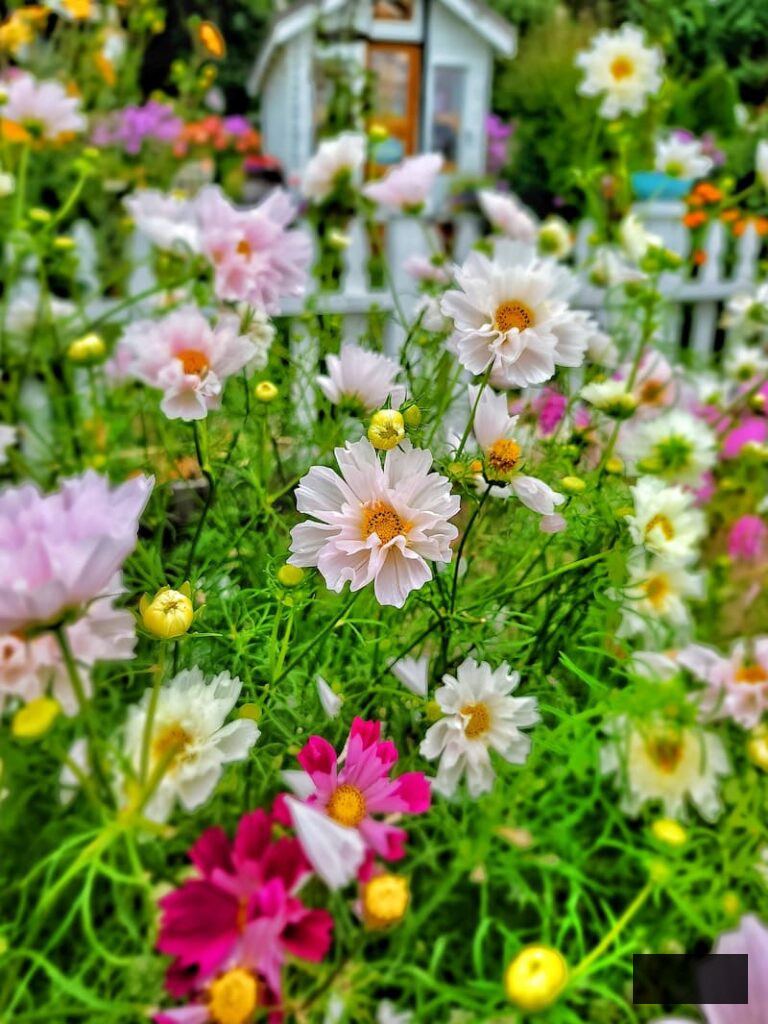
Maintain your tools in a clean and sharp condition. Blunt blades can damage stems and facilitate disease entry, which is particularly vital when handling dahlias or roses.
A quick cleaning with rubbing alcohol between plants is advisable if any appear infected.
Timing for Deadheading
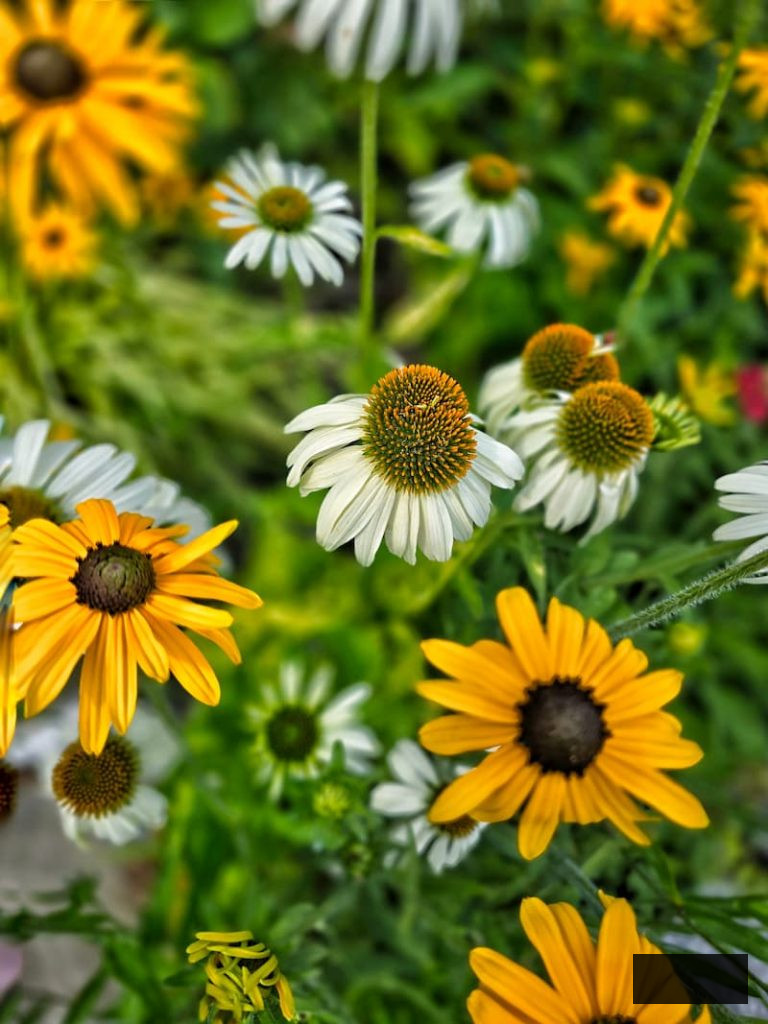
Inspect your plants weekly. You’ll recognize it’s time when flowers begin to wilt, droop, or turn brown at the edges. The sooner you address them, the quicker the plant can rejuvenate with fresh buds.
As autumn nears, ease off. Allow some seed heads to form for birds, and let the plant begin its natural descent towards dormancy.
Cutting Location
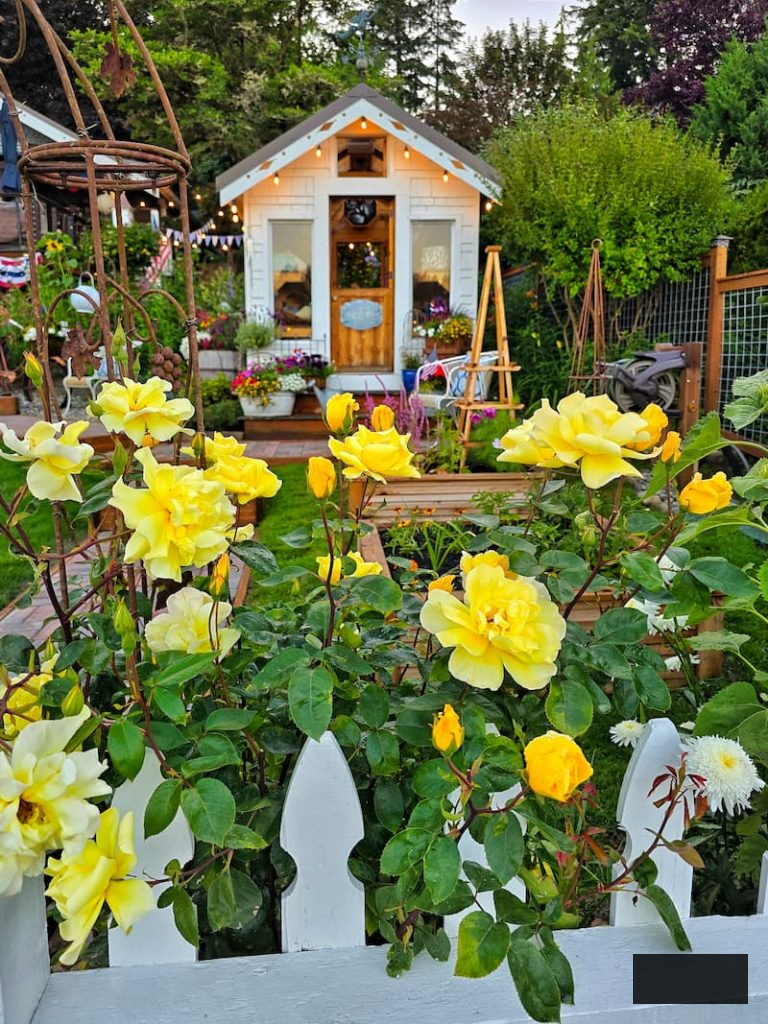
Look for the first robust leaf, bud, or branching point beneath the faded bloom. That’s your target. Snip or pinch just above it.
If you cut too low, you risk taking away future buds. And if you don’t cut low enough, you’re merely trimming petals without redirecting energy. The ideal spot is the first healthy joint below the spent flower.
Quick Reference by Bloom Type
Step-by-Step: How to Deadhead Most Blossoms
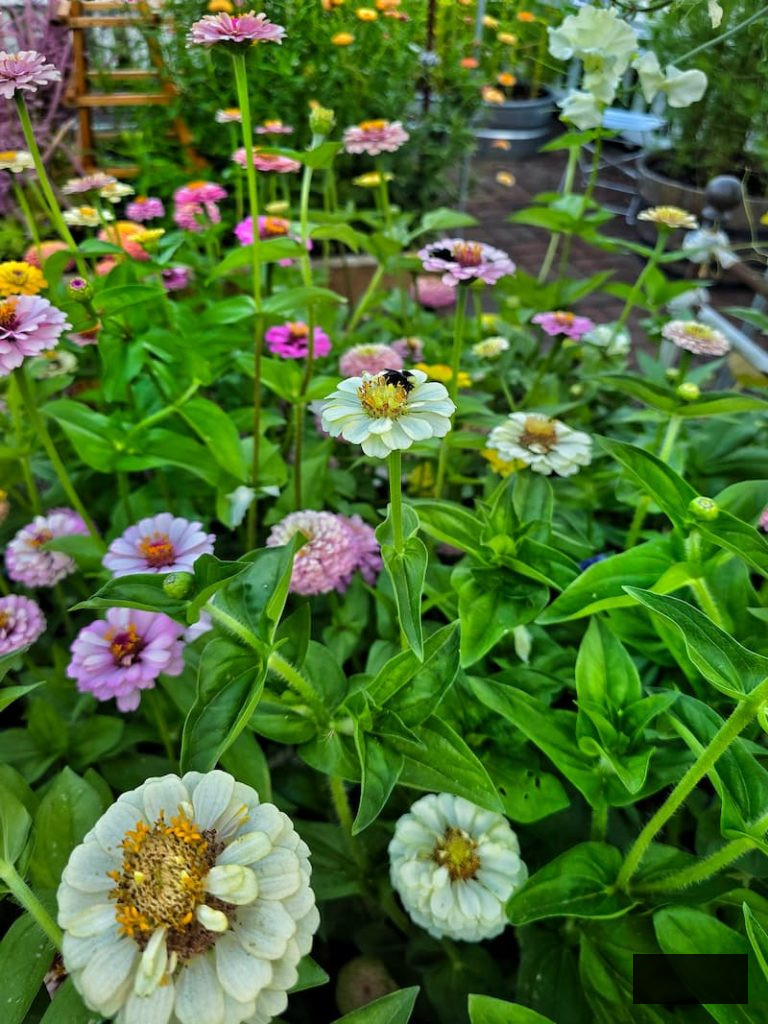
- Recognize wilting or faded blooms
- Find the first healthy leaf or bud beneath the spent flower
- Snip or pinch just above that point using sanitized pruners or your fingers
- Dispose of the faded flowers. Compost them if disease isn’t a concern
- Repeat every few days to weekly for optimal results
Deadheading Based on Flower Type
Several popular flowers have unique characteristics worth understanding.
Deadheading Roses
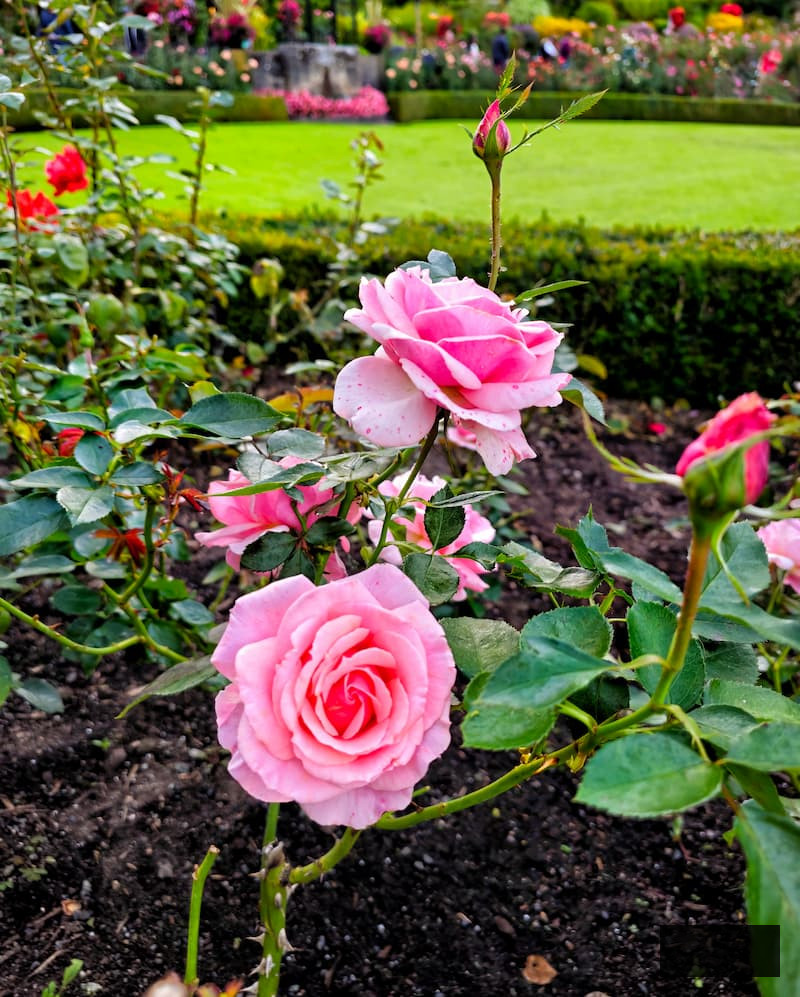
Cut above the first five-leaflet set below the faded bloom. For those that bloom repeatedly, staying proactive with this task is essential to keep them producing throughout the season. A rose that is allowed to set seed has little incentive to continue blooming.
Deadheading
Dahlias
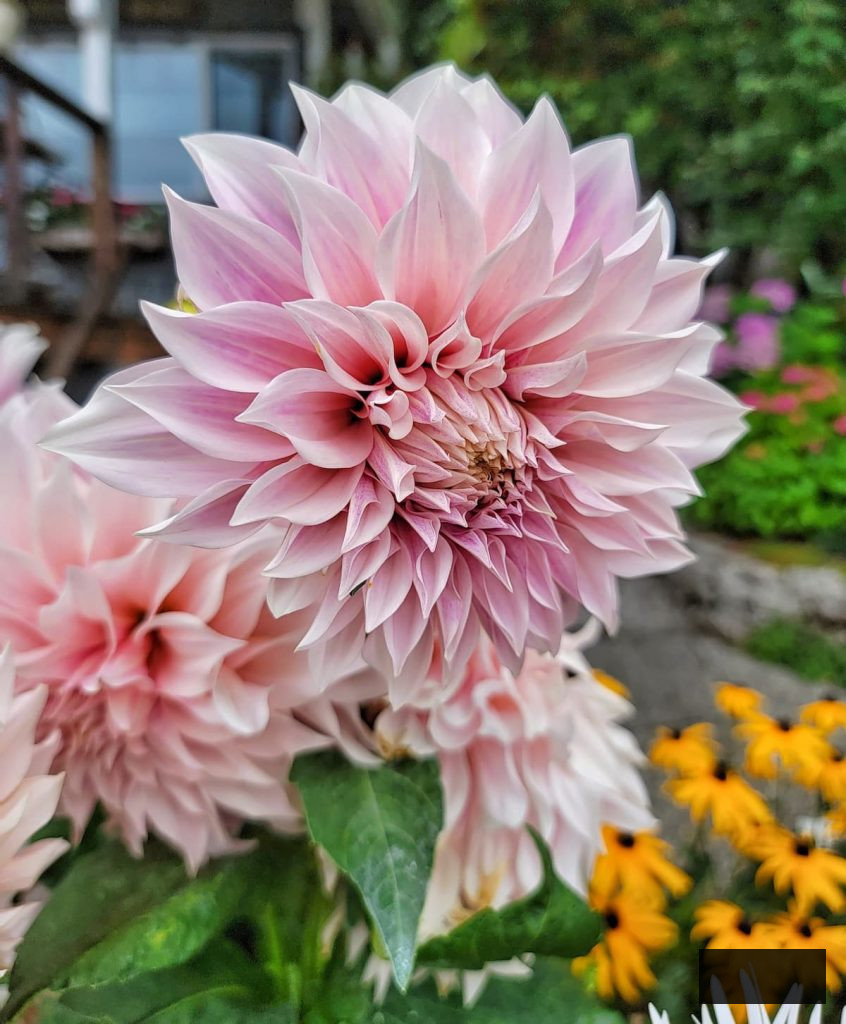
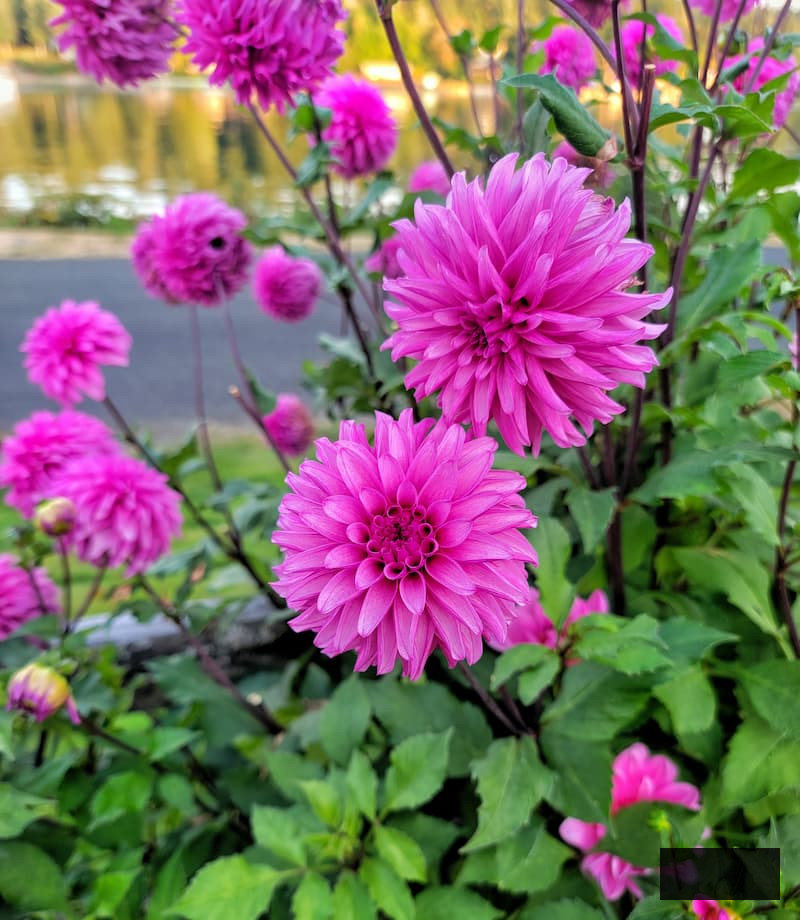
Trim back to a leaf node or stem junction. One aspect that confounds many gardeners is that distinguishing a faded bloom from a closed bud can be straightforward.
Examine the base. A waning flower possesses a rounded, soft base, while a fresh bud culminates in a sharp point. Once you’ve identified the variance, you will not confuse them again.
Deadheading Geraniums
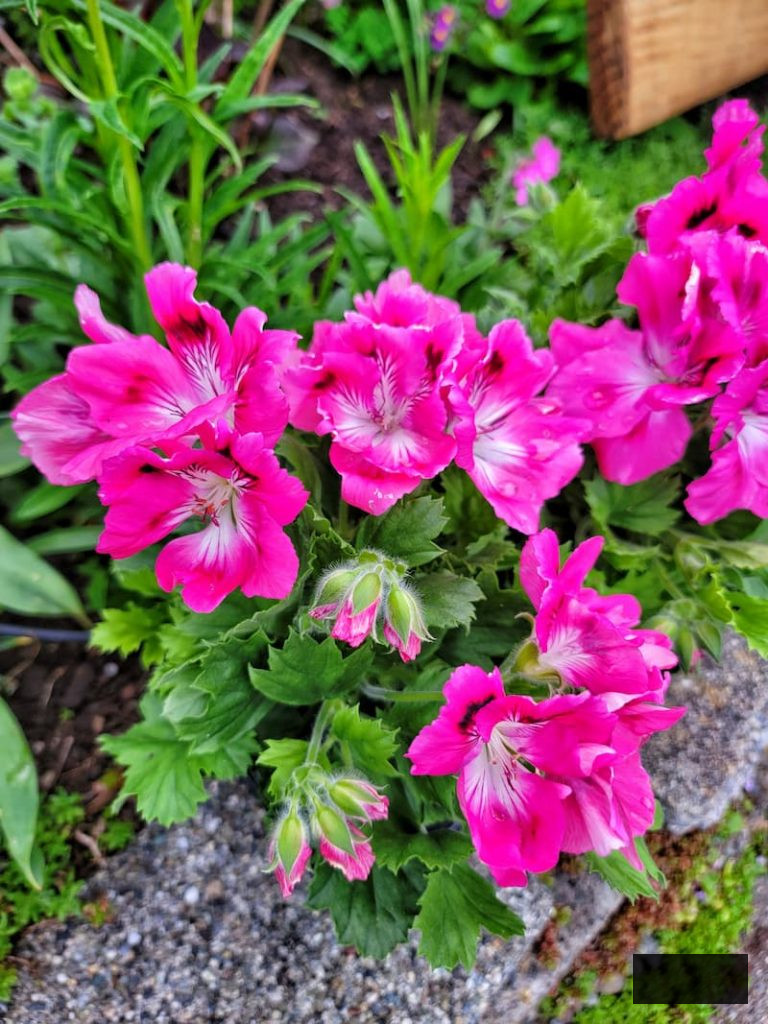
Detach the entire flower stalk when it begins to fade. Not just the separate blooms, but the complete stem, back to where it connects with the plant. New buds will emerge from below.
Deadheading Cosmos
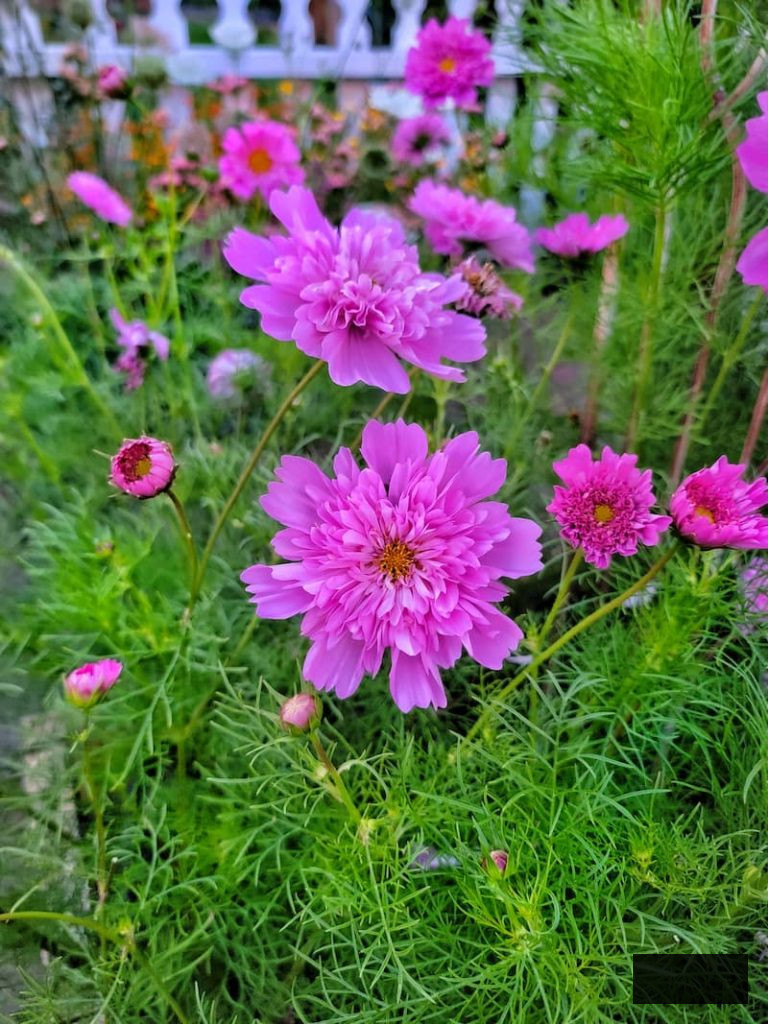
Utilize your fingers or scissors to eliminate faded blooms just above a cluster of leaves or a branching point. Cosmos are generous plants. Persist with the deadheading, and they’ll flower from midsummer well into autumn.
Each year, I cultivate Double Click and Purity varieties, and regular deadheading is the sole factor that prolongs their blooming.
Deadheading Sunflowers
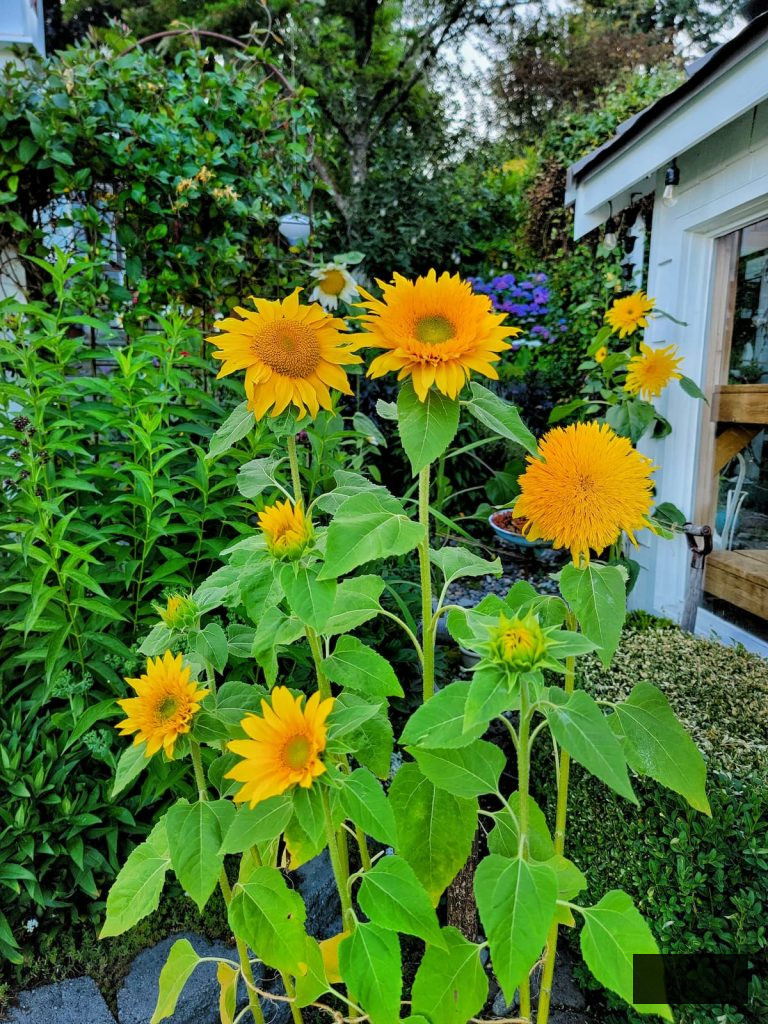
For branching varieties, deadheading faded heads stimulates additional side blooms. Single-stem types do not yield more flowers in any case, so avoid deadheading and allow them to set seed for the birds.
Deadheading Salvia
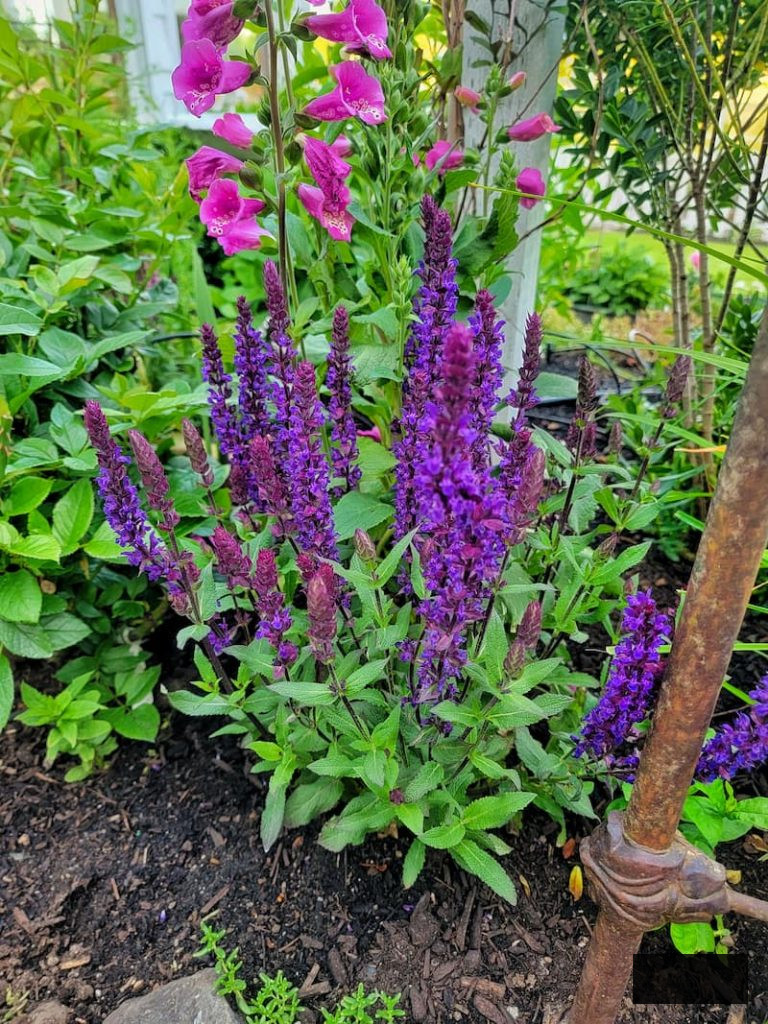
Prune back all wilted flower spikes to just above the subsequent set of leaves. Most salvias will rebloom multiple times if you keep on top of this throughout the summer.
Deadheading Petunias
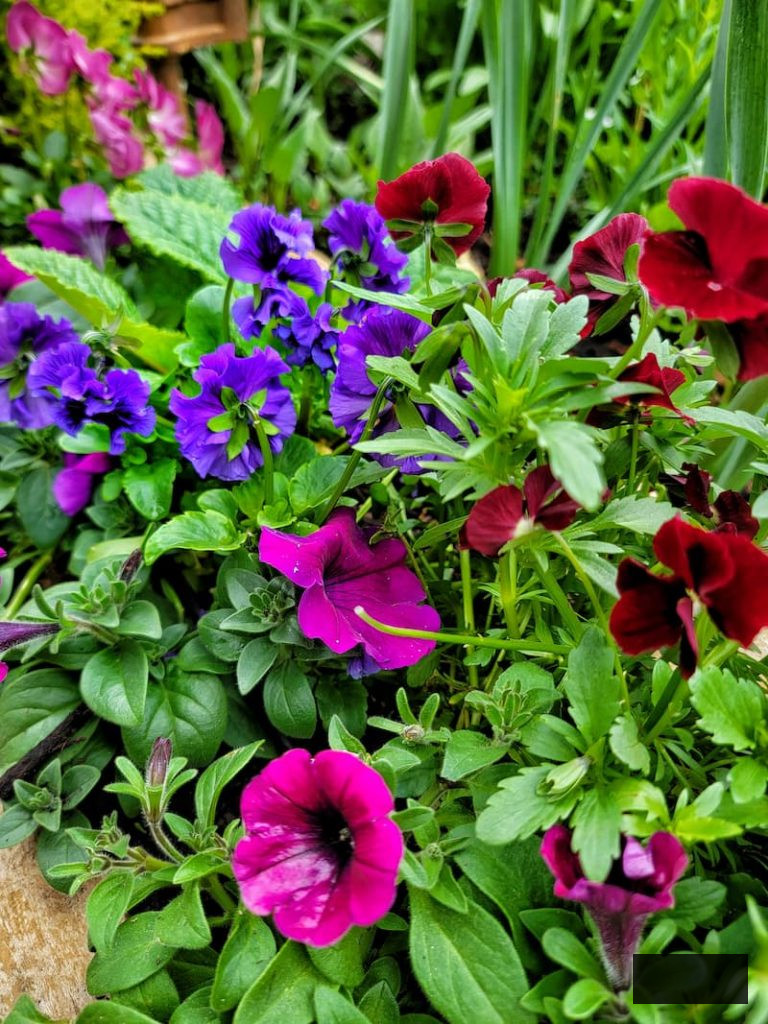
Pinch off faded flowers along with the small green seed pod situated just behind the bloom. If you merely remove the petals and leave the pod intact, the plant continues to expend energy on seed creation. Obtaining that base is the crucial step that many individuals overlook.
Frequently Asked Questions About Deadheading
What Happens When You Deadhead Flowers?
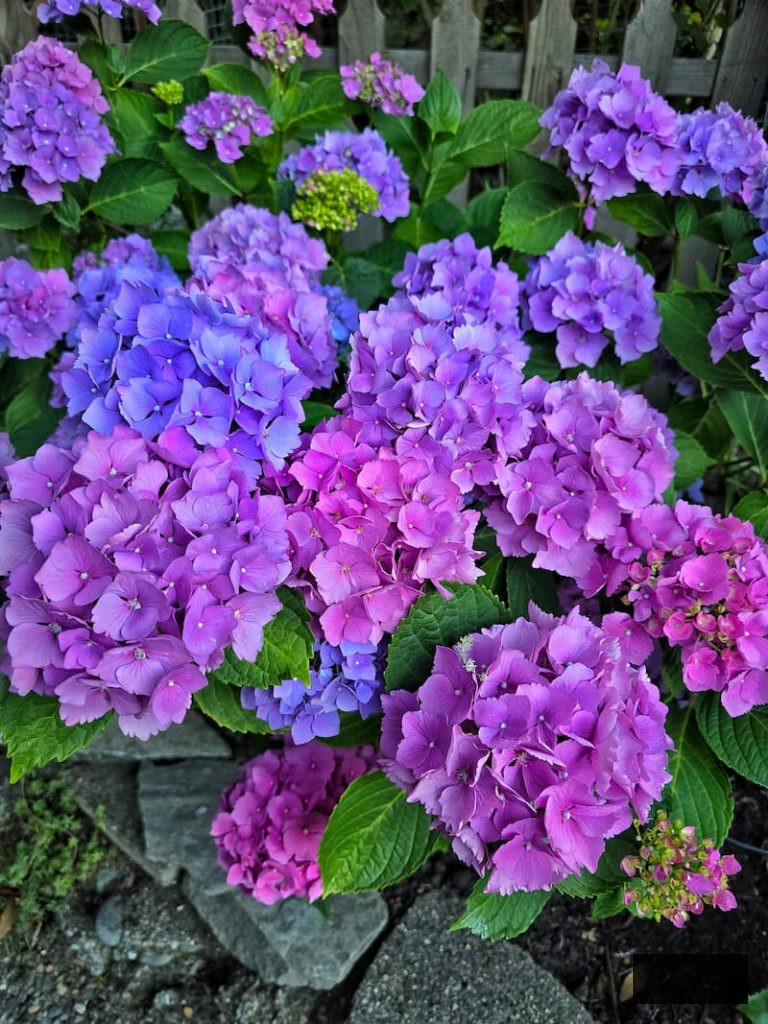
You are redirecting the plant’s energy from seed production back into flowering. The plant perceives the removal of a wilting flower as an indication that its task is not yet complete, prompting it to continue blooming. Most plants will react with fresh buds within a week or two.
What Happens If You Don’t Deadhead Flowers?
Numerous plants will slow down or cease blooming completely after producing seeds. Their role is considered fulfilled, from their point of view. Some may also self-seed more vigorously than you may desire.
That being said, myriad plants will bloom adequately without any deadheading, particularly the self-cleaning varieties commended above.
Do Flowers Grow Back After Deadheading?
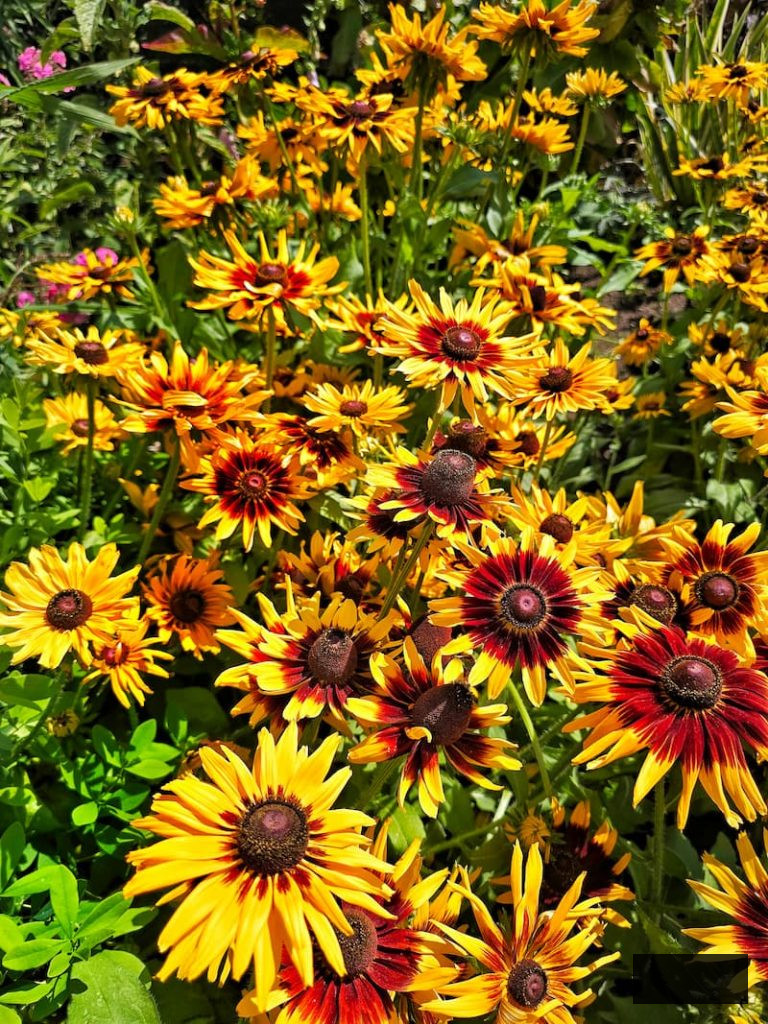
Indeed, that’s the ultimate goal. Extracting wilted blooms does not harm the plant. It prompts it to generate new buds and prolong its flowering period. You are not pruning the plant back; you are merely removing what has finished so it can concentrate on what lies ahead.
When Should I Stop Deadheading Flowers?
From late summer to early fall is typically a natural…
a concluding phase for the majority of gardens. As the season draws to a close, it is logical to allow specific plants to develop seeds for birds, self-seeding for the upcoming spring, or to indicate the plant to commence its dormancy. There’s no strict guideline.
I typically heed the plant’s direction and reduce my efforts when flowering begins to taper off by itself.
Is Deadheading Equivalent to Pruning?
Not exactly. Deadheading involves the selective removal of faded blooms to promote ongoing flowering. Pruning, on the other hand, is more comprehensive: shaping the plant, cutting back substantial portions of growth, controlling overall size or structure.
Both are beneficial, yet they fulfill distinct functions.
How Frequently Should I Deadhead My Flowers?
Once or twice weekly is sufficient for most gardens during the height of bloom season. A brief stroll through the beds every few days, with snips at the ready, is generally all that is needed to maintain an appealing appearance and ensure the plants keep producing.
Concluding Thoughts on Deadheading Flowers
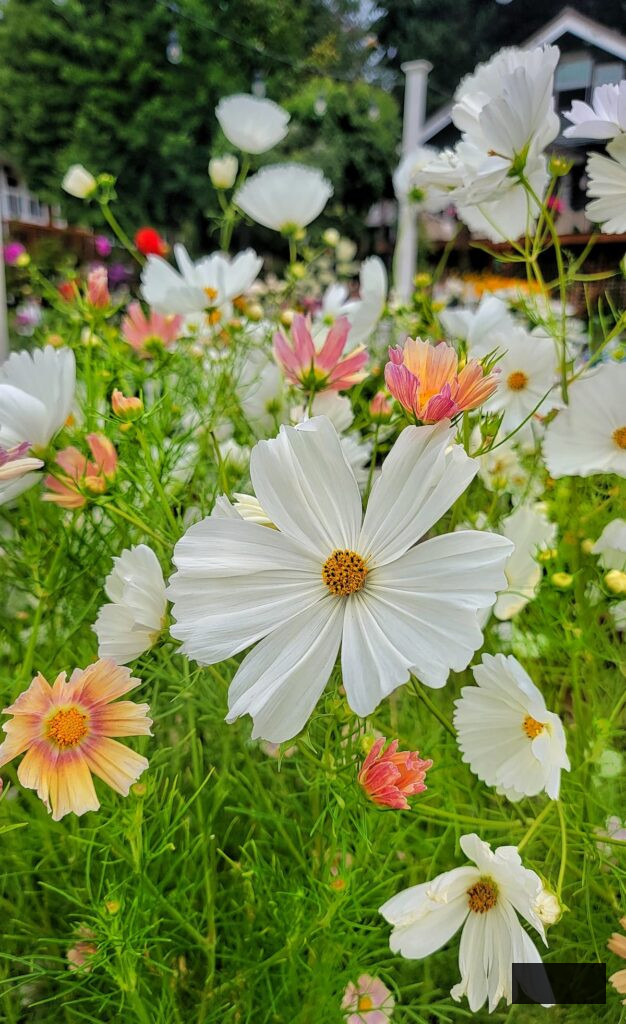
Deadheading is one of those minor gardening practices that subtly enhances everything. It requires only a few minutes, demands no specific expertise, and the benefits become evident within days.
Once it evolves into a routine part of your weekly garden stroll with snips tucked in your pocket and an iced latte in hand, it shifts from being a chore to simply enjoying your time in the garden.
Try it out this week and observe the reaction of your plants. I’m confident you’ll be pleasantly impressed.
Until we meet again,
Happy Gardening!

I’m a self-taught garden enthusiast. All that I convey on my blog reflects my views and what has proven effective for me.
MORE POSTS
For Your Enjoyment
Connect with Me for More Inspiration