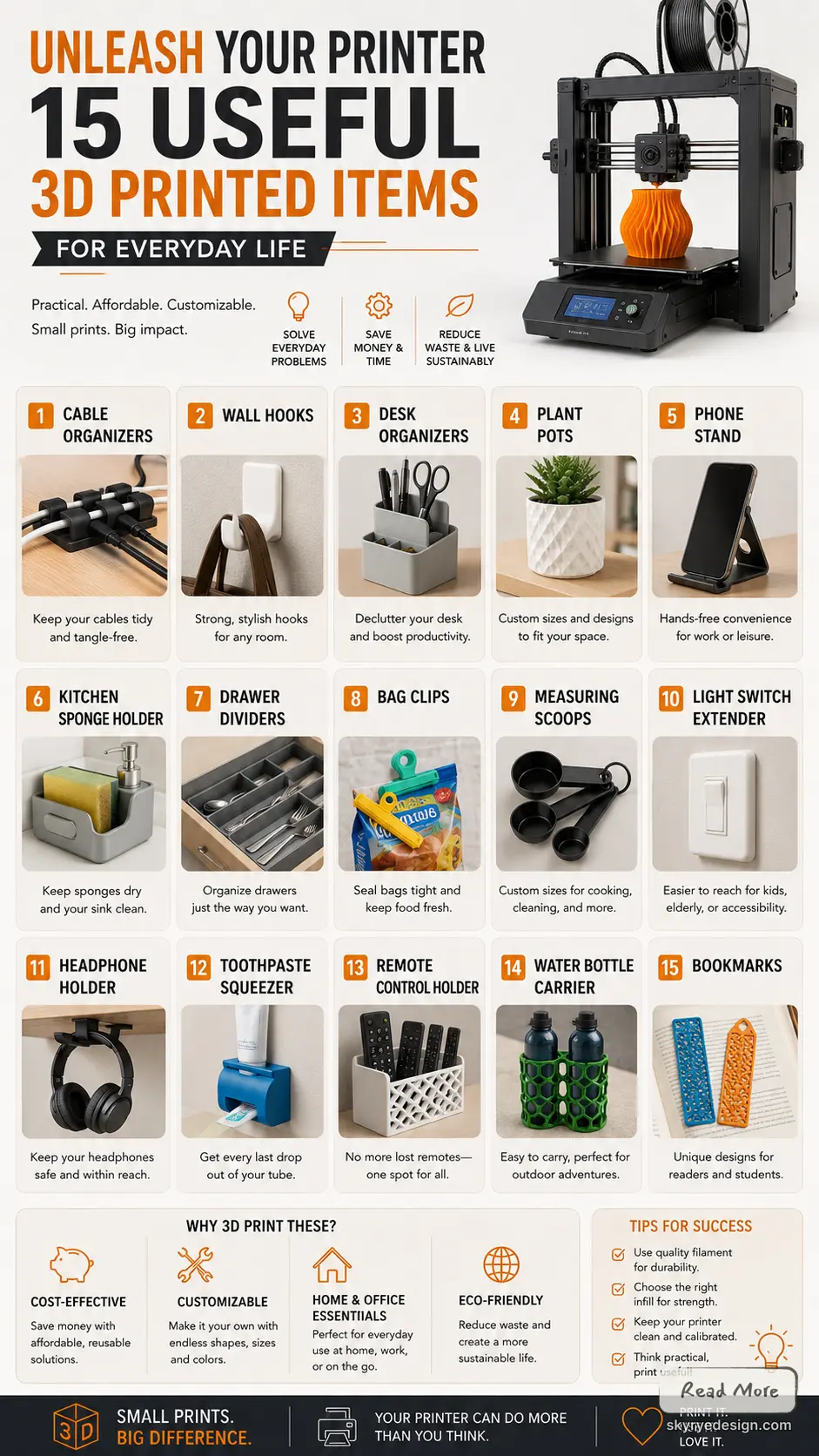
Valuable 3D printed objects are the prints that secure a lasting position on your desk, in your kitchen, or within your toolkit. They tidy up cable clutter, substitute damaged components, organize minor items, or enhance an awkward space within your home.
I would avoid the novelty prints until your printer has accomplished a few actual tasks. A cable clip tailored for the exact cord you possess, a battery tray sized to fit your drawer, or a replacement knob for an old gadget teaches you more than another decorative experimental model.
This compilation highlights 15 practical 3D prints for daily life, along with print-time details, filament recommendations, and the subtle design elements that determine whether a print is functional or merely turns into clutter.
Beneficial 3D printed objects that are worth the filament
The most beneficial 3D printed objects possess three characteristics: they address a specific issue, they can be measured or tailored, and they are created from a filament that is appropriate for the task. PLA is suitable for desk clips and organizers. PETG works better for bathrooms, kitchens, mild heat, and flexible parts. ASA or another weather-resistant material is more logical for sun and environmental exposure.
| Print type | Optimal use | Recommended filament | Reason for utility |
|---|---|---|---|
| Cable clips | Desk, nightstand, entertainment setup | PLA or PETG | Quick to print and simple to resize for precise cables |
| Desk organizers | Writing instruments, tools, memory cards, small items | PLA | Custom sections outperform generic trays |
| Kitchen holders | Sponge, pod, bag clip, tablet support | PETG | Handles moisture and daily usage better than PLA |
| Bathroom storage | Razor holder, shower organizer, toothbrush holder | PETG or ASA | Moisture resistance is more crucial than appearance |
| Replacement components | Knobs, supports, clips, adapters | Adapt to stress and heat conditions | A small printed component can save the entire item |
1. Cable management clips and organizers
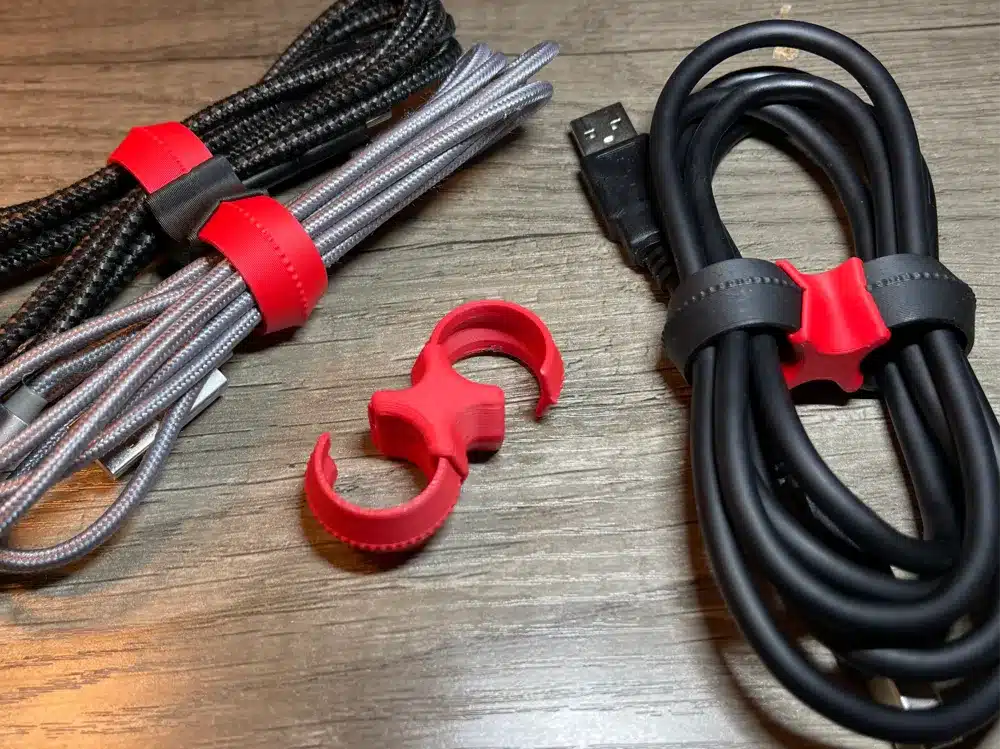
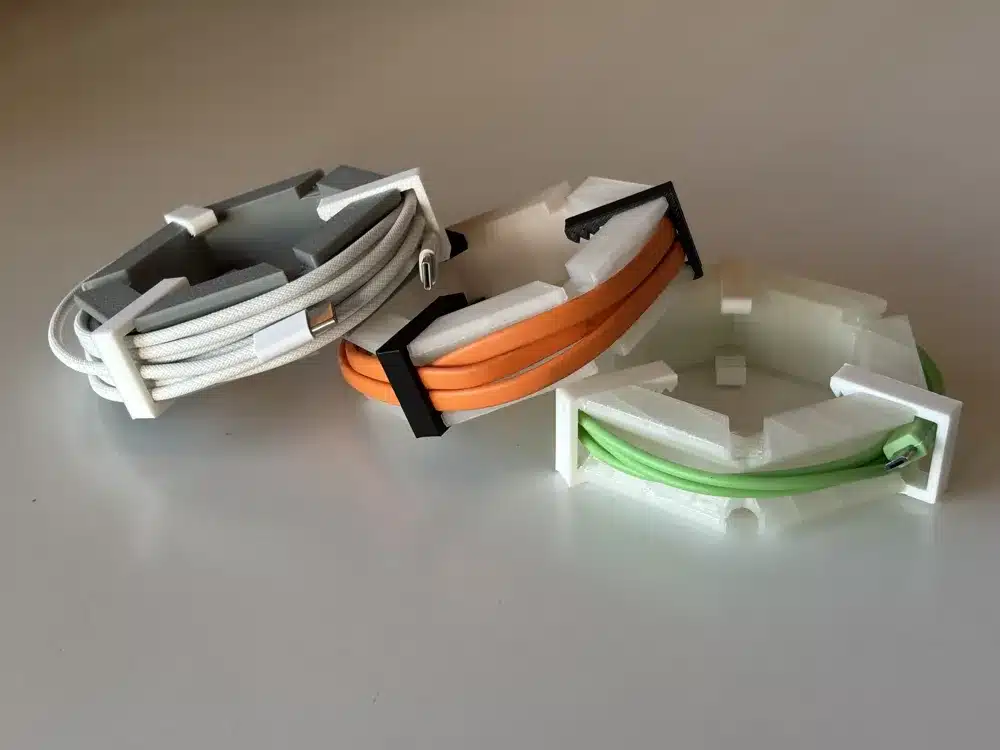
Cable disarray is a common issue. Behind every desk, entertainment center, and nightstand resides a mess of charging cables, HDMI wires, and power strips competing for space. Pre-made cable clips are available, but they’re either too small, too large, or intended for cables you don’t possess.
3D printed cable management addresses this specifically. I’ve printed clips designed for my exact cable sizes—USB-C charging cables (3.5mm), ethernet (6mm), and power cords (7mm)—each with the proper grip tension. They are mounted where I need them: on the edge of my nightstand for the phone charger, beneath the desk for the keyboard cable, behind the television for the HDMI collection.
The true advantage lies in iteration. My initial cable clip design was too loose. Five minutes of tweaks in the slicer, another 20-minute print, and version two held perfectly. Try achieving that type of customization from Amazon.
Print time: 10-30 minutes per clip
Recommended filament: PLA for indoor use, PETG for areas with heat exposure
Tip: Print with 100% infill for optimal grip strength
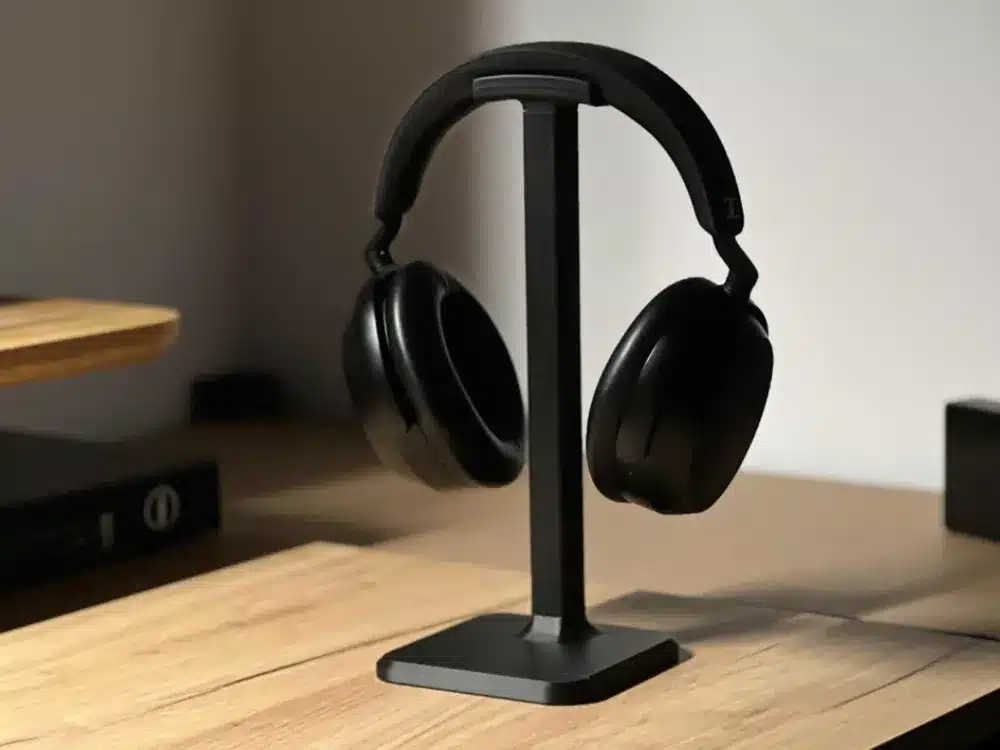
2. Customized Headphone Stands
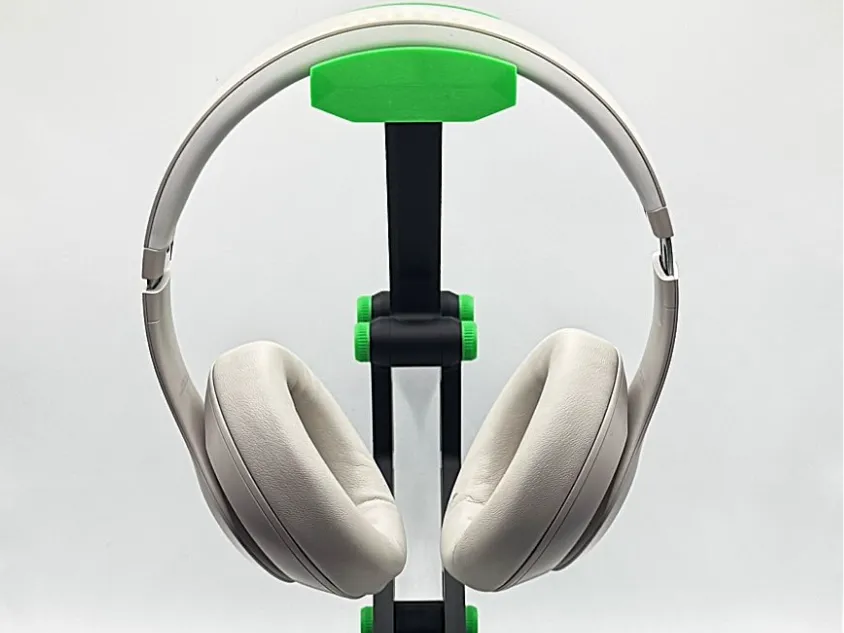
Quality headphones merit more than being tossed on a desk or hung from a monitor edge. The ear cups compress, the headband stretches, and cables become tangled. A decent stand costs $20-50 for something generic that may not even fit your specific pair.
I’ve printed stands tailored to my headphones’ precise measurements—the curve of the headband, the width of the ear cups. The outcome is a stand that holds them perfectly without applying pressure on the padding. Some designs include a hook for the cable, a small tray for the dongle, or even a slot for a USB hub.
Beyond functionality, there’s the customization aspect. My current stand features a hexagonal base that complements my desk style. It cost roughly $0.50 in filament and took two hours to print.
Print time: 2-4 hours based on complexity
Recommended filament: PLA or PETG
Tip: Utilize tree supports for overhanging headband curves—simpler to remove and cleaner finish
3. Modular desk organizers for efficient workspace storage
Retail desk organizers presume that all users have the same pens, scissors, and sticky notes. This isn’t the case. My workstation has mechanical pencils (5.5mm diameter), Micron pens (9mm), and a bunch of USB drives needing individual compartments.
Modular 3D printed organizers enable you to construct precisely what you require. I began with a basic pen holder, subsequently incorporating interlocking units: a slot for my phone, a tray for paper clips, and a holder for my X-Acto knife. When my requirements shifted, I created a new module and replaced it.
The adaptability is significant. Many commercial organizers are one-piece constructions—if one compartment fails, the entire unit is ineffective. With printed modules, you can modify a single piece without needing a complete replacement.
Print time: 30 minutes to 2 hours per module
Recommended filament: PLA for most applications
Tip: Design with a 0.2mm tolerance between interlocking components for a snug fit
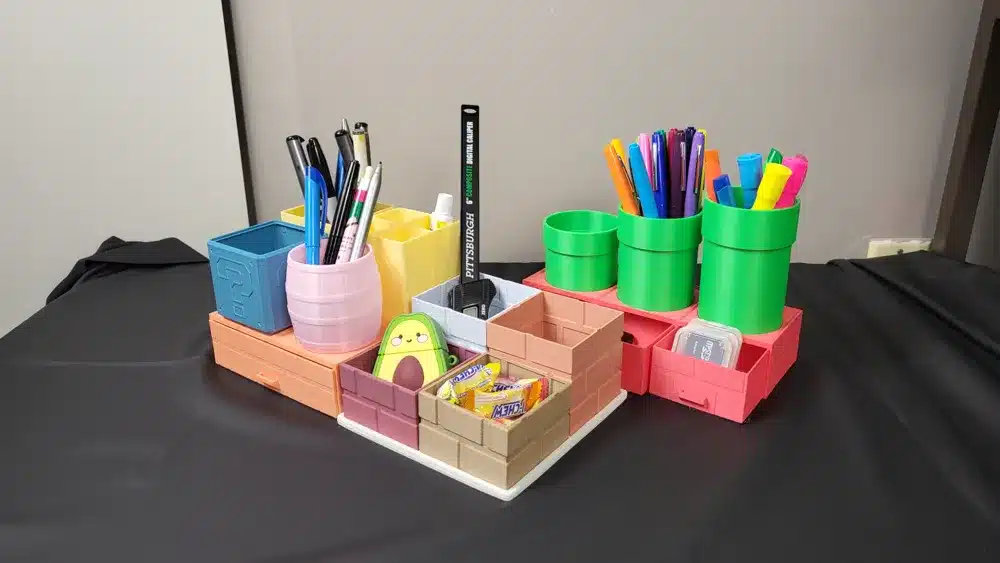
https://makerworld.com/en/models/144270-modular-mario-desk-organizer?from=search#profileId-156852
Effective workshop organization distinguishes productive creators from the frustrated ones. Every minute spent searching for the correct hex key detracts from building. Commercial tool organizers are available, but they cater to generic tool assortments—not your precise mix of brands and sizes.
I’ve created holders tailored to my exact screwdriver set, bit organizers that align with my drill collection, and drawer inserts tailored to my toolbox dimensions. Each tool has its designated location. When something is absent, I notice instantly.
The accuracy is crucial. A hex key holder with slots that are 0.5mm too large allows tools to jostle and fall out. 3D printing permits you to measure your tools accurately and design slots that fit snugly. My 4mm hex key slot is precisely 4.3mm—tight enough to hold securely, yet loose enough for easy removal.
Print time: 1-4 hours based on dimensions
Recommended filament: PETG for durability, PLA for light tasks
Tip: Print tool holders vertically for optimal layer adhesion and grip strength

5. Practical 3D printed kitchen gadgets
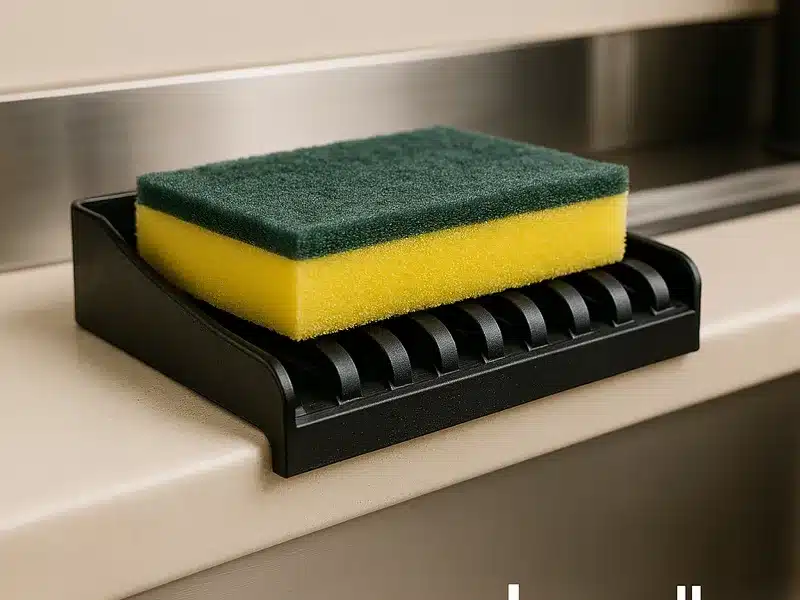
Kitchens are filled with minor irritations that 3D printing adeptly resolves. Bag clips that genuinely seal cereal bags. A holder for your specific brand of sponge. A drain cover that captures food particles without obstructing water flow.
My most-frequently used kitchen print is a simple spoon rest that fits my countertop corner perfectly. Store-bought alternatives were either oversized or the wrong shape. The printed version fits neatly into the corner beside my stove, secures two utensils, and doesn’t shift around.
Other handy kitchen prints include: a tablet stand for recipes (angled for reading while standing), a coffee pod organizer (tailored for my specific pods), and a bag clip featuring an integrated squeeze mechanism (eliminating the hassle of twist ties).
Print time: 20 minutes to 2 hours
Recommended filament: PETG for items near heat, PLA for room temperature use
Note: For anything that comes into contact with food, consider food-safe filament and thorough cleaning—or create designs that don’t touch food directly (holders, organizers, stands)
6. Ornamental and Practical Planters
Locating planters that suit your environment and accommodate your plants is surprisingly challenging. Nursery pots come in standardized sizes; your shelf does not. A 4-inch plant in a 4-inch pot appears cramped in a 6-inch decorative planter, but the 5-inch planter you require…
does not exist.
3D printed pots address the dimensional issue while incorporating features that commercial planters lack. I’ve crafted planters with built-in drainage trays (eliminating the need for a separate saucer), self-watering reservoirs for forgetful plant caretakers, and wall-mounted versions for vertical gardening.
The aesthetic flexibility is equally significant. Want a geometric pot that complements your contemporary decor? Print it. Prefer a textured finish that resembles concrete? Modify the settings. My current planters are basic cylinders with a subtle wood-grain finish—$2 in filament each, precisely the size I required.
Print time: 2-6 hours depending on the dimensions
Recommended filament: PETG for water resistance
Tip: Utilize 3+ perimeter walls for waterproofing; consider a food-safe sealant for additional protection

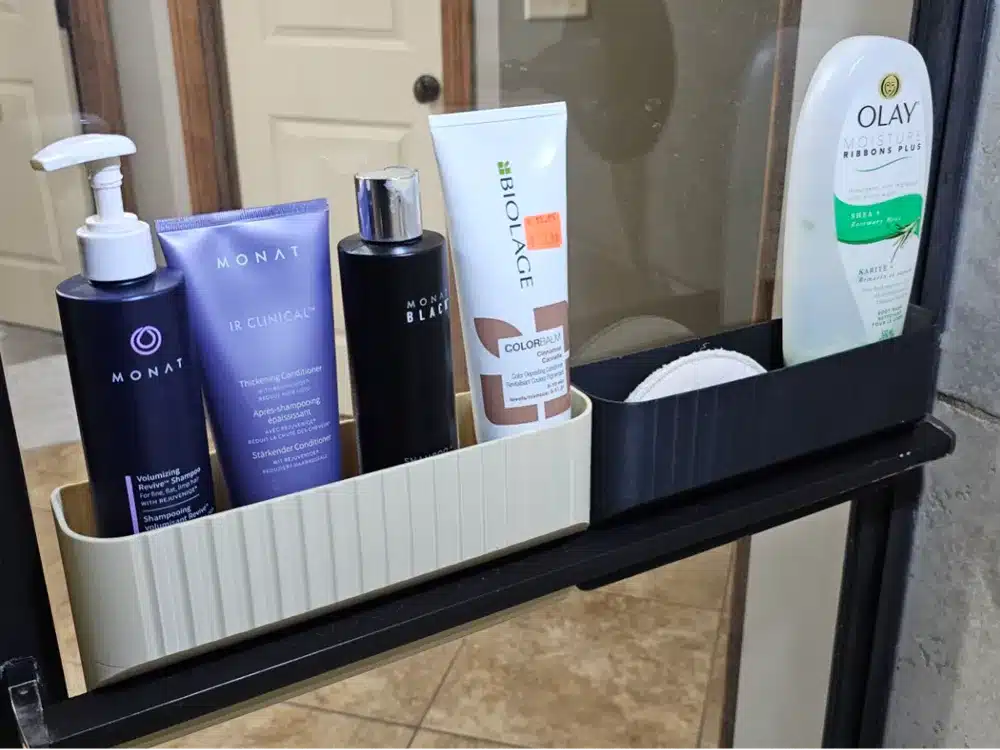
7. Custom Shower Caddies and Holders
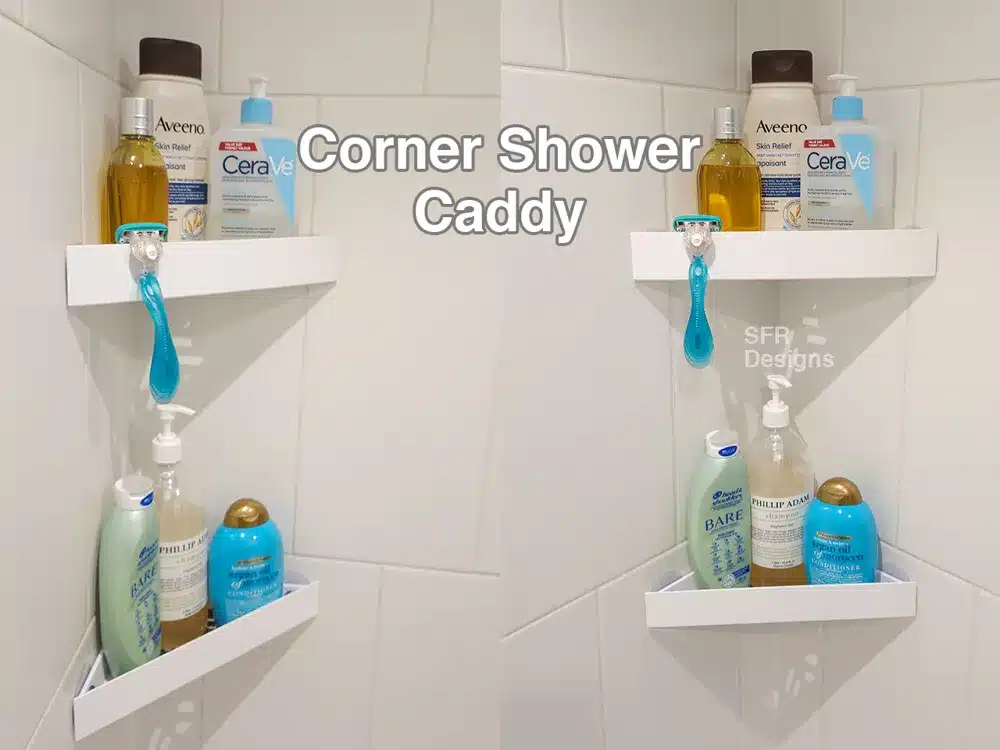
Shower caddies eventually corrode and cease to function. The wire types are the worst, disintegrating within months; Target’s plastic versions simply won’t accommodate your specific bottles. The height of your shampoo container is just a bit too tall for the shelf, which causes it to be stuck at an angle until it is inevitably knocked to the shower floor as you are hurrying to prepare in the morning.
3D printed bathroom organizers are revolutionary – they are crafted to fit your actual items. I measured my shampoo bottle (65mm in diameter, 210mm tall), my conditioner (55mm, 180mm) & my soap bar’s dimensions, then created a caddy that snugly accommodates them all. And the best part? It simply clips onto my existing shower rail & hasn’t dropped a bottle in six months.
The materials selected for the print play a crucial role here. PLA proves rather ineffective in wet conditions – it just breaks apart. PETG, on the contrary, withstands the shower atmosphere remarkably well – I’ve had prints lasting over a year without any warping or degradation evident.
Print time: Expect 3-6 hours
Recommended filament: As noted, PETG exclusively – you truly want to avoid using any moisture-sensitive plastic
Tip: Ensure you design with drainage in consideration, to prevent water accumulation & mildew development
For a broader project overview, utilize the main 3D printing project ideas guide to contrast functional household prints with artistic decor, beginner trials, prototypes, and commercially viable designs.
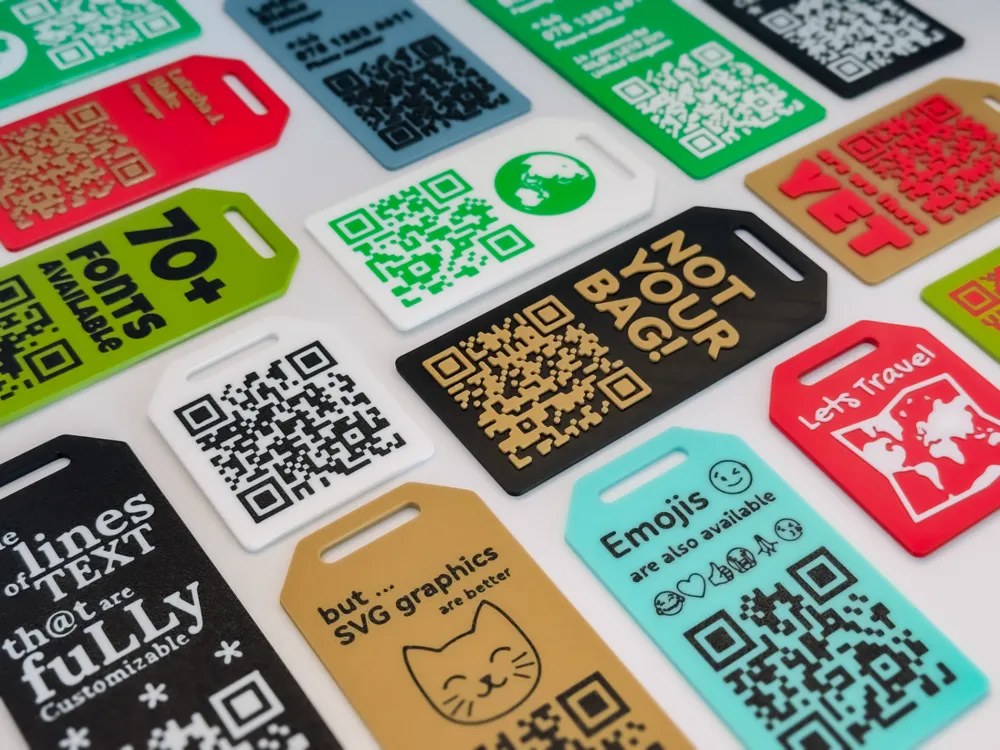
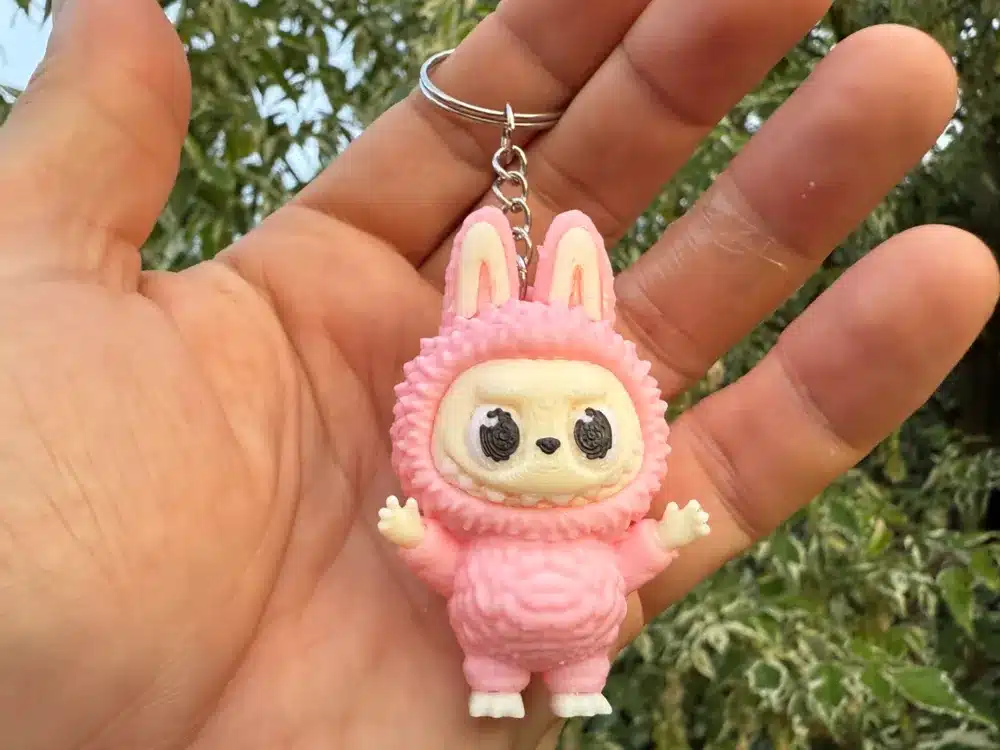
Simple, quick, and truly practical – a customized keychain takes merely 20 minutes to print and allows you to identify your keys at a glance. A personalized luggage tag (your name in large letters on one side, your phone number or email address discreetly placed on the other) makes your bag unmistakable at baggage claim.
These clever prints are perfect for anyone mastering their printer; they don’t consume excessive filament, emerge from the printer swiftly, and you can immediately enjoy the results of your efforts. I personally maintain a collection of custom luggage tags – all vibrant orange and boldly displaying my surname. I assure you, I’ve never misplaced a bag yet.
Print Time: 15 – 45 minutes – depending on the intricacy of the design
Recommended filament: You can’t go wrong with PLA, PETG, or any resilient filament that can endure the challenges of travel
Tip: To ensure your text stands out, use contrasting colors with the background—and make sure the letters are at least 3mm thick to prevent quick wear
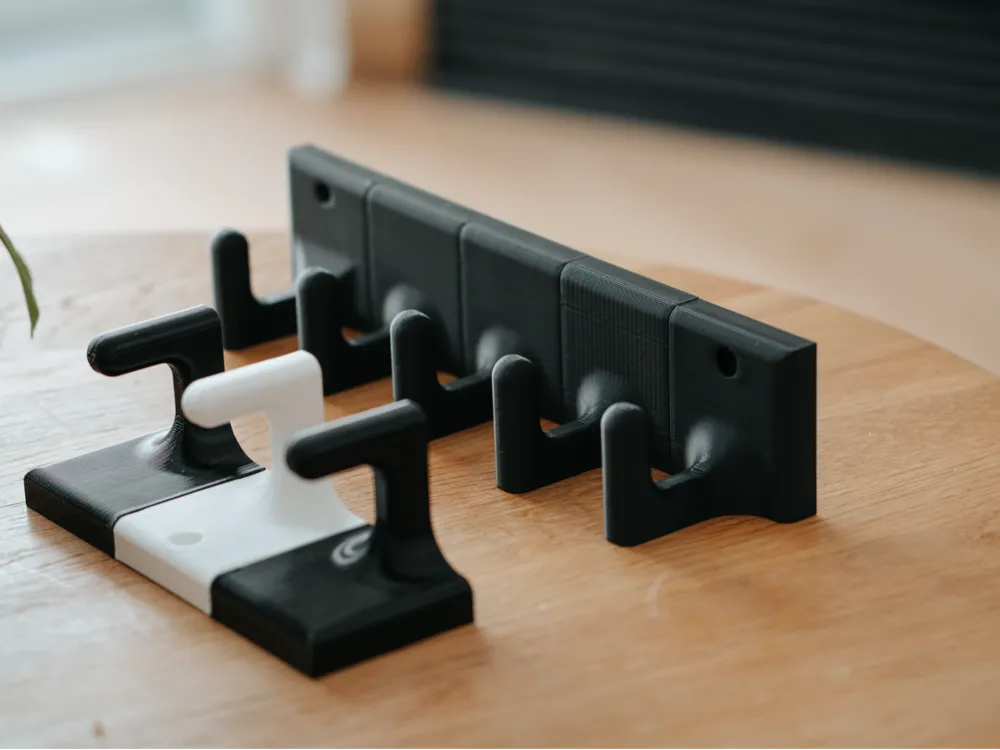
9. Wall Hooks and Mounts for Everything
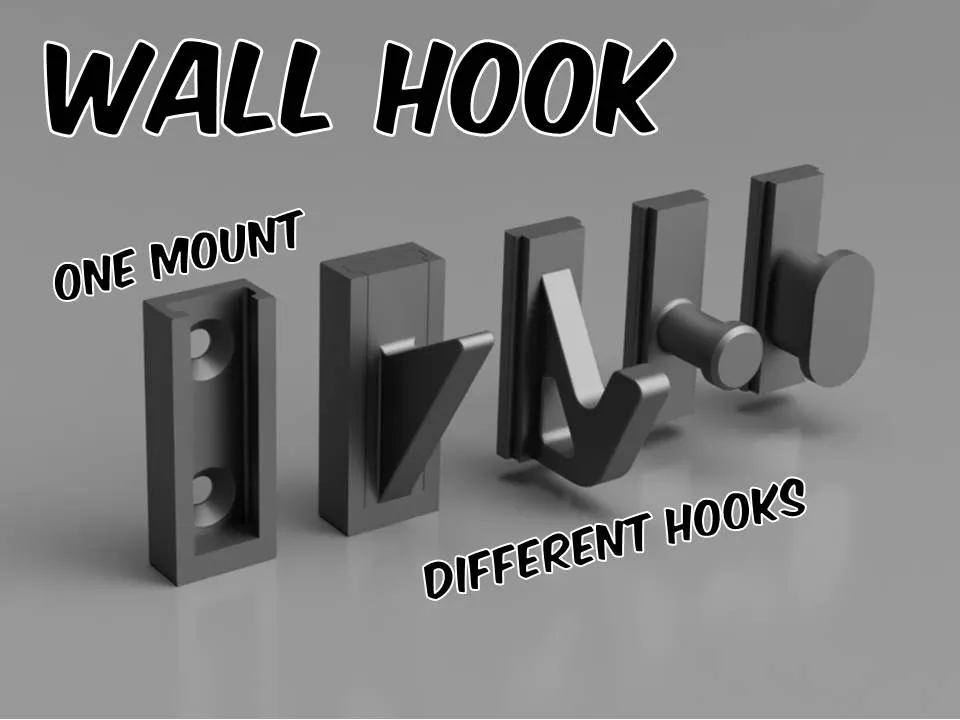
Walls are yearning for some utilization of the storage space they provide. 3D printing allows you to create mounts specific to the items you have lying around – rather than just some partially useful hooks that sort of fulfill the task, but never quite right. What I truly appreciate is being able to devise purpose-built holders that are designed to fit each item you need to hang perfectly.
In my home office, for instance, I’ve succeeded in printing mounts for: my headphones (they’re
fantastic when not caught on that stand thingy), not one but two gaming controllers (crafted to flawlessly correspond with the shape of each one), a smart speaker (tilt it downwards and audio quality is suddenly immensely improved), and my keys (includes a tiny tray for my wallet and loose change). Based on the weight of the item, I generally utilize either command strips or classic screws to adhere them to the wall.
It’s the exact fit that truly renders this type of item worthwhile. A standard hook will merely support a controller in a somewhat random way – but with a tailor-made mount, it’s just ideally cradled, and the controller is snugly secured. It doesn’t attempt to tumble off, or sway or appear as some half-finished effort.
Print time – anywhere from 30 minutes to a few hours
Recommended filament – try PLA or PETG
Tip: when creating these, simply ensure to incorporate a few command strip slots for hassle-free mounting – or if the object is going to be particularly heavy, then add some screw holes for good measure.
10. Battery Organizers
Loose batteries in a drawer result in disorder. You can’t distinguish which are fresh and which are exhausted. They can create short-circuits against one another. You end up purchasing new ones because you can’t find the ones you already possess.
A printed battery organizer alters this entirely. Mine includes designated slots for AA, AAA, 9V, and coin cells, along with sections for “tested” and “untested.” When I retrieve a battery, I’m confident it’s fresh. When I take one from a device, it enters the testing lineup.
The structure is straightforward—essentially a tray with appropriately sized slots—but the everyday utility is considerable. No more acquiring batteries I already have. No more risking shorts due to metal contact.
Print time: 1-2 hours
Recommended filament: PLA
Tip: Add a small compartment for a battery tester if you utilize one.
11. Custom Bookmarks
A quick print with genuine practicality. Paper bookmarks often get misplaced, bent, or overlooked. A 3D printed bookmark is robust, unique, and easy to spot.
I’ve crafted bookmarks that clip onto pages (won’t fall out when the book tilts), corner markers that slide over page edges, and traditional flat bookmarks with sufficient thickness to be felt through the pages. Total printing time is usually below 30 minutes.
These make wonderful small gifts. Print an individual’s name, a significant symbol, or a design aligned with their interests. Cost: approximately $0.10 in filament.
Print time: 15-30 minutes
Recommended filament: PLA
Tip: Print flat bookmarks horizontally for optimal strength; print 1-2mm thick for flexibility without breakage.
12. Personalized Coasters
Practical, customizable, and quick to create. Coasters shield furniture from drink rings and infuse character into your space. Store-bought coasters are standard; printed coasters can take on any form.
I’ve designed coasters with geometric shapes, minimalist aesthetics, and a set where each coaster showcases a different coffee origin (to educate guests about where their coffee comes from as they sip). They act as conversation starters that also fulfill a functional role.
Design suggestion: incorporate a slightly elevated edge to contain moisture, and print with sufficient infill (40%+) to ensure weight and stability.
Print time: 30 minutes to 1 hour each
Recommended filament: PLA or PETG
Tip: Print with a textured upper layer for grip; smooth bottoms avoid scratching furniture.
https://makerworld.com/en/models/535553-relief-coaster-collection-storage-box?from=search#profileId-452413
13. Elevated Pet Bowl Stands and Feeders
Raised food bowls enhance digestion for canines and alleviate neck strain for senior pets. However, ready-made stands often fail to suit both your pet’s height and the bowl’s dimensions.
A bespoke printed stand addresses both issues. Gauge your current bowls, measure from the ground to your pet’s chest height, and craft a stand that fits flawlessly. I created one for my dog that stands 4 inches tall with cutouts for her exact bowl size. Overall cost: about $3 in filament.
In addition to stands, you can also print slow-feeder inserts (maze designs that deter fast eating), treat-dispensing toys, and personalized name tags.
Printing duration: 2-5 hours
Suggested filament: PETG for strength and moisture resistance
Advice: Design with thick walls (2mm+) for stability under bowl weight
14. Doorstops and Wedges
Practical simple items are frequently the ones we neglect. An effective doorstop is just that – it keeps doors ajar when you require ventilation, prevents them from slamming shut while you’re carrying groceries, or holds the workshop door open as you maneuver heavy objects.
Commercial doorstops often come as basic triangles – but you can custom print your own doorstop to perfectly fit your door, with a weight suitable for your flooring, and grip textures that genuinely function as intended.
I’ve custom printed doorstops for three doors in my home – each uniquely crafted for the space between the door and the frame, the weight adjusted for the type of flooring (carpet, hardwood, tile – you name it) and the grip pattern at the bottom tailored to the surface. All three were completed in under two hours.
Printing duration: usually around 20-45 minutes per door
Recommended filament: opt for something robust like PETG or a quality PLA with a high infill setting
Tip: add a grip texture to the bottom of your design, and experiment with the angle a bit before finalizing the print – it makes a significant difference
https://makerworld.com/en/models/614582-doorstop-floor-door-stopper?from=search#profileId-537955
15. Replacement Parts and Adapters for Cost Savings
This is the phase where 3D printing truly becomes revolutionary. A broken $2 plastic component no longer necessitates sending a pricey $200 appliance to the landfill. A missing knob, a fractured clip, a worn hinge – all remedied with a 3D print.
I’ve replaced: a $35 oven knob from the manufacturer, a vacuum clip that disappeared into thin air, a dishwasher basket bracket that broke down after a meager five years, and a car vent clip that failed during a frigid winter.
The math is indeed compelling. Most replacement components cost a shockingly low $0.10-$1.00 in filament expenses. And if the maker still produces them, they often price $20-50 plus shipping. Then, of course, there are times when the parts are simply unavailable – that’s when 3D printing becomes the sole option unless you’re willing to replace the entire unit.
Printing duration: Extremely variable – some prints are completed in a flash, while others take quite a while
Suggested filament: Choose one that resembles the original material – PETG for flexibility, PLA when rigidity is required, and ASA if it’s to be exposed to outdoor conditions or heat
Tip: Be meticulous when measuring the damaged part – design with at least 0.2mm-0.3mm clearance for components that need movement
How to select practical items
to 3D fabricate
A few guidelines differentiate between valuable prints and filament refuse:
Choice of filament is essential. PLA is suitable for most indoor creations. PETG tolerates moisture, heat, and impact more effectively. ABS/ASA thrive in outdoor conditions. Select based on the item’s location rather than solely on cost.
Craft with printability in mind. Steer clear of overhangs exceeding 45 degrees whenever feasible. Utilize chamfers instead of fillets on lower edges. Position components to reduce the necessity for support material.
Measure twice, produce once. Digital calipers can be found for $15 and save considerable time on wasted prints. Measure the actual objects your print will interact with—do not rely on published measurements.
Rapidly iterate. Test small sections before proceeding with full prints. A 10-minute trial of a crucial dimension is preferable to a 3-hour unsuccessful print.
What to fabricate next
Here are 15 extremely practical 3D printed objects, all sharing one commonality: they address specific issues that generic items fail to resolve. Your exact cable is secured by the cable clip, your actual tools find a home through the tool organizer, and a faulty device receives a replacement part that endures.
That’s what a 3D printer is truly for – not to be a novelty producing a few ornaments that gather dust, but to aid you in creating solution after solution that you genuinely require.
Begin with simple projects like crafting cable clips, keychains, and small organizers – build your confidence and skills prior to undertaking something that truly impacts your daily life.
Your printer has been lying unused. Assign it a task that will genuinely make a difference.
Related practical 3D printing manuals
If you wish to continue producing useful items instead of random test pieces, these guides are the next best resources:
- cool items to 3D fabricate when you seek practical projects that still have aesthetic appeal
- easy 3D fabrications for beginner-friendly endeavors with fewer print failures
- small quick 3D prints for rapid tests, hinges, clips, and minor functional components
- 3D printed organizers for drawers, desks, tools, and cluttered storage
- 3D printed kitchen tools for holders, clips, and space-saving devices
- 3D printed bathroom essentials where PETG and moisture resistance are vital
- 3D printed spare components for broken knobs, brackets, clips, and adaptors
- 3D printing filament varieties prior to selecting PLA, PETG, ABS, ASA, or TPU
- 3D printing repositories for locating STL files and ready-to-fabricate designs
Practical 3D printed items FAQ
What are the most beneficial 3D printed items?
The most valuable 3D printed items are small objects that address recurring issues: cable clips, drawer organizers, battery trays, wall hooks, kitchen holders, shower baskets, pet bowl stands, and replacement knobs or brackets. The most effective prints are not always the most visually impressive; they are the ones you measure, tailor, and continue using after the novelty fades.
What is the most practical item to 3D print first?
Start with cable management clips. They are compact, quick to fabricate, inexpensive, and easy to adjust. Print one clip, check the cable fit, then modify the diameter or grip strength if necessary. That small loop instills the most important habit in practical 3D printing: measure, print, test, and refine.
Which filament should I choose for practical 3D printed items?
Utilize PLA for indoor desk items, organizers, bookmarks, coasters, and light-duty clips. Opt for PETG for kitchen, bathroom, garage, and utility prints due to its better performance with moisture, mild heat, and impact. Select ASA or another outdoor-safe material for sun exposure. Don’t choose filament based solely on color; select it according to the object’s intended location.
Are 3D printed household items durable enough for everyday use?
Yes, if the design and filament correspond with the task. A PLA desk organizer can endure for years due to its minimal flex. A PETG shower holder or replacement clip is more likely to succeed in humid or warm conditions. Durability also hinges on wall thickness, print orientation, layer adhesion, and infill. A poorly designed object can fail even with good filament.
Is 3D printing less expensive than purchasing replacement components?
Often, yes. A small appliance knob, bracket, clip, or adapter may cost merely a few cents to a dollar in filament, while the original part could be significantly pricier or unavailable. The true advantage isn’t just in cost; it’s having the ability to create a part tailored to the exact object you wish to keep using.
Where can I discover practical 3D print files?
Explore model websites like Printables, Thingiverse, MakerWorld, Cults, and MyMiniFactory using specific queries rather than broad searches. Try phrases like “AA battery organizer,” “cable clip 5mm,” “under desk headphone hook,” or “PETG shower caddy.” Targeted searches typically yield more practical files than vague inquiries like “cool 3D print.”
How do I ensure useful 3D printed items fit properly?
Utilize digital calipers to measure the object that the print needs to contact, then add clearance for moving or sliding components. For many FDM prints, a clearance of 0.2-0.3mm is a good starting point, but each printer varies slightly. Print a small test section before committing to a lengthy print, especially for clips, hinges, brackets, and replacement components.
What should I refrain from printing for daily use?
Avoid prints that will support significant weight, endure high temperatures, directly hold food, or substitute safety-critical components unless you comprehend the material and design limitations. PLA can soften in hot vehicles and warp near heat sources. Small decorative items are acceptable, but functional components require thicker walls, logical orientation, and a filament suitable for the environment.
If you are assessing forward-looking design concepts, this guide to 3D printed furniture outlines where additive manufacturing is already beneficial for chairs, tables, home accessories, and custom interiors.