Summer outfit color schemes are simpler when you conceptualize the appearance as a mini palette: one primary hue, one gentle supporting hue, and one highlight. For warm weather, the most reliable mixes include white with beige, pastel blue with pink, yellow with cream, coral with denim, and blue with orange.
If the ensemble seems too vibrant, reduce the contrast with white, tan, linen, or light denim. If it appears lackluster, incorporate one warm accent near the face, footwear, or handbag. That straightforward color evaluation typically resolves a summer look more quickly than adding extra elements.
Utilize the combinations below as initial ideas, then modify the tint according to your undertone, the occasion, and the level of sunlight or color you desire in the outfit.
Top summer outfit color combinations
The finest summer outfit color combinations utilize light base tones with a single distinct accent. White, cream, beige, pale blue, and light denim maintain the outfit airy and effortless to replicate. Coral, butter yellow, orange, cobalt, red, or gentle pink impart the seasonal uplift. I usually review the outfit from afar: if the light color maintains the form and the accent has a clear role, the palette is effective.
| Primary color | Pair it with | Accent | Optimal for |
|---|---|---|---|
| White | Beige or tan | Gold or brown | Fresh everyday summer outfits |
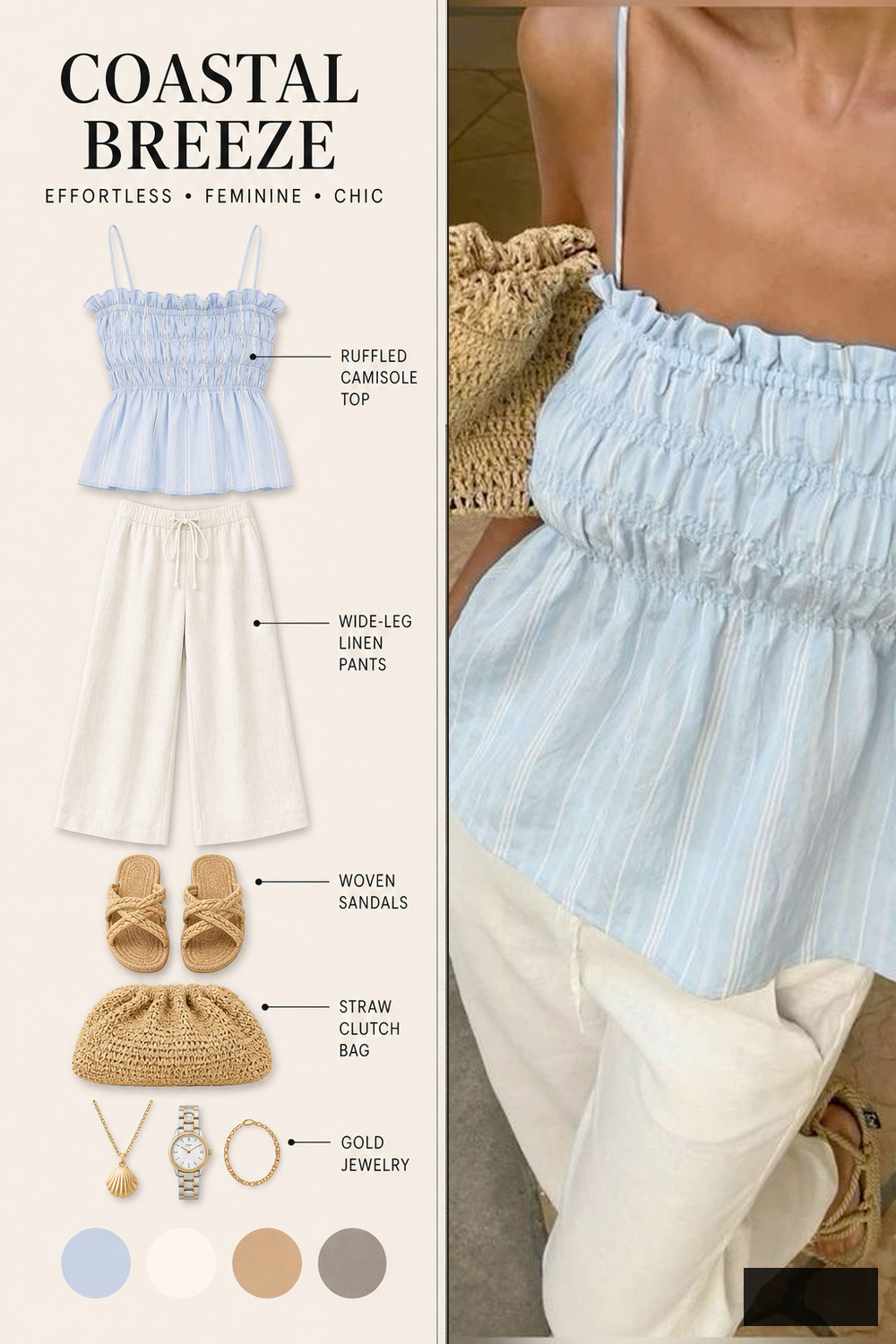
| Soft blue | Gentle pink | White | Bright daytime looks |
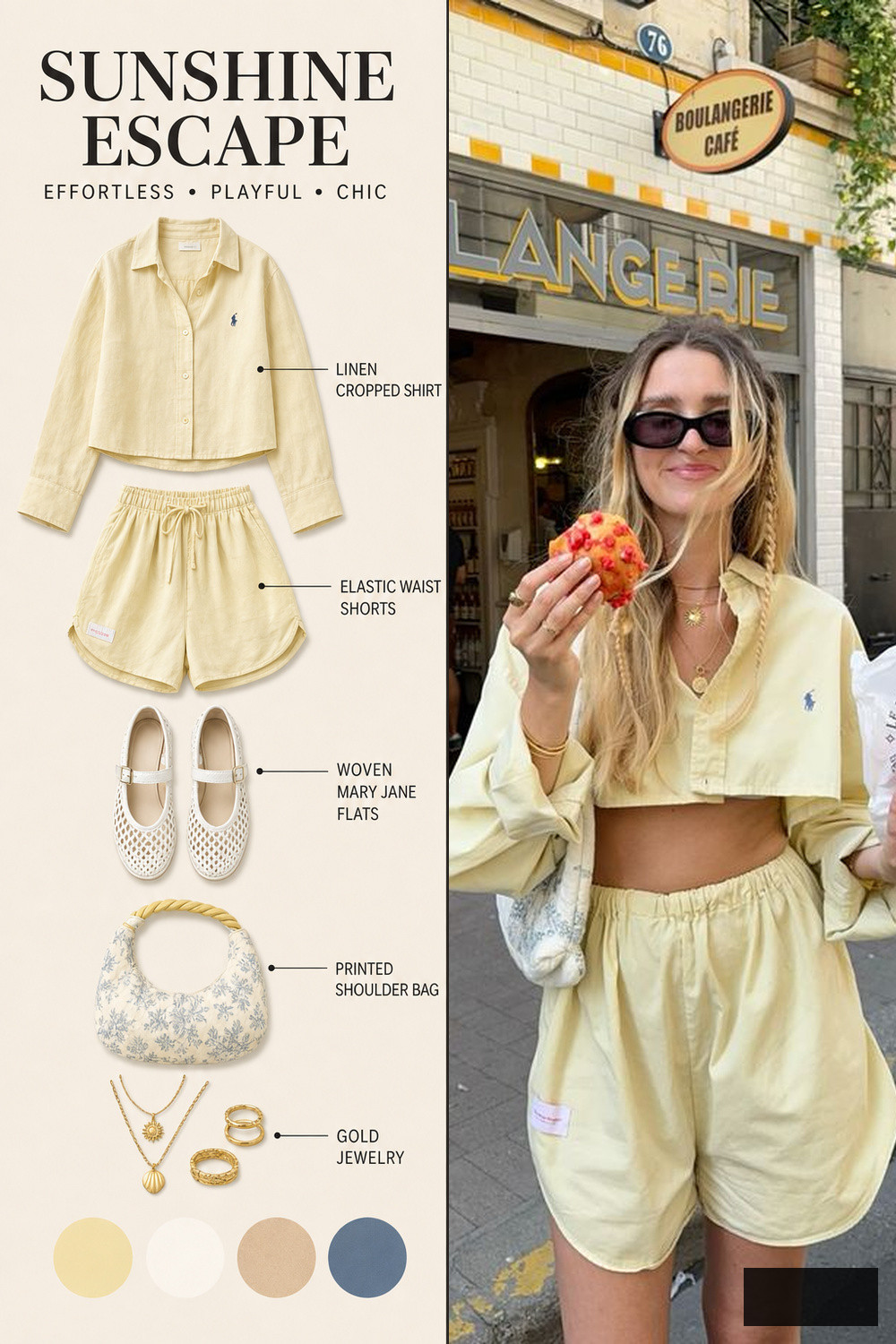
| Cream | Butter yellow | Straw or tan accessories | Gentle warm-weather outfits |
| Denim blue | Coral | Neutral sandals | Casual style without hassle |
| Mint | Lavender | White sneakers | Pastel summer outfits |
| Sky blue | Orange | White or beige | Vivid, sunny contrast |
Trending Summer Outfit Color Combinations
Summer outfits frequently lean on colors that maintain looks fresh and comfortable. Selecting the proper combination can assist in balancing brightness, minimalism, and style without becoming overwhelming.
Timeless Neutrals and Whites

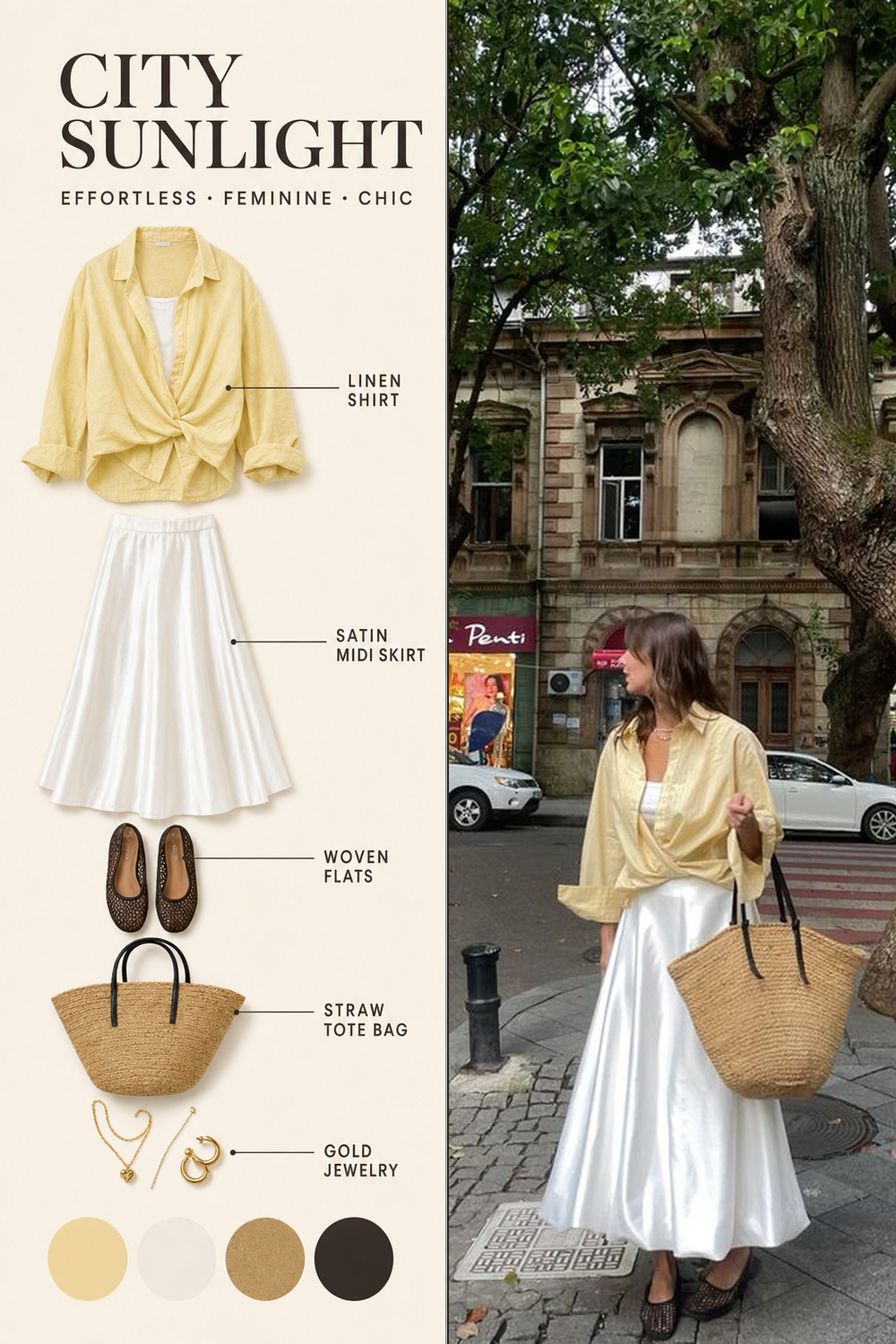
Neutrals such as beige, tan, and soft gray combine well with crisp white to craft a timeless summer appearance. This blend works for both casual and upscale occasions due to its lightness and uncomplicated feel.
White tops paired with khaki shorts or beige linen trousers are favored selections. Incorporating straightforward accessories in gold or brown embellishes the warmth without discord. This mix is suitable for warm weather as lighter shades reflect sunlight and keep the wearer comfortable.
Pastel Combinations
Pastel hues like soft pink, mint green, baby blue, and lavender create a gentle, refreshing essence in summer outfits. These tones
blend harmoniously with one another for a refined and attractive appearance that is ideal for daytime pursuits.
A soft blue shirt paired with light pink shorts or a lavender dress accented with mint accessories exudes a gentle, charming ambiance. Pastel hues are an excellent choice for individuals who desire color without excessive intensity, maintaining the ensemble understated yet fashionable.
Vivid and Vibrant Contrasts
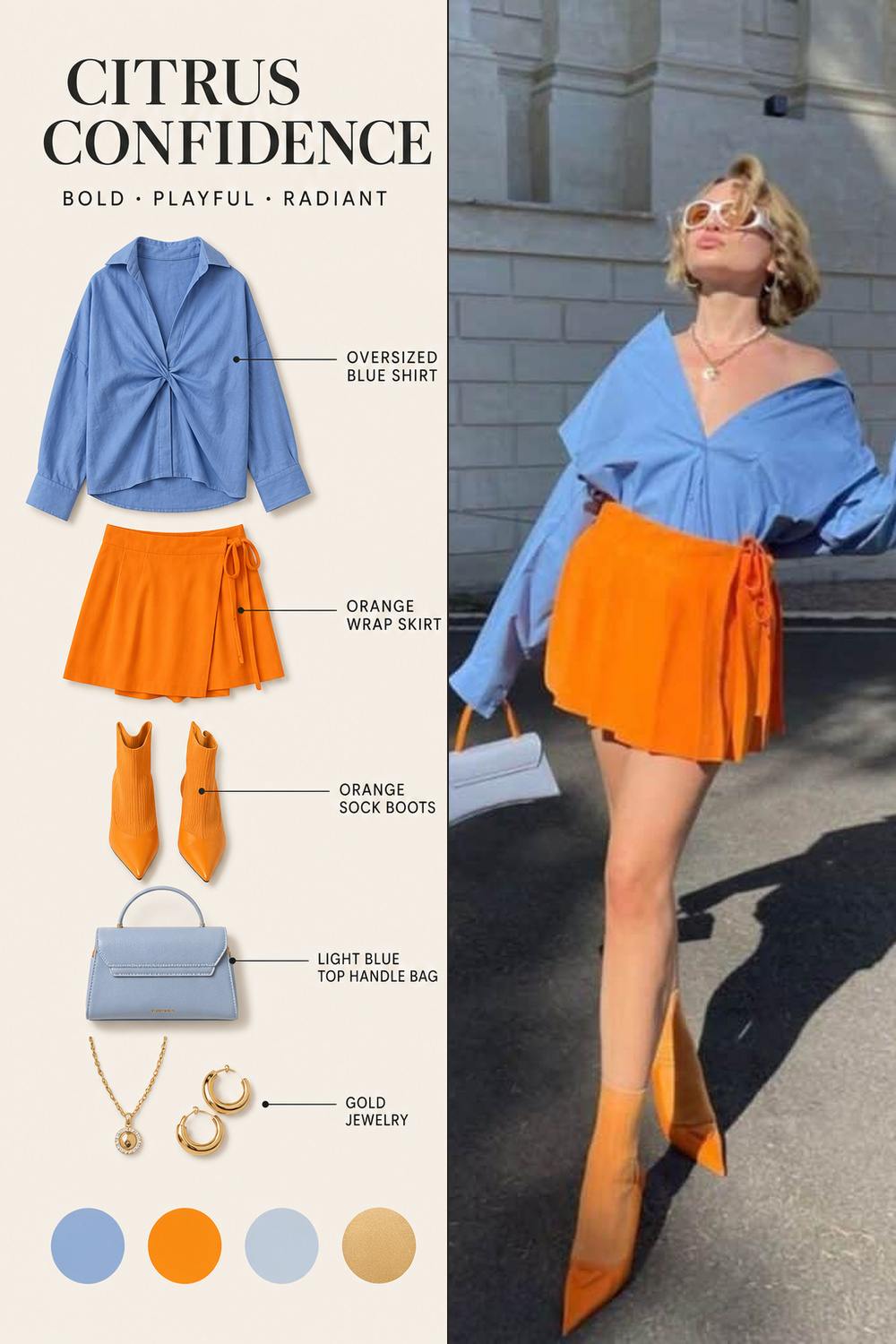
Lively shades such as red, cobalt blue, and bright yellow are ideal for those seeking to make an impression during the summer. Combining two bold colors can generate excitement and render the outfit visually captivating.
For instance, a crimson top with cobalt shorts or a yellow dress complemented by blue sandals showcases a dynamic contrast. It’s crucial to balance these shades carefully to prevent clashing; therefore, pairing one vivid hue with a slightly muted tone frequently works most effectively.
Single-Color Schemes
Monochromatic ensembles emphasize varying shades of a single color. This creates a unified and contemporary appearance without necessitating multiple tones.
During summer, light blue jeans with a navy top or soft beige trousers with a tan shirt are popular choices. This method is straightforward yet efficient, as diversifying textures and materials enhances depth, even when the color remains constant.
How to Select Colors for Summer Attire
Picking colors begins with an understanding of how they interact with skin tones and lighting. Certain shades enhance warmth or coolness, while others align more closely with informal or formal times of day.
Recognizing Undertones
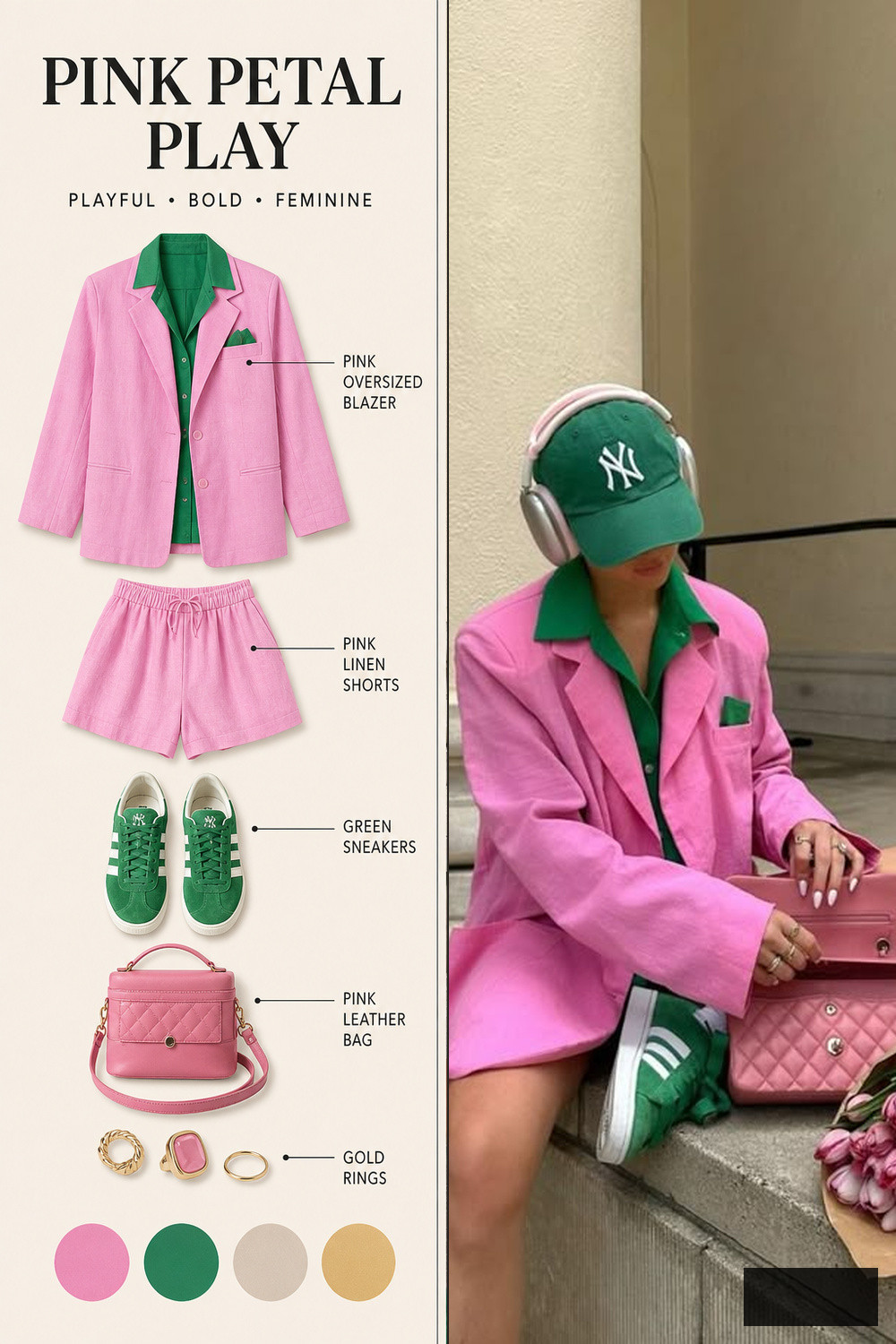
Undertones refer to the subtle hues beneath the skin’s exterior. They can be warm, cool, or neutral. Individuals with warm undertones tend to look best in colors like orange, yellow, and warm reds. Conversely, those with cool undertones are complemented by colors such as blue, green, and purple.
Understanding undertones assists in avoiding colors that might wash out the complexion. For example, if the skin has a rosy tone, cool colors such as lavender or teal can appear flattering. In cases where the skin has a golden or peachy hue, warm shades like coral or mustard tend to be more appealing.
Skin Tone Compatibility
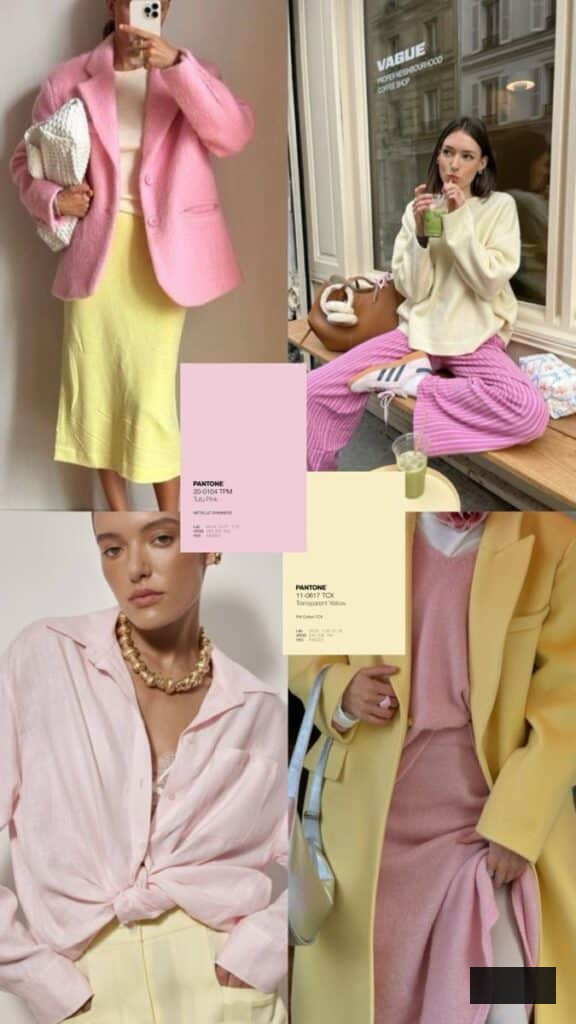
Coordinating hues with skin tones makes summer attires appear natural and vibrant. Fair skin tones blend well with gentle pastels, beige, and soft blues, steering clear of tints that are overly dark or severe. Medium skin tones are complemented by brighter shades like turquoise, tomato red, and olive green.
Deeper skin tones can embrace lively and rich shades such as royal blue, fuchsia, and gold. They should steer away from overly light tints that may wash out against their complexion. Choosing garments based on this principle fosters coherence in an ensemble.
Daytime versus Evening Selections
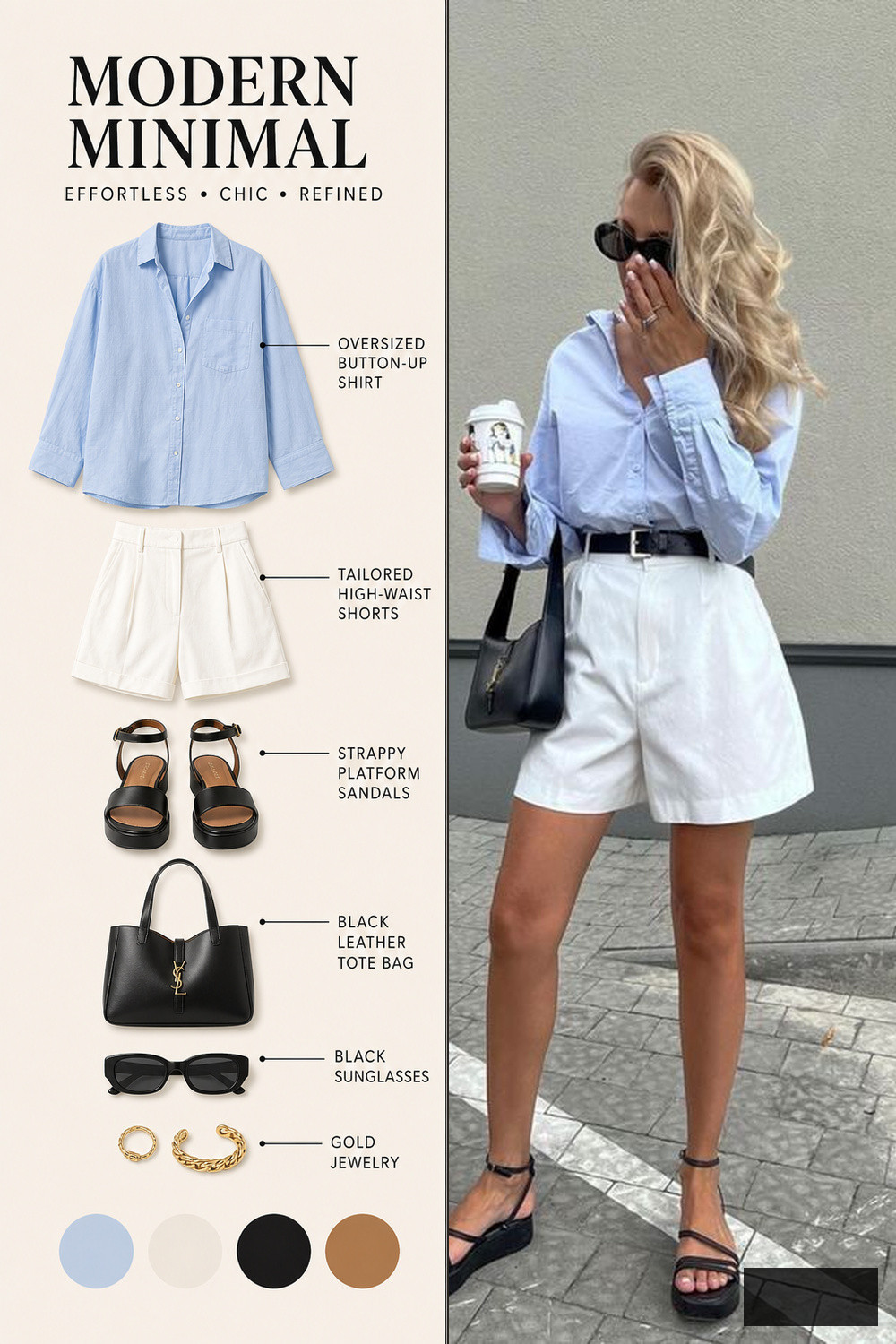
Daytime summer ensembles frequently showcase light, breezy tones. Whites, pale pinks, and soft yellows reflect sunlight, maintaining a casual appearance. These hues assist with warmth, making outfits feel more refreshing.
Evening shades usually lean towards being bolder or darker. Navy, emerald green, and deep plum give a refined impression under artificial lighting. For nighttime gatherings, these tones offer contrast and elegance without being overwhelming.
Seasonal Color Inspirations
Summer shades often draw inspiration from nature, bodies of water, and urban life. These palettes deliver freshness and flair, assisting in crafting outfits that suit various moods and environments. Color selections can span from cool blues to vibrant oranges, aligning with the essence of each locale.
Mediterranean-Inspired Hues
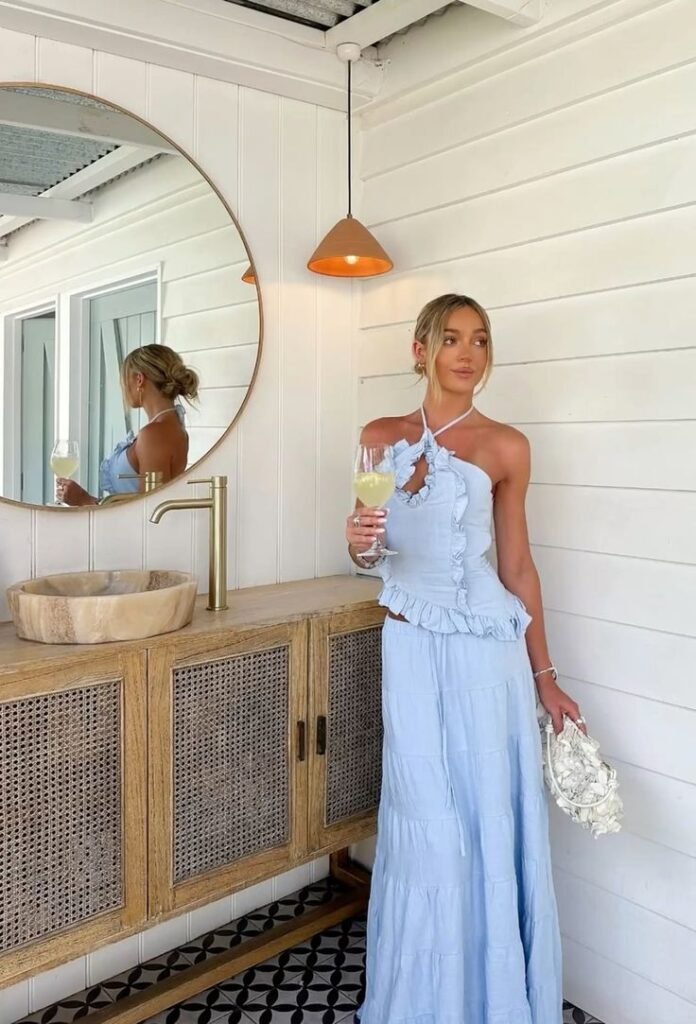
This palette emphasizes gentle blues, whites, and sandy tans. These tones evoke the clear sky, tranquil sea, and sunlit shores. It coordinates beautifully with lightweight materials such as linen and cotton for a leisurely appearance.
Notable combinations include:
- Sky blue and white: crisp and refreshing
- Terracotta and cream: warm and organic
- Olive green and beige: subtle and natural
Accents like straw hats and brown leather sandals complement these colors splendidly. This palette is ideal for informal outings or beach getaways.
Tropical and Beachy Atmosphere
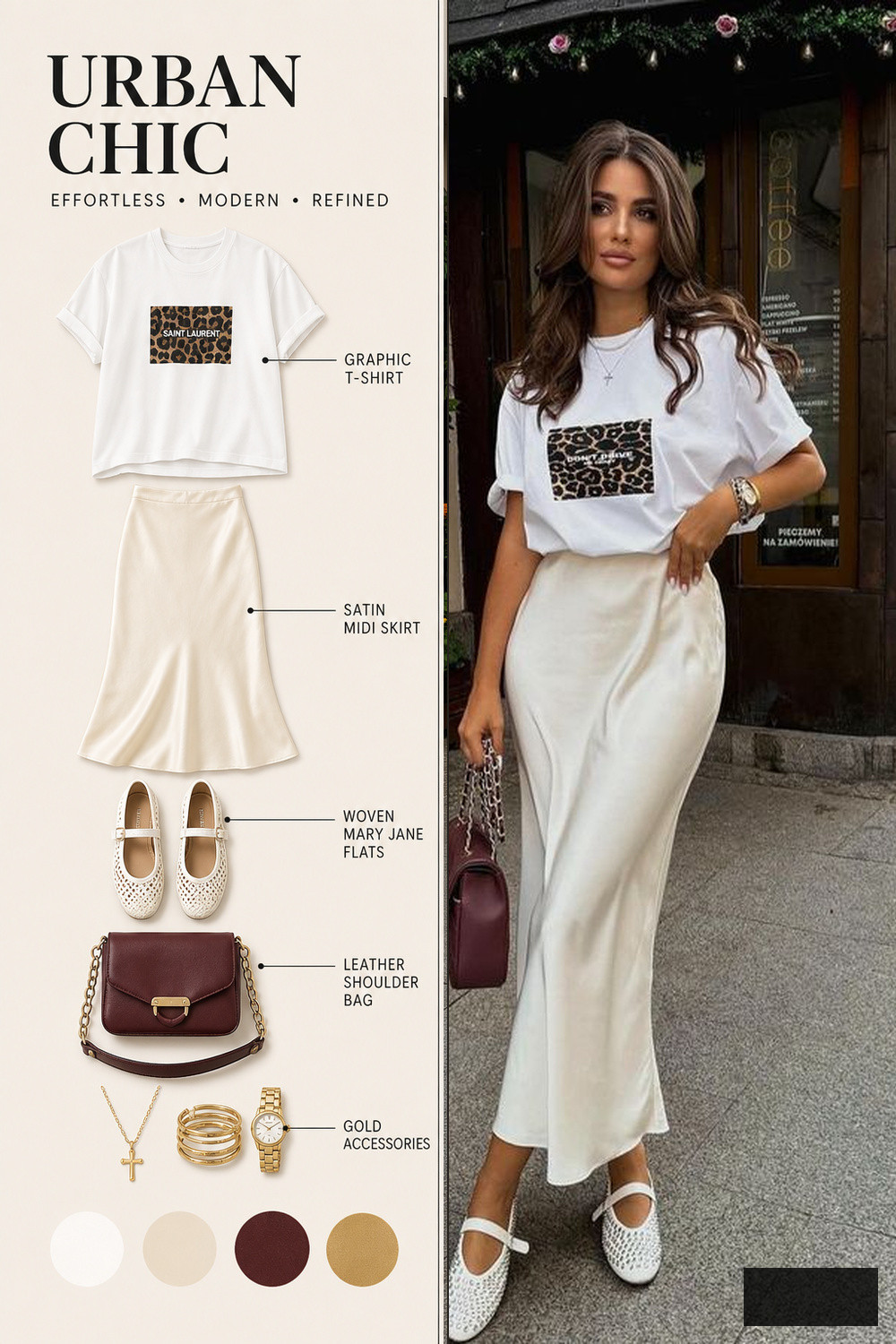
Vibrant, animated hues characterize this style. Imagine coral pink, turquoise, sunny yellow, and rich green. These colors emulate tropical blossoms, ocean waves, and palm trees.
Blending these colors can lead to dynamic, attention-grabbing outfits:
- Coral paired with turquoise for a striking contrast
- Coupled with green for a revitalizing appearance
- Vibrant blue paired with white for harmony
Lightweight, airy materials aid in maintaining comfort during warm weather. Accessories such as shell jewelry and woven bags enhance the tropical atmosphere.
Metropolitan Summer Attire
City summer style frequently blends neutral shades with striking bursts of color. Grays, blacks, and whites establish the foundation, while tones such as electric blue, red, or neon green infuse vibrancy.
Common combinations include:
- Black and electric blue for a contemporary flair
- White and neon green for a high-contrast aesthetic
- Gray with red accents for understated boldness
Urban aesthetics utilize structured materials and precise lines. Sneakers, sunglasses, and minimalistic jewelry finalize the ensemble.
Effectively Blending Patterns and Colors
Combining patterns with colors can yield striking outfits when executed correctly. Employing solid hues helps balance intricate designs, while vivid patterns necessitate meticulous pairing to prevent dissonance. Accents can introduce depth without overpowering the appearance.
Mixing Prints with Solids
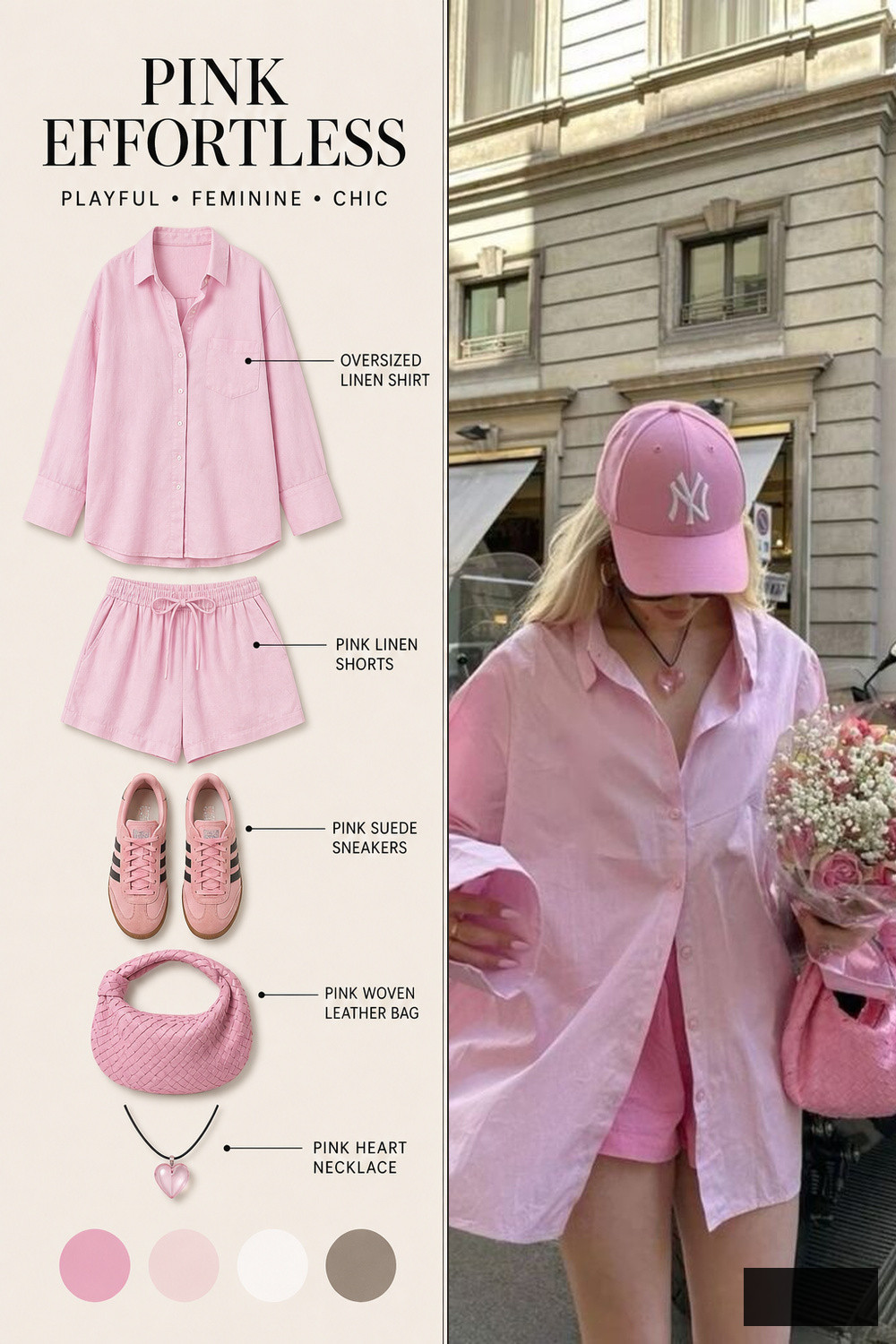
Combining prints with solid hues is an effective means to prevent an outfit from appearing excessive. For instance, a floral blouse pairs well with plain shorts or trousers in one of the shades present in the design. This achieves a harmonious appearance without making the ensemble overly elaborate.
When selecting solid pieces, opt for neutral shades like white, beige, or black if the print is vibrant. For softer designs, coordinating with one of the lighter tones in the pattern contributes to a seamless look. This strategy works excellently in summer to maintain a fresh and balanced aesthetic.
Harmonizing Bold Patterns
Vivid patterns such as stripes, polka dots, or animal prints require thoughtful balancing. Refrain from donning two bold patterns simultaneously unless one is exceptionally subtle or significantly smaller in size. For example, combining a large striped top with small polka dot shorts can work if the hues complement each other.
Utilizing one bold pattern and mixing it with neutral solids decreases visual confusion. If both the pattern and hue are assertive, the overall appearance might come across as too loud. Starting with a single striking piece and developing the outfit around it is a more prudent method.
Accessorizing with Layers
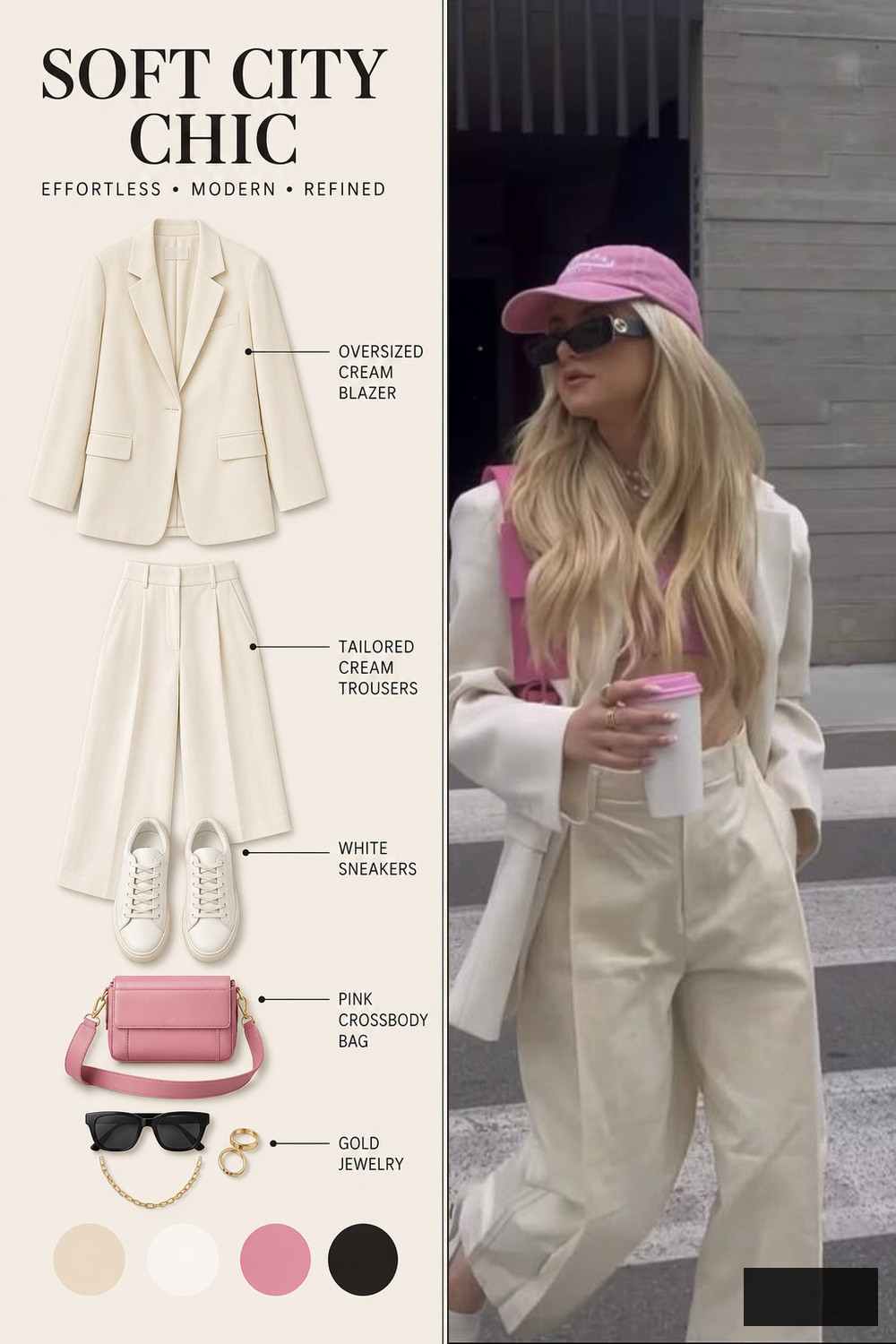
Accessories are excellent for blending hues and patterns without danger. Solid-colored bags, hats, or shoes can soften a vibrant outfit. Opting for accessories in shades that appear within the clothing’s pattern unifies the look.
Layering light scarves or understated jewelry enhances detail without overwhelming the eye. Accessories ought to enrich, not overshadow, the primary clothing items to uphold harmony in summer ensembles.
Color Pairings for Varied Occasions
Various occasions necessitate particular color selections to suit the environment and atmosphere. Understanding which hues are optimal for casual, professional, or evening attire aids in crafting a refined appearance.
Casual Day Attire
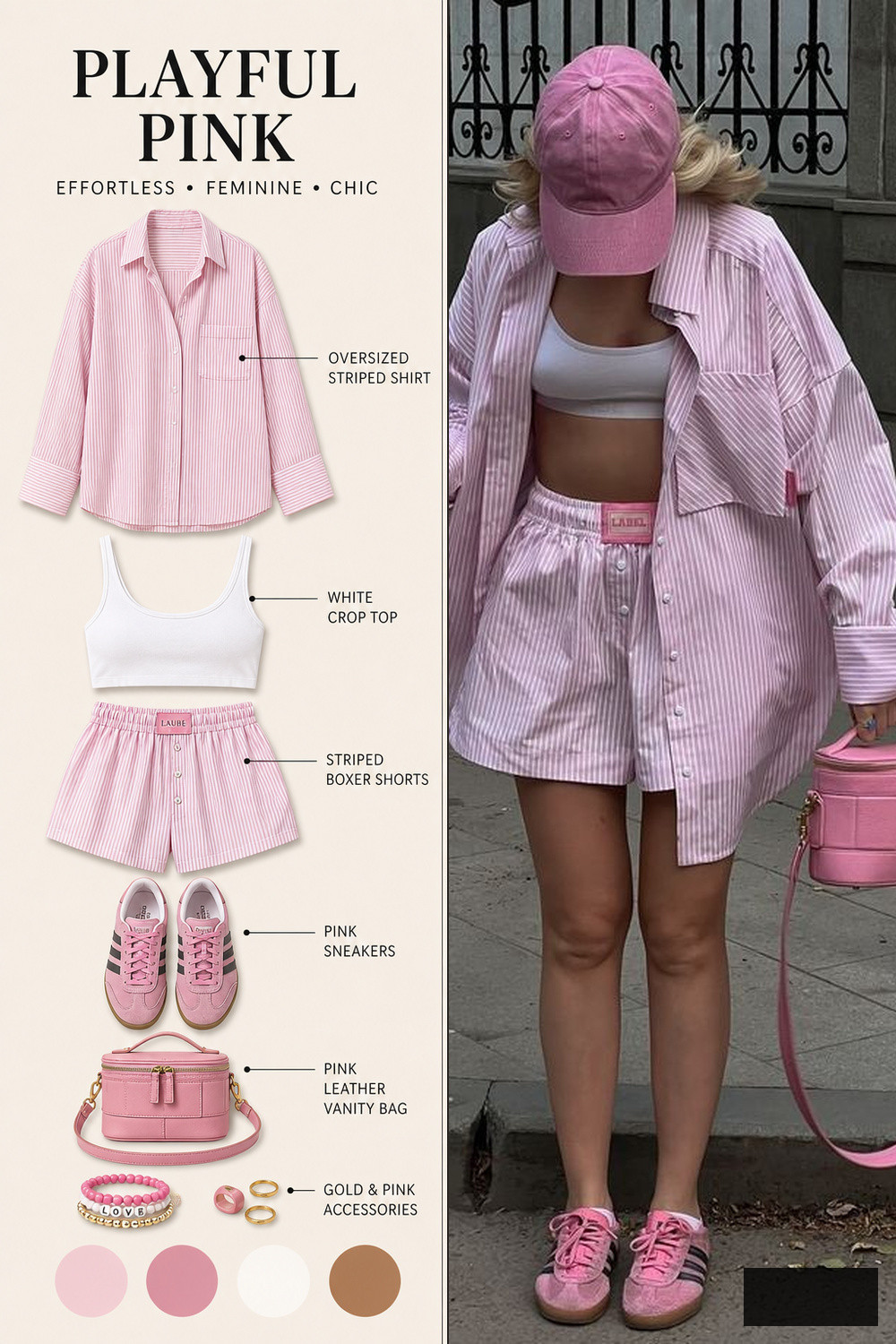
Casual ensembles frequently allow greater flexibility with colors. Light, fresh tones like white, pastel blue, or soft pink perform excellently on warm days. Earthy shades like tan, olive, and light brown also suit casual environments.
Combining a pale yellow t-shirt with denim shorts creates a relaxed, vibrant appearance. Introducing accessories in harmonizing colors, such as a navy cap or white sneakers, can create equilibrium in the outfit.
Vivid shades like coral or turquoise inject vitality but should be paired with neutral bottoms to prevent clashing.
Professional Attire
Work attire colors typically appear more subdued and professional. Navy, gray, beige, and white are reliable selections. These shades project seriousness and are simple to coordinate.
A navy blazer paired with a light gray shirt forms a timeless combination. Soft blue shirts with dark trousers also present a neat look without being overly dramatic.
For a hint of color, muted jewel tones like deep green or burgundy can be effective yet should be utilized sparingly.
Evening and Celebration Attire
Evening ensembles permit richer, darker shades and striking contrasts. Black is a common foundation, paired with metallics like gold or silver for a striking aesthetic.
Deep reds, purples, and emerald greens are traditional selections for more formal events. Combining a dark gown with a vibrant clutch or footwear creates visual allure.
Merging materials, such as matte textiles with glossy embellishments, enriches the palette options in this environment.
Eco-Conscious and Sustainable Color Selections
Selecting colors for summer ensembles can also involve considering the planet. Sustainable fashion frequently employs natural dyes derived from plants, fruits, and minerals. These natural dyes are less damaging to the environment than synthetic alternatives.
Some favored eco-friendly shades include earth tones such as olive green, mustard yellow, and rust orange. These hues originate from easily renewable materials and require minimal water during production.
Natural white and beige tones are also prevalent in eco-conscious fashion. They utilize fewer chemicals as the fabric can remain undyed or undergo minimal processing.
Here are a few examples of sustainable color selections:
| Color | Source | Benefits |
|---|---|---|
| Olive Green | Plants (e.g., spinach, algae) | Renewable, low water usage |
| Mustard Yellow | Turmeric, marigold flowers | Biodegradable, natural |
| Rust Orange | Iron oxide minerals | Durable, non-toxic |
| Natural White | Undyed cotton or linen | Minimizes chemical dye usage |
Sustainable brands frequently emphasize shades that mimic nature. These tones harmonize well with timeless summer aesthetics and are less likely to become outdated.
By opting for these hues, individuals can champion apparel that is both fashionable and more beneficial for the environment. This assists in reducing pollution and conserving resources during the manufacturing phase.
Advice for Preserving Bright Colors in Summer Attire
They should launder vibrant garments in cold water to prevent color fading. Hot water can cause colors to bleed and become less vibrant more quickly.
Utilizing a mild detergent aids in safeguarding the fabric’s hue. Powerful detergents could degrade the dye and result in dullness.
It is advisable to invert clothes prior to washing. This minimizes friction on the exterior, which helps maintain the colors’ brightness.
Drying garments out of direct sunlight protects against fading. Sunlight can damage color molecules, leading to a worn appearance.
Refrain from using bleach or harsh stain removers on colored garments. These substances can strip colors and compromise fabric strength.
They can keep summer wear in a cool, dark environment. Steer clear of humid areas to avert mold and color fading.
Employing a color-safe fabric softener can assist in preserving brightness. It also enhances the softness and freshness of fabric.
Here’s a concise care checklist:
| Action | Effect |
|---|---|
| Wash in cold water | Averts fading |
| Use mild detergent | Safeguards dye |
| Turn inside out | Minimizes color wear |
| Dry in shade | Slows sun-related fading |
| Avoid bleach | Maintains color and fabric integrity |
| Store in cool, dry location | Protects fabric and hue |
| Use color-safe softener | Aids in color retention |
Summer
outfit color combinations FAQ
What are the top summer outfit color combinations?
A: The simplest summer outfit color combinations include white paired with beige, pastel blue combined with soft pink, yellow alongside cream, coral with denim, mint paired with lavender, and orange with blue. Begin with a single muted base color, then incorporate either a pastel or a vibrant accent. This approach maintains a seasonal vibe without allowing each piece to overshadow the others.
How do you select summer outfit colors based on your skin tone?
A: Begin with your undertone as a guide and then adapt with contrast. Individuals with warm undertones typically look great in cream, coral, peach, olive, and golden yellow. Those with cool undertones generally suit white, blue, lavender, mint, and soft pink. If a hue feels overly intense near your face, consider placing it on shoes, a purse, or a skirt instead.
What colors enhance the polished look of a summer outfit?
A: White, cream, beige, light blue, soft gray, and tan often give a polished appearance to summer outfits as they allow for texture and form. Introduce a single accent, such as coral, red, butter yellow, or cobalt blue. The ensemble feels more intentional when the accent is featured once or twice rather than everywhere.
Can one wear dark hues in summer outfits?
A: Absolutely, but pair dark hues with lighter fabrics and sufficient contrast. Black linen shorts, a navy tank, or a chocolate brown bag can be appropriate for summer if the rest of the ensemble includes white, cream, denim, or a vibrant accent. Heavy dark layers can appear too wintry, so opt for an open and breathable silhouette.
Which summer outfit colors are ideal for beach styles?
A: Beach outfits generally thrive in hues like white, sand, sky blue, aqua, coral, lemon yellow, and soft green. These shades resonate with water, sunshine, and natural textures, providing a relaxed feel with minimal styling. For a straightforward formula, team a white or beige base with one ocean color and one warm accent.
How do you blend prints with summer colors?
A: Allow the print to dictate the color scheme. Choose one shade from the print and repeat it in a solid item, keeping the other piece neutral. A floral skirt paired with a white tank, a striped shirt combined with denim shorts, or printed pants along with a cream top will look neater than mixing multiple vibrant pieces all at once.
Are pastel hues suitable for summer outfits?
A: Pastel hues are wonderful for summer outfits as they appear light under bright sunlight and blend effortlessly with white, denim, beige, and one another. Colors like pastel blue, mint, lavender, pale yellow, and soft pink are particularly beneficial. If the outfit feels overly sweet, incorporate a sharper accessory such as tan leather, black sunglasses, or pristine white sneakers.